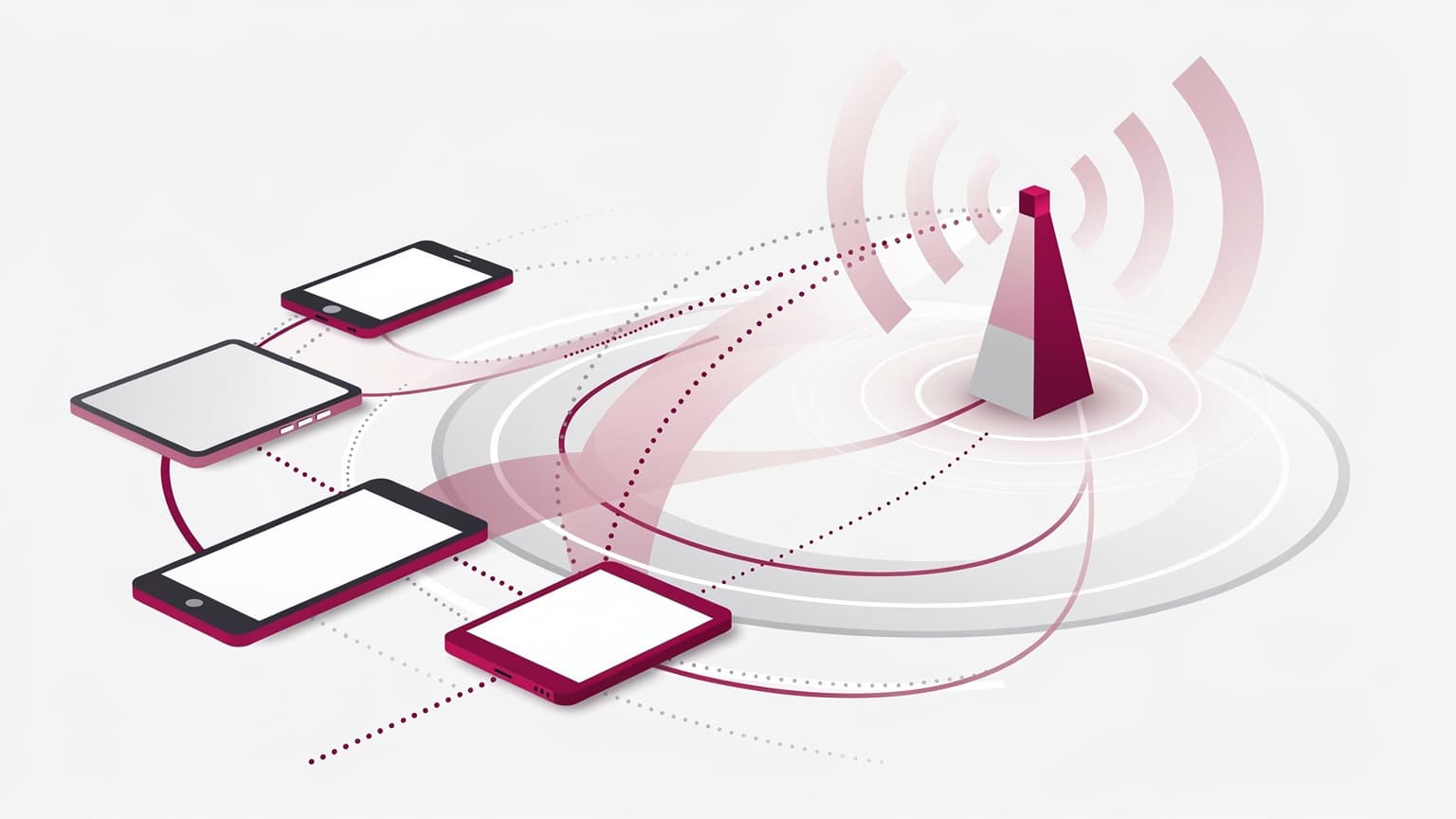
The core choice boils down to convenience versus cost per gigabyte, and often, flexibility. Let's break down the realities of data passes versus travel eSIMs, comparing them feature by feature to help you make an informed decision for your next journey.
What Exactly is a Data Pass?
A data pass is essentially an add-on from your existing mobile carrier, like T-Mobile or Visible, that allows you to use your phone's data, calls, and texts while abroad. It's designed for simplicity: you activate it, and your phone 'just works' in most major destinations. Many carriers offer daily passes, weekly bundles, or even monthly plans that include a set amount of international roaming data. For example, a common offering might be a 'Global Pass' that gives you 1GB of high-speed data for a certain number of days, after which speeds throttle or you pay per MB.
The primary draw here is convenience. You don't need a new SIM card, you keep your original phone number, and billing is consolidated with your existing monthly statement. For someone making a quick business trip to Frankfurt's financial district or a short weekend in London, this can seem like a straightforward option. However, that convenience often comes with a hefty price tag per gigabyte, especially if you're a heavy data user. I've often seen these passes priced in a way that makes a few days of moderate usage quickly exceed the cost of a full month of local data. It's a classic example of paying for peace of mind, sometimes at a premium.
The Appeal of a Travel eSIM
Now, let's talk about the travel eSIM. For the uninitiated, an eSIM is a digital SIM card that's embedded directly into your phone. Instead of swapping physical plastic, you simply download a profile to your device. This technology has been a quiet revolution for travelers, particularly those who remember the days of hunting for SIM kiosks at Heathrow or Narita Airport, trying to decipher local tariffs in a foreign language. With an eSIM, you can buy a data plan for a specific country or region before you even leave home.
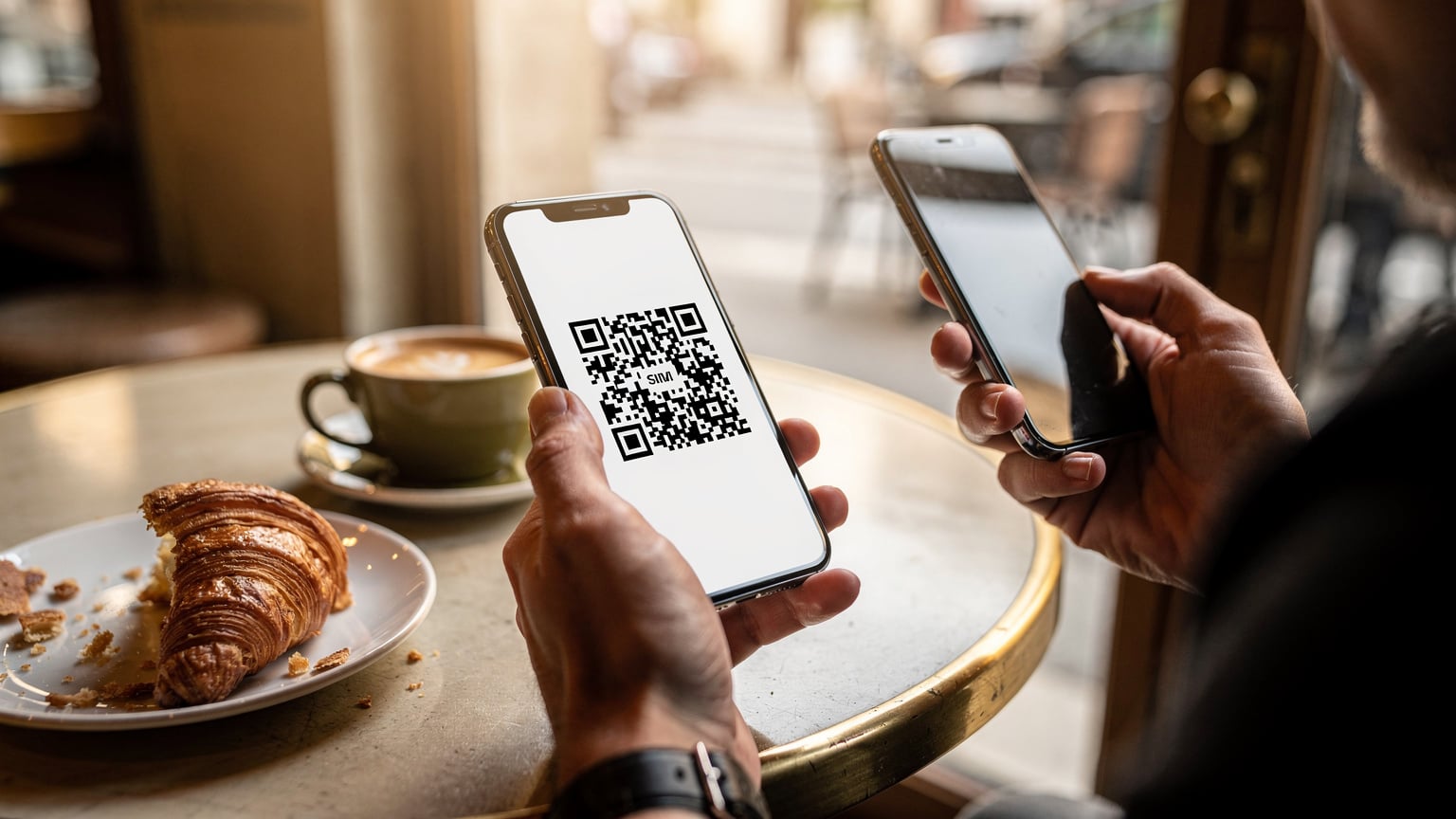
The benefits are considerable: competitive pricing, flexibility in choosing local networks, and the ability to maintain your primary number for calls and texts while using the eSIM for data. This means you can still get that important text from home (perhaps about eSIM SMS for texts and streaming) while navigating with Google Maps using your travel eSIM data. The setup is usually quick, involving scanning a QR code or entering a few details, making it incredibly user-friendly for anyone with a compatible phone. For instance, if you're heading to Greece, a Cosmote eSIM can be activated in minutes, giving you local rates without the hassle.
Cost Per Gigabyte: The True Metric
When comparing data passes and travel eSIMs, the real test of value isn't the headline price, but the cost per gigabyte (GB). This is where the budget traveler's keen eye truly matters. Data passes from major carriers, while convenient, often come with a significantly higher price per GB. You might pay, say, $10-15 for a daily pass that includes a limited amount of high-speed data, with subsequent usage either billed at exorbitant rates or throttled to barely usable speeds. Over a week-long trip, this quickly adds up.
Travel eSIMs, on the other hand, are typically priced much more aggressively per GB. You can often find plans with multiple gigabytes of data for a fraction of what a carrier pass would cost for the same amount. For example, a 5GB plan for Europe valid for 30 days might be less than two days of a typical carrier's international data pass. This difference becomes even more pronounced for longer trips or for those who rely heavily on data for navigation, streaming, or keeping up with work emails.
Let's look at a hypothetical comparison for a trip to Italy:
| Feature | Carrier Data Pass (Example) | Travel eSIM (Example) |
|---|---|---|
| Provider | Your Home Carrier | Cellesim |
| Cost for 5GB | $70 (approx. 7 daily passes @ $10/day for 1GB each) | $15-25 (typical 5GB/30-day plan) |
| Validity Period | Daily or limited duration | 7 to 30+ days |
| Price per GB | $10-15 | $3-5 |
| Number of Countries | Often global or regional | Single country, regional, or global |
| New Phone Number | No, keep existing | No, data only (primary number for calls/texts) |
As you can see, the per-GB cost is a significant differentiator. While a data pass offers the familiarity of your home carrier, the financial impact for anything more than minimal usage quickly tilts the scales towards a travel eSIM. This is crucial for students or backpackers who are counting every euro in places like the Trastevere district of Rome.
Coverage and Network Reliability
Another important consideration is the actual network you'll be connecting to. Data passes typically roam on partner networks selected by your home carrier. While these are usually established operators, the choice isn't yours. This can sometimes lead to suboptimal coverage in specific areas, or slower speeds if your carrier's roaming agreement prioritizes a secondary network.
With a travel eSIM, particularly those from providers like Cellesim, you often get access to multiple local networks within a country. This flexibility means your phone can connect to the strongest available signal, potentially giving you better coverage in rural areas or more consistent speeds in bustling urban centers. For instance, in Turkey, a Turkcell eSIM for tourists would connect directly to one of Turkey's primary networks, ensuring robust coverage whether you're in Istanbul's Sultanahmet or exploring Cappadocia.
I've personally found this invaluable. Once, while trying to hail a taxi through an app in a less-trafficked part of Lisbon's Alfama district, my carrier's roaming partner struggled with signal. Switching to a travel eSIM that could connect to a different local network solved the problem instantly. It's that kind of on-the-ground flexibility that can save you time and frustration, especially when you're trying to navigate public transport like the ATM metro in Milan or the BVG in Berlin.
Flexibility and Control
This is where travel eSIMs truly shine. With a data pass, you're largely at the mercy of your home carrier's terms. Exceed your data limit, and you might face exorbitant overage charges or frustratingly slow speeds until your next billing cycle or pass purchase. There's often little transparency about how much data you've actually used in real-time, making it easy to accidentally deplete your allowance.
Travel eSIMs offer far greater control. You can monitor your data usage directly within your phone's settings or through the eSIM provider's app. When you're running low, topping up is usually a straightforward process, letting you purchase additional data as needed, often at the same competitive rates. This prevents unexpected charges and gives you peace of mind. Moreover, if your travel plans change and you decide to hop over to another country, you can often purchase another eSIM plan for that new destination without affecting your primary service. This level of granular control over your connectivity budget and usage is a game-changer for extended trips or multi-country itineraries.

Who Should Choose Which?
Deciding between a data pass and a travel eSIM really comes down to your specific travel habits and priorities. There's no one-size-fits-all answer, but here's a breakdown:
The Data Pass is for You If:
- You're a very light data user: If you only need occasional WhatsApp messages or a quick map check, and your trip is short (1-3 days), the convenience might outweigh the cost.
- You prioritize your existing phone number above all else: While eSIMs let you keep your primary number active for calls/texts, some prefer the seamlessness of having everything on one plan without switching data lines.
- Your home carrier offers an unusually generous international plan: Some premium plans now include better roaming, but always check the fine print for data caps and speed throttling.
- You're traveling to a very remote location: In rare cases, your carrier's roaming partner might have a unique agreement in an obscure area where general travel eSIMs haven't yet penetrated. (Though this is increasingly rare in 2026.)
For most travelers, especially those planning trips of a week or more, a data pass just won't cut it from a cost perspective. The hidden costs and limitations often become apparent only once you're on the road and realize you're burning through data at an alarming rate.
A Travel eSIM is Your Best Bet If:
- You're a budget-conscious traveler: The cost per GB is almost always significantly lower with an eSIM. This is vital for students, backpackers, or anyone who just hates overpaying for data.
- You need reliable data for navigation, communication, and planning: If you're using apps like Citymapper for the MTA in New York or checking opening times for the Louvre, consistent data is non-negotiable.
- You're traveling for more than a few days: The longer your trip, the more a travel eSIM saves you money.
- You want flexibility: Easily switch plans, top up data, and manage your usage without hassle.
- You want to avoid bill shock: Transparent pricing and control over usage mean no surprise charges when you get home.
- You have a compatible device: Most modern smartphones support eSIM technology. Double-check your device's compatibility if you're unsure.
For instance, if you're looking for global coverage or need data for multiple countries, Cellesim offers a variety of regional and global eSIM plans that can be much more cost-effective than piecing together individual carrier passes. Explore options for your next adventure at Cellesim's eSIM country pages.
My Recommendation for 2026 Travel
Having navigated the connectivity maze in eighty-plus countries, from the bustling train platforms of the JR East in Tokyo to the quiet canals of Venice, my recommendation for 2026 is clear: opt for a travel eSIM. The cost savings, coupled with the flexibility and control it offers, simply make it the smarter choice for the vast majority of international travelers.
While the convenience of a data pass can be tempting, particularly for very short trips or those who don't mind paying a premium, the long-term cost implications are undeniable. The peace of mind that comes from knowing your data costs are predictable, and that you can easily top up if needed, far outweighs the minimal effort of setting up an eSIM.
The only downside I've consistently encountered with travel eSIMs is the initial setup for those completely unfamiliar with the technology. It's a minor hurdle, often just a few taps and a QR scan, but it's a step some might initially find daunting. However, once you've done it once, it becomes second nature. For comprehensive advice on troubleshooting, a visit to the Cellesim FAQ page can address common concerns.
In an era where staying connected is essential for everything from navigating local neighborhoods to sharing your experiences with loved ones, making an informed choice about your data plan is as crucial as picking the right backpack or booking your flights. Choose the travel eSIM, and you'll find yourself with more money in your pocket for that extra gelato in Florence or a souvenir from a local market in Chiang Mai.
Frequently Asked Questions
What is the main difference in cost between a data pass and a travel eSIM in 2026?
In 2026, the main cost difference lies in the price per gigabyte. Travel eSIMs are typically significantly cheaper per GB, often costing $3-5 per GB compared to $10-15 per GB or more for carrier data passes. This becomes especially noticeable on longer trips.
Can I keep my original phone number if I use a travel eSIM?
Yes, you can absolutely keep your original phone number. When you use a travel eSIM for data, your primary SIM (which holds your original number) can remain active for calls and texts. You simply set your eSIM as the preferred line for mobile data in your phone's settings.
Do data passes offer better coverage than travel eSIMs?
Not necessarily. While data passes rely on your home carrier's roaming partners, travel eSIMs often provide access to multiple local networks within a country. This can lead to more flexible and potentially stronger coverage, as your device can connect to the best available signal.
Is it difficult to install a travel eSIM?
No, installing a travel eSIM is generally straightforward. Most eSIMs are activated by scanning a QR code provided by the eSIM vendor, or by manually entering a few details into your phone's settings. The process typically takes only a few minutes and is much simpler than swapping physical SIM cards.
What happens if I run out of data on a data pass versus an eSIM?
If you run out of data on a carrier data pass, you might incur high overage charges, or your speeds could be severely throttled, making internet use difficult. With a travel eSIM, you typically have more control; you can monitor your usage and easily purchase a top-up package to add more data as needed, usually at the same competitive rates.
Are there any situations where a carrier data pass is preferable?
A carrier data pass might be preferable for very short trips (1-3 days) where data usage is minimal, or if your home carrier has an unusually generous international roaming plan already included. It also offers the most seamless experience if you absolutely do not want to change any phone settings or consider a secondary data line.