The Roaming Nightmare: A Trip Down Memory Lane
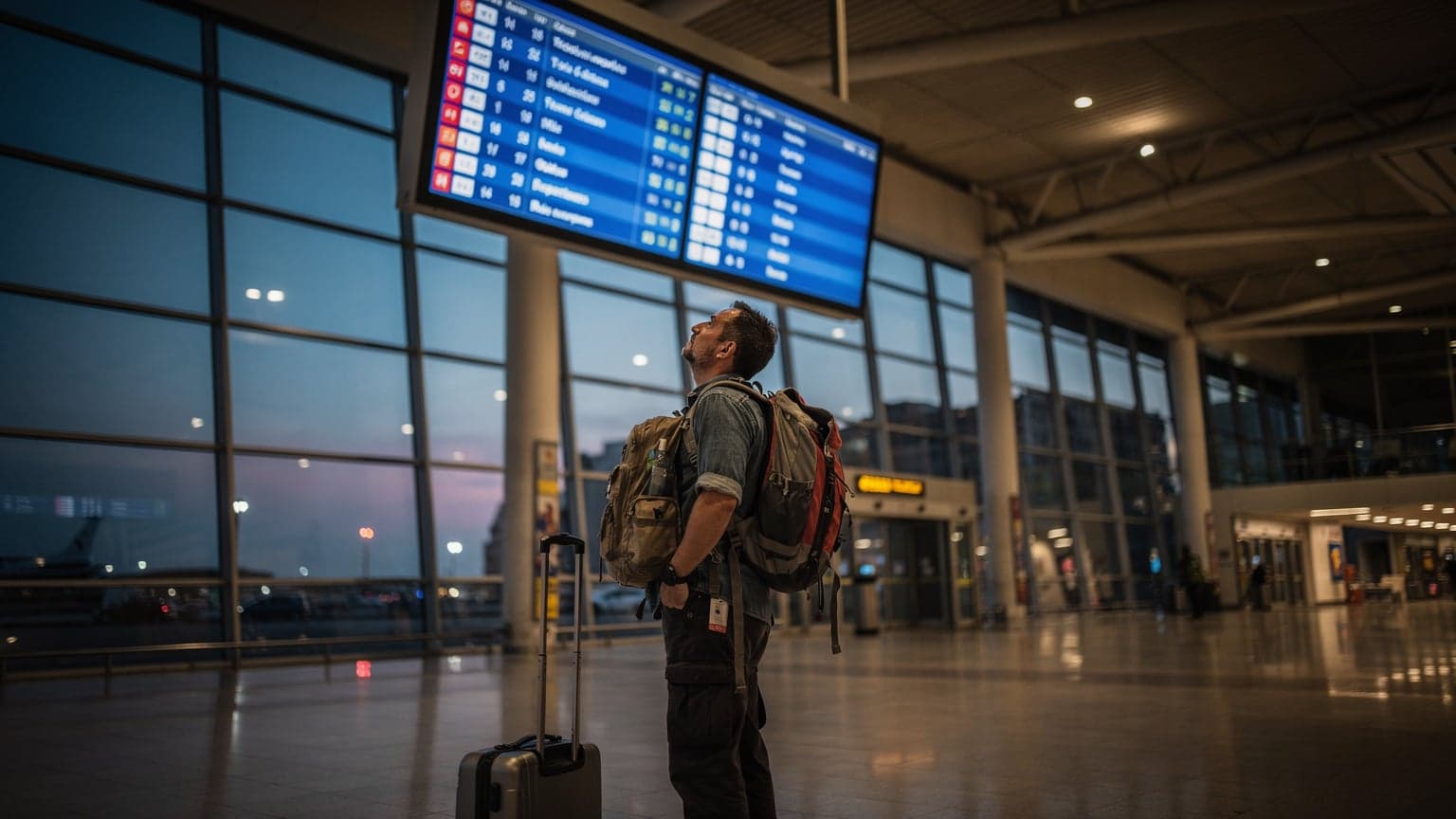
I still remember landing in Helsinki Vantaa back in '08, tired from a red-eye flight from Heathrow, all set to explore the Design District. My old Nokia brick, which was a real tank of a phone, had been set to international roaming by my UK carrier, O2. "Great," I thought, "I'm connected." What I didn't expect was the phone bill that showed up a month later. It was a truly shocking amount, making the price of a beer near the Kiasma museum seem cheap. That was my harsh introduction to the hidden costs of convenience, a lesson many of us learned the hard way before the digital age really took off.
For years, this was the big problem for travelers. You either paid up for your home carrier's international plan, which often had confusing zone pricing and data limits that felt more like suggestions, or you had to track down a local SIM card. That usually meant waiting in line at some small phone shop in a hard-to-find corner of a city, trying to explain in broken English that you needed "data, please." The patient vendor would try to understand your requests. I've spent plenty of time in these shops, from the busy P.C. Hooftstraat in Amsterdam to a tiny kiosk in Kyoto Station, trying to register a new number only to find out my passport wasn't enough ID for their local rules. Remember the sheer panic of needing a local phone number for a taxi app in Bogotá, or to confirm a reservation for that amazing, tiny ramen place in Tokyo's Shinjuku Gyoen, only to get a "roaming data unavailable" message? That's the stuff of travel nightmares, and honestly, I'm happy to leave it all behind.
The Hidden Costs of Convenience
International roaming promised simplicity, but it rarely delivered. Beyond the per-MB charges, which were often crazy expensive, there were activation fees, daily access charges, and those dreaded "data bundles" that either expired too fast or didn't offer enough data. It felt like buying a bottle of water at the airport, only to discover it cost more than your flight. The convenience was an illusion, hiding a huge price tag that often caught travelers completely off guard.
| Feature | Traditional International Plan | eSIM (via Cellesim) |
|---|---|---|
| Cost Structure | High per-MB rates, daily fees, expensive bundles. | Pay-as-you-go, competitive local rates, no hidden fees. |
| Activation | Often automatic, but can require calling home carrier. | Instant QR scan or manual setup, pre-purchase possible. |
| Flexibility | Limited plan options, tied to home carrier. | Wide range of plans, multiple eSIMs on one device. |
| Physical SIM Required | Yes, often needs swapping or remains in device. | No, fully digital. |
| Coverage | Dependent on roaming agreements, can be spotty. | Utilizes local networks, typically strong and reliable. |
The Hassle of Physical SIMs: A Relic of the Past
Aside from the cost, there was the pure physical annoyance. Fumbling with tiny SIM ejector tools on a cramped airplane, trying to keep track of your home SIM so it didn't disappear in a hostel dorm room in Barcelona's Gràcia district. Or, even worse, needing to keep your home SIM active for verification codes, which meant constantly swapping cards, missing calls, or wrestling with a dual-SIM phone that was more confusing than helpful. I once missed an important two-factor authentication code for my bank, stuck in a remote part of Patagonia, because my home SIM was sitting safely in a small plastic bag in my main luggage. It was a rookie mistake, but it really showed how fragile it was to rely on one tiny piece of plastic.
eSIMs: The New Normal for Global Connectivity
Now, fast forward to 2026, and things have completely changed. eSIMs aren't just for tech geeks anymore; they're the standard for smart travelers. This shift is so big that newer phones, like the iPhone 17 and Pixel 9, are increasingly ditching the physical SIM tray altogether and going eSIM-only. It really shows how smoothly this technology has fit into our travel routines. For example, if you're heading through Germany, you don't need to hunt for a physical Telekom or Vodafone SIM. You can activate an eSIM for Germany before you even leave your couch.
What Exactly Is an eSIM?
Think of an eSIM as a digital SIM card built right into your phone. No more physical swapping, no more tiny plastic. It's a programmable chip that lets you download and activate cell plans from different carriers, all without ever opening your phone's SIM tray. It's like having a universal SIM card that can be instantly reprogrammed for whatever country you're in, whenever you need it.
I clearly remember the first time I used an eSIM. I landed at Narita International Airport. Instead of looking for a tourist SIM vending machine or a Docomo shop, I just scanned a QR code from my Cellesim confirmation email while waiting for my luggage. By the time I got on the Narita Express to Tokyo Station, I was already connected. I could use Google Maps to find my way through the maze of platforms and check the JR East timetable. It felt like pure magic.
The Rise of eSIM-Only Devices
The signs have been there for a while. Apple led the way, and now Android makers are following. Devices like the newest iPhones and Pixels are built with eSIMs at their core, supporting multiple eSIM profiles at once. This means you can keep your home number active for important calls or SMS verification (which is crucial for banking or apps like WhatsApp) while using a separate eSIM for local data. This dual-eSIM feature is a total game-changer, especially for families who need to coordinate across different time zones or make sure eSIM SMS for families is always working.
Cost-Effectiveness: How eSIMs Save Your Travel Budget
Let's talk about money, because that's usually what it comes down to for any traveler. International roaming plans, especially from big carriers like T-Mobile or AT&T, can still be surprisingly expensive, even in 2026. While some advertise "free" international roaming, a closer look often reveals slow speeds, tiny data allowances, or charges for calls and texts that add up fast. eSIMs, on the other hand, typically use local network rates, cutting out the middleman and saving you a lot of money.
Comparing Data Rates: Apples to Apples
The difference in cost per gigabyte is huge. I've been tracking this for years. A few years ago, I was in Spain for a family holiday, exploring the Sagrada Familia in Barcelona and the Alhambra in Granada. My family's international roaming plan was charging us about €10 per day for 500MB, which disappeared almost instantly with a few video calls and map lookups. When we switched to a local eSIM, we got 10GB for €20 for a whole month. It wasn't just cheaper; it gave us vastly more data. This is why for Spain family holiday data, eSIM beats roaming every time.
| Provider Type | Typical 10GB Data Cost (30 Days) | Hidden Fees/Limitations | Flexibility |
|---|---|---|---|
| Home Carrier International Plan | €60 - €120+ (often throttled after initial allowance) | Daily access fees, speed throttling, limited country coverage, SMS/call charges. | Low, tied to existing contract. |
| eSIM Provider (e.g., Cellesim) | €15 - €40 (dependent on region/provider) | Generally none, transparent pricing. | High, multiple plans, easy top-ups. |
| Local Physical SIM | €10 - €30 (requires local purchase/registration) | Requires physical purchase, registration hurdles, may need local address. | Medium, once purchased. |
Avoiding Bill Shock
With an eSIM, you know exactly what you're paying for upfront. You buy a data package, and that's it. No unexpected charges for going over a "fair use" limit, no surprise fees for answering a call from home. This transparency is a huge relief for anyone who's ever opened a post-travel phone bill with a pit in their stomach. It makes budgeting easier and gives you peace of mind, especially when you're trying to stick to a travel budget while checking out the vibrant street art in Berlin's Kreuzberg district.
Flexibility and Convenience: Adapting to Any Itinerary
This is where eSIMs really shine. The freedom to switch plans, add data, or even change carriers on the fly is simply unmatched. For a traveler like me, whose plans often change at a moment's notice, this adaptability is incredibly valuable.
Instant Activation: Anywhere, Anytime
Imagine you're in the middle of a flight, soaring over the Mediterranean, and you suddenly realize you forgot to sort out data for your layover in Athens before heading to the islands. With a traditional plan, you'd be out of luck until you landed. With an eSIM, a few taps on your phone, a quick purchase, and you can have a Cosmote eSIM Greece plan activated before you even touch down at Eleftherios Venizelos Airport. No waiting, no hunting for Wi-Fi, no frantic search for a local SIM card shop that closes at 5 PM on a Sunday.
Managing Multiple Connections with Ease
One of the biggest perks is being able to store several eSIM profiles on one device. My iPhone 17 Pro Dual-eSIM lets me keep my home carrier active for essential banking notifications and family calls, while activating local eSIMs for data in whatever country I'm currently visiting. This means I can smoothly switch between, say, a Turkish eSIM for navigating the Grand Bazaar in Istanbul and a Bulgarian eSIM for exploring the ancient city of Plovdiv, all without ever physically touching my phone's insides. It's perfect for those cross-border trips where you hop from one country to the next for just a few days.
Coverage and Speed: eSIMs on Par with Local Networks
A common misunderstanding is that eSIM data is somehow worse than data you get from a regular local SIM or an international roaming plan. In 2026, that's just not true. eSIM providers often work directly with the big local network operators, so you get access to the same reliable infrastructure.
Accessing Local Network Speeds
When you activate an eSIM, you're basically buying access to a local mobile network. This means you get the same 5G speeds and coverage that someone living there would. No more being stuck on slower "roaming" networks or dealing with annoying throttling. Whether you're streaming a podcast on the BVG U-Bahn in Berlin or uploading photos from the top of the Eiffel Tower, your eSIM will work just like a local SIM.
Reliable Connectivity Where It Matters
I rely on a solid connection for everything: checking bus schedules for the ATM in Milan, or finding that tiny, highly-rated pizza place in Naples' Spanish Quarters. A few years ago, I was in a rural part of Slovenia, trying to arrange a pickup with a local guide, and my international roaming just refused to connect. It was a stressful half-hour trying to find working Wi-Fi. With a Cellesim eSIM, I've had consistent access, even in places like the remote hills of Cappadocia, where local Turkish carriers like Turkcell and Vodafone TR offer surprisingly strong coverage.
The Security and Privacy Advantage of eSIMs
In our increasingly digital world, security and privacy are super important. eSIMs offer some clear benefits over traditional roaming options.
Enhanced Security Against SIM Swapping
Physical SIM cards are open to SIM swapping fraud, where criminals trick carriers into moving your number to a new SIM card, letting them access your accounts. Since eSIMs are built-in and digital, they're much harder to attack this way. While they're not completely safe from all digital attacks, the physical vulnerability is gone.
Maintaining Privacy Abroad
When you buy a local physical SIM card, you often have to give personal identification, which the local carrier might store. With an eSIM from a trusted provider, your main interaction is with the eSIM company, which follows international data protection rules. This can give you an extra layer of privacy, especially in countries where data retention policies might not be very clear.
Installing and Managing Your eSIM: A Seamless Process
For those new to eSIMs, installing one might seem tricky, but it's actually really simple. I've helped tons of travelers, including my own family, get set up, and it's usually easier than they expect. Even if you're getting a brand-new device, there are quick fixes for iPhone 17 eSIM abroad activation issues.
Step-by-Step eSIM Installation
Activating an eSIM usually takes about two minutes. Here’s how it generally works:
- Buy Your eSIM Plan: Go to a reputable eSIM provider's website, like Cellesim, and pick a plan for where you're going. Pay online.
- Get QR Code/Activation Details: You'll typically get an email with a QR code or manual activation instructions.
- Scan and Install: On your iPhone, go to Settings > Cellular > Add eSIM. On Android, go to Settings > Network & internet > SIMs > Add eSIM. Scan the QR code.
- Label Your eSIM: Give your new eSIM a clear name, like 'France Data' or 'Europe Travel', so you can easily tell what it is.
- Set as Primary for Data: In your phone settings, choose your new eSIM as the main one for cellular data when you're traveling. Keep your home SIM active for calls/SMS if you want.
- Arrive Connected: As soon as you land, your phone will connect to the local network.
Managing Data and Top-Ups
Most eSIM providers offer easy-to-use apps or websites where you can check your data usage and quickly add more data if you're running low. This real-time visibility means no more guessing how much data you have left, a common frustration with older roaming plans. Need to add another 5GB for that road trip through the Scottish Highlands? A few taps, and you're all set. If you're with T-Mobile, it's worth checking out T-Mobile eSIM QR code options before you leave, but always compare costs.
When an International Plan Might Still Make Sense
Even though I'm a huge fan of eSIMs, there are a few specific situations where an international plan might still be a tiny bit appealing. It's rare, but it happens.
Very Short Trips or Specific Corporate Policies
If you're only traveling abroad for a day or two, say for a quick business meeting in Geneva, and your home carrier has a truly cheap daily roaming rate without throttling, it might be slightly less effort to just let your existing plan kick in. However, even in these cases, the cost difference is often small, and an eSIM still offers better value. Business travelers, whose companies often cover their roaming costs, might also stick with their assigned plans, but even businesses are starting to see how much money eSIMs can save.
Reliance on Your Home Number for Calls and SMS
If you absolutely must make and receive calls and SMS messages on your home number without any interruptions, and your phone doesn't support dual-SIM (either a physical SIM plus an eSIM, or two eSIMs), then a traditional international plan might be your only option. However, most newer smartphones now have dual SIM capabilities, letting you use your home SIM for calls/texts and an eSIM for data. Even for US travelers, understanding T-Mobile eSIM for US travelers options can often give you a better choice than their standard international roaming.
The Future of Travel Data: eSIMs Lead the Way
As we get further into 2026 and beyond, the trend is crystal clear: eSIMs are the definite winner for international travel data. The convenience, cost savings, and sheer flexibility they provide simply can't be matched by old-fashioned international roaming plans. It's not just about avoiding huge phone bills anymore; it's about giving travelers easy, instant connectivity, no matter where their adventures take them.
The Evolving eSIM Landscape
The eSIM market is always changing, with new providers and more competitive plans popping up all the time. This increased competition is great for us, the travelers, because it pushes prices down and expands coverage. Companies like Cellesim are leading the way, making the process simpler and ensuring that getting online abroad is as easy as ordering a coffee at your favorite café. If you're comparing providers, knowing the network realities, like those found in Saily eSIM vs. Cellesim comparisons, is crucial for making a smart choice.
My Personal Recommendation
For me, after more than ten years and visiting over 80 countries, it's a no-brainer. I haven't bought a physical SIM card abroad in years. Whether I'm trying to book a table at that amazing tapas bar in Seville's Triana district or just checking the departure times for the MTA subway in New York, my eSIM is my reliable travel buddy. It's what smart travelers choose, letting you focus on the experience, not on your phone bill.
Frequently Asked Questions
What is the main difference between an eSIM and an international roaming plan?
An eSIM is a digital SIM built into your phone that lets you switch data plans from different providers remotely. An international roaming plan uses your home carrier's network abroad, often costing much more and offering less flexibility.
Are eSIMs more cost-effective than international roaming plans?
Yes, usually. eSIMs typically give you local data rates, which are far cheaper than the high prices of international roaming. You can often get more data for less money with an eSIM.
Can I keep my home phone number while using an eSIM for data?
Absolutely. Most modern smartphones have dual SIM capabilities. This means you can keep your main physical or eSIM active for calls and SMS from your home number, while using a separate eSIM specifically for mobile data when you're abroad.
How do I activate an eSIM?
Activating an eSIM usually involves scanning a QR code provided by the eSIM vendor, or manually entering activation details, directly through your phone's settings. It's a quick process, often done in just a couple of minutes.
Do eSIMs offer the same coverage and speed as local SIM cards?
Yes, eSIM providers typically partner with the main local network operators in each country. So, when you activate an eSIM, you're using the same network infrastructure, giving you comparable coverage and speeds to what local residents experience.
What if my phone doesn't have an eSIM tray?
If your phone doesn't have an eSIM tray, it means your device doesn't support eSIM technology. In that case, you would need to use a physical SIM card, either one you buy locally abroad or your home carrier's international roaming plan.
Is an eSIM secure for banking and sensitive transactions?
eSIMs offer better security against physical SIM swapping fraud because they are built into the device. For banking and sensitive transactions, it's always best to use secure Wi-Fi networks or make sure your data connection is reliable and private.