Understanding Ethiopia's Current Safety Landscape for Families
As a parent who's wrangled kids through various corners of the globe, my first priority, always, is safety. When considering a destination like Ethiopia, it's natural to have questions, especially with little ones in tow. For 2026, the overall safety situation in Ethiopia requires careful attention to regional advisories, as conditions can vary significantly.
Generally, major tourist routes and urban centers like Addis Ababa, Bahir Dar, Gondar, and Lalibela remain accessible and relatively secure for visitors. However, it's crucial to stay updated on current events. Before and during your trip, regularly check your government's travel advisories, as these are often updated quickly in response to local developments. Avoiding areas near regional borders, particularly with Sudan, South Sudan, and Somalia, is a consistent recommendation. (No parent wants to find themselves accidentally near a disputed zone, trust me.)
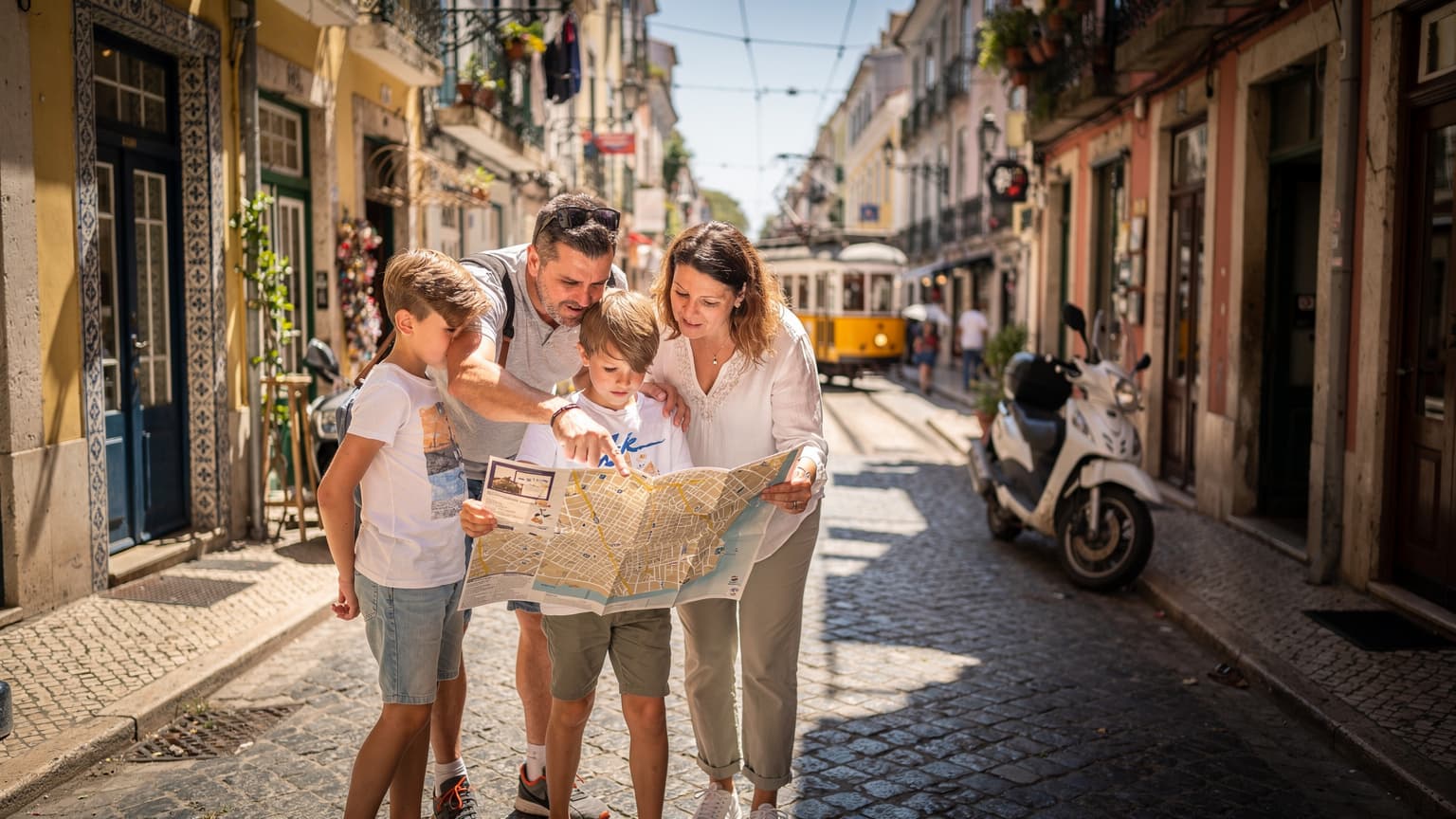
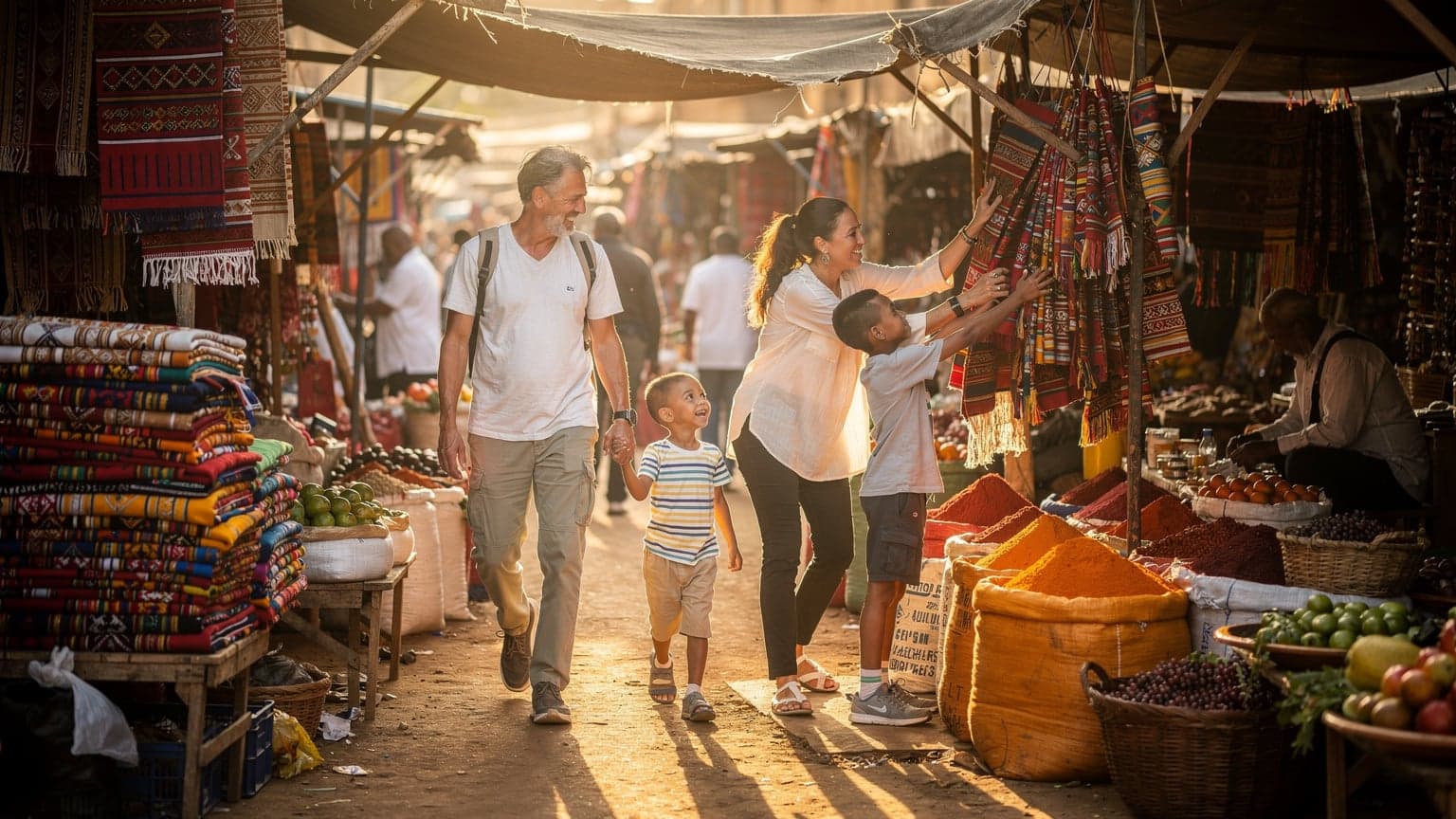
When we plan our family trips, I always factor in the 'what ifs'. For Ethiopia, this means understanding that while violent crime against tourists is rare, petty crime, like pickpocketing, can occur, especially in crowded areas like the Merkato in Addis Ababa or bus stations. Keeping valuables out of sight and being aware of your surroundings, particularly when navigating busy markets with children, goes a long way. I always make sure our kids know to keep their hands in their pockets or hold onto a parent's hand firmly, especially if they're engrossed in a game on their Switch or iPad.
Regional Stability and "No-Go" Zones
While I'm all for adventure, certain regions in Ethiopia are best avoided entirely by families due to ongoing security concerns. These include areas bordering the Oromia, Amhara, and Tigray regions, where internal conflicts have historically led to unpredictable situations. It's not about being alarmist, but pragmatic. A quick check of your country's foreign office travel advice will provide the most up-to-date list of areas to avoid.
For instance, while the Danakil Depression is an incredible natural wonder, its remote nature and proximity to the Eritrean border make it a high-risk area for family travel. Stick to established, well-traveled circuits where infrastructure and local support are more reliable.
Local Insights and Guided Tours
One of the best ways to navigate a new country, especially one with a dynamic safety landscape, is through local expertise. Hiring reputable local guides or arranging tours through established operators can significantly enhance your safety and understanding of the local context. They know the current ground situation, the safest routes, and how to interact respectfully with local communities.
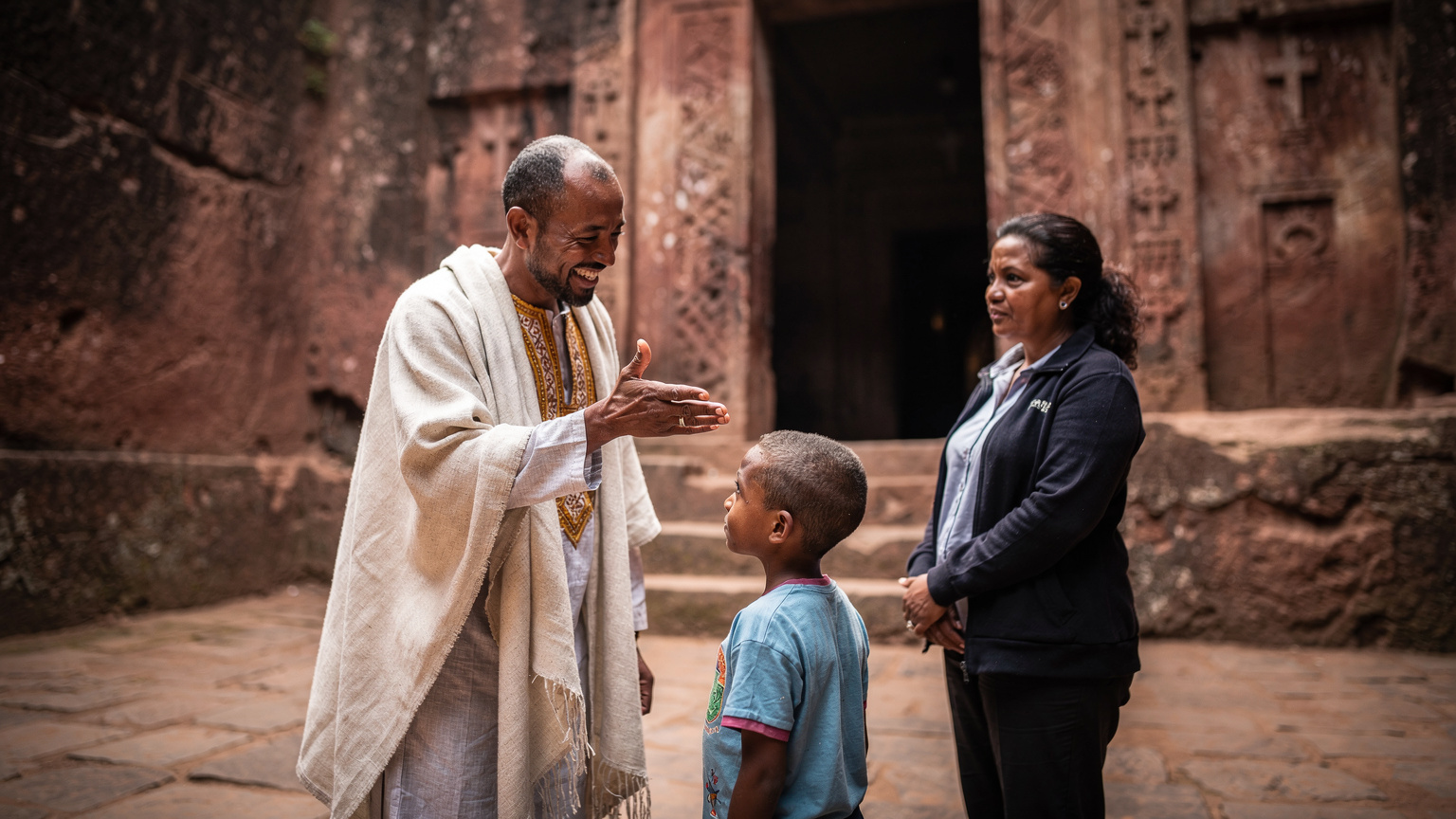
When we visited, our guide was invaluable. He not only led us through the historical sites of Lalibela but also helped us manage expectations for the kids and even pointed out the best spots for a quick, safe snack when hunger struck. For families, having that extra layer of local knowledge is priceless, reducing anxiety and allowing you to focus on the experience, not just the logistics.
Essential Entry Requirements and Visa Process for Children
Getting everyone into the country smoothly is half the battle, especially when you have passports for a family. Ethiopia's entry requirements are straightforward for most nationalities, but precise planning for visas is key.
Most foreign nationals require a visa to enter Ethiopia. For tourists, an e-visa is often the most convenient option, applied for online before departure. This saves you from long queues at Bole International Airport (ADD) after a transatlantic flight with tired children. The application process is generally simple, but ensure all details, especially those for minors, match their passports exactly.
Passport Validity and E-Visa Applications
Ensure all passports, including your children's, are valid for at least six months beyond your intended departure date from Ethiopia. This is a standard requirement for most international travel and neglecting it can lead to denied boarding.
When applying for an e-visa for your children, you'll typically need to upload a digital copy of their passport bio-page and a recent passport-style photograph. Double-check the photo requirements, as some countries have very specific rules about background color and facial expression. (My youngest once had a photo rejected because he was smiling too broadly, believe it or not.)
| Document | Requirement for Adults | Requirement for Children |
|---|---|---|
| Passport Validity | 6+ months beyond departure | 6+ months beyond departure |
| Visa | Required (e-visa recommended) | Required (e-visa recommended, separate application) |
| Return/Onward Ticket | Recommended | Recommended |
| Yellow Fever Vaccination Card | If arriving from endemic area | If arriving from endemic area |
Traveling with Only One Parent or Guardians
If one parent is traveling alone with the children, or if children are traveling with guardians, it's highly advisable to carry a notarized letter of consent from the absent parent(s) or legal guardians. This document should state that the absent parent(s) permit the children to travel to Ethiopia. It should include contact information for the absent parent(s) and ideally be translated into English, if not originally in it. This seemingly small detail can prevent significant headaches at immigration checkpoints.
I've seen families held up for hours because they didn't have this. It's a simple preventative measure that ensures your arrival is as smooth as possible.
Health and Vaccinations, Protecting Your Little Travelers
Keeping kids healthy on the road is a full-time job, and travel to Ethiopia means being extra diligent about health precautions and vaccinations. A visit to your family doctor or a travel clinic several months before your trip is non-negotiable.
Recommended Vaccinations for Ethiopia
Beyond routine immunizations (MMR, DTaP, Polio), specific vaccines are highly recommended for Ethiopia. These typically include:
- Hepatitis A and B: Crucial for protecting against food and waterborne diseases.
- Typhoid: Another important one for food and water safety.
- Yellow Fever: Mandatory for travelers arriving from, or transiting through, countries with a risk of yellow fever transmission. An International Certificate of Vaccination (Yellow Card) is required.
- Meningococcal Meningitis: Recommended, especially during dry season and for extended stays.
- Rabies: Especially if your itinerary includes rural areas or activities where animal contact is possible.
Discuss these with your healthcare provider, considering your family's specific itinerary, the ages of your children, and their medical history. Make sure everyone's vaccination records are up-to-date and easily accessible.
Malaria Prevention and Mosquito Protection
Malaria is present in many parts of Ethiopia, particularly in lower altitude areas. Consult your doctor about antimalarial medication for your family. There are different prophylactic options, and your doctor will help determine the best one based on age and potential side effects.
Beyond medication, diligent mosquito protection is essential:
- Use mosquito repellent: Apply insect repellent containing DEET, picaridin, or oil of lemon eucalyptus on exposed skin, especially during dawn and dusk. For children, ensure it's appropriate for their age.
- Wear protective clothing: Long sleeves and trousers, particularly in the evenings, can reduce bites.
- Sleep under mosquito nets: If your accommodation doesn't provide air conditioning or screened windows, ensure beds have intact mosquito nets.
- Check for standing water: In and around your accommodation, standing water can be breeding grounds for mosquitoes.
Food and Water Safety for Sensitive Stomachs
Ah, the dreaded travel tummy. With kids, this can derail an entire day. In Ethiopia, stick to bottled or filtered water. Avoid tap water, even for brushing teeth. For food, prioritize well-cooked dishes served hot. Peel fruits and vegetables yourself, and avoid raw salads where water quality might be questionable. Street food can be delicious, but exercise caution and choose vendors with high turnover and visible hygiene practices.
I always pack a small supply of electrolyte packets and some kid-friendly anti-diarrhea medication, just in case. Better safe than spending a day searching for a pharmacy with a miserable child.
Staying Connected, The Family eSIM Advantage in Ethiopia
In the digital age, staying connected isn't just a luxury, it's a safety net. Whether it's looking up directions, contacting family back home, or, let's be honest, keeping the kids entertained with Disney+ during a long car ride, reliable data is crucial. This is where Cellesim's Ethiopia eSIM comes in. Forget swapping physical SIM cards or worrying about exorbitant roaming charges.
An eSIM allows you to activate a local data plan directly on your compatible device without needing a physical SIM. This means you can keep your home SIM active for calls and texts, while using the eSIM for affordable data. Cellesim offers multiple plans for Ethiopia, starting at $22.40, making it an accessible option for families.
Data Plans for the Whole Family and Screen Time
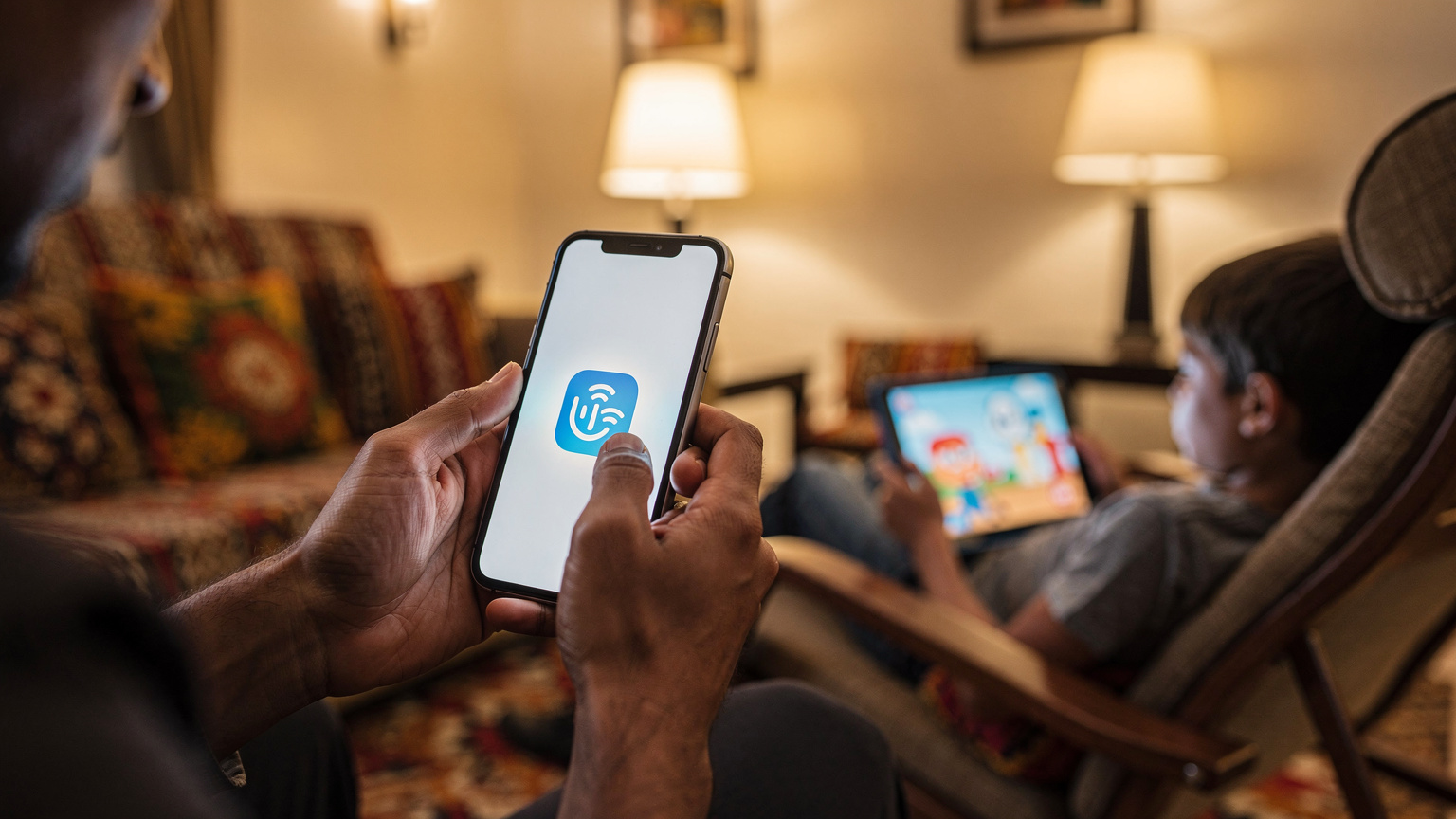
When planning for data, I always over-estimate. Two kids streaming Disney+ or Roblox takes up significantly more data than you might think. For our family, I typically look for a plan that can support at least 20-30GB for a week-long trip if we anticipate heavy usage, especially if we're relying on it for navigation, entertainment, and staying in touch. Cellesim's plans for Ethiopia offer various data allowances to suit different needs.
The beauty of an eSIM is that once installed on your phone, you can often use it as a personal hotspot. This allows you to share your data connection with your kids' iPads or even their Nintendo Switch for online gaming (a lifesaver on long journeys!). This way, you don't need a separate data plan for every device, simplifying your connectivity strategy.
Parental Controls and Offline Entertainment
While data is great, it's also a good idea to pre-load devices with offline content. Before any long flight or car journey, I make sure the kids' tablets are stocked with downloaded movies and TV shows from Netflix or Disney+, plus some educational games that don't require internet. Apps like Google Maps also allow you to download maps for offline use, which is invaluable for navigating areas with patchy signal or avoiding unexpected data drain. (I learned that lesson the hard way in a remote village years ago.)
For parental controls, remember that these are device-specific, not eSIM-specific. Utilize the built-in features on iOS (Screen Time) or Android (Family Link) to manage app usage, content restrictions, and screen time limits. These controls work regardless of whether the device is connected via Wi-Fi or cellular data from your eSIM. This allows you to maintain healthy digital habits even when abroad.
Seamless Activation and Troubleshooting
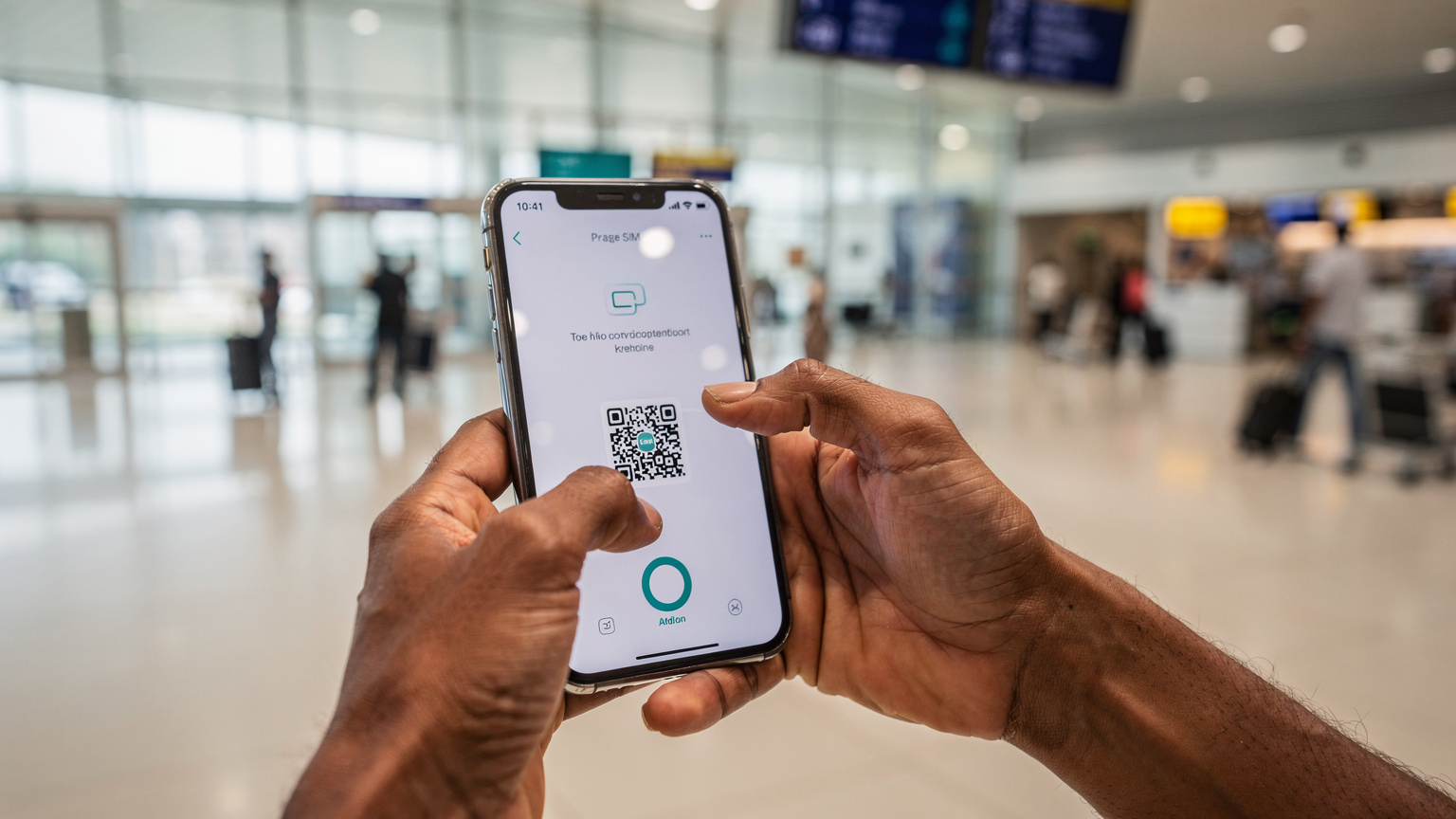
Activating a Cellesim eSIM is typically quick and easy, often involving scanning a QR code. For iPhones, this is a particularly smooth process. You can even set up your eSIM before you leave home, then activate it upon arrival in Ethiopia. This means you'll have data as soon as you land, which is a huge relief when you're trying to coordinate airport transfers with sleepy kids.
For more detailed instructions on managing your digital connectivity abroad, you might find our guide on iPhone eSIM Abroad: Ditching Roaming for Good in 2026 helpful.
Navigating Ethiopia, Transportation with Children
Getting around Ethiopia, especially with children, requires a blend of planning and flexibility. While public transport is extensive, safety and comfort considerations for families often lead to different choices.
Intercity Travel, Flights and Buses
For longer distances between major cities and tourist hubs, domestic flights are often the safest and most time-efficient option. Ethiopian Airlines has a good network, connecting Addis Ababa to places like Lalibela, Gondar, and Axum. Booking these flights in advance is advisable, especially during peak season.
Long-distance buses, while economical, can be crowded, slow, and sometimes less comfortable for children. Road conditions vary, and some routes can be challenging. If you opt for buses, choose reputable companies and try to book seats towards the front for a smoother ride and better views. Always keep an eye on your luggage.
Addis Ababa City Transport
In Addis Ababa, ride-sharing apps like Ride and Feres are widely available and offer a convenient and safer alternative to traditional taxis, especially when traveling with family. The ability to track your journey and know the fare upfront provides peace of mind. Always confirm the driver and vehicle details match what's shown in the app before getting in.
The Addis Ababa Light Rail (AALRT) offers a clean and efficient way to traverse parts of the city. While it can get crowded during peak hours, it's generally a safe and interesting experience for children. Make sure to hold hands and keep track of everyone, as stations can be bustling.
Car Rentals and Private Drivers
Renting a car for self-drive is generally not recommended in Ethiopia due to varying road conditions, local driving practices, and security concerns in some regions. A far better option for families is to hire a private car with a reputable driver, especially for longer excursions or multi-day tours. This provides flexibility, comfort, and the benefit of local knowledge.
Ensure the vehicle is well-maintained and has working seatbelts, crucial for children. Discuss your itinerary and any specific requirements, like child car seats, in advance. A good driver will also know which routes are currently safest and can offer insights into local culture and attractions.
Common Scams and How to Avoid Them with Kids in Tow
Every destination has its share of opportunists, and Ethiopia is no exception. With children, you're often more distracted, making you a potential target. Awareness is your best defense.
Shoe Shiners and Friendly Strangers
In bustling areas, you might encounter overly persistent shoe shiners or individuals who approach you offering unsolicited help or conversation. While many are genuinely friendly, some might try to guide you to specific shops, demand payment for unwanted services, or distract you while another person attempts a pickpocket. Politely but firmly decline. A simple 'No, thank you' in Amharic ('Amesegnalehu') followed by walking away usually works.
Teach your children not to accept anything from strangers, even small gifts, without checking with you first. It's a general travel rule that applies everywhere.
Overpriced Souvenirs and False Guides
Be wary of people claiming to be official guides at tourist sites who don't have proper identification. Only use licensed guides, usually arranged through your hotel or a reputable tour operator. Similarly, souvenir prices are often negotiable, especially in markets. Don't be afraid to haggle, but do so respectfully and with a smile. Research typical prices beforehand if possible.
When my kids get excited about a trinket, I always step in to do the negotiating. It's part of the cultural experience, but you don't want to get ripped off.
The Good Samaritan Distraction
This scam involves someone creating a distraction, like spilling something on you, while an accomplice pickpockets you. If someone bumps into you or causes a commotion, immediately check your pockets and bags. Keep your valuables secure in a money belt or a cross-body bag worn under your clothing.
For families, this is why I advocate for a multi-layered approach to security. One parent focused on the kids, the other on belongings and surroundings. It's a team effort.
Local Laws and Cultural Nuances, What Families Need to Know
Understanding and respecting local laws and customs is paramount for a smooth and enjoyable family trip to Ethiopia. A little cultural sensitivity goes a long way.
Photography Etiquette and Restricted Areas
Always ask permission before taking photos of people, especially children. A simple gesture or asking 'photo?' (pronounced 'fo-to') is often understood. Be respectful if someone declines. Avoid photographing military installations, government buildings, or infrastructure like bridges and airports, as this is often prohibited and can lead to serious issues.
When visiting churches and monasteries, remember to dress modestly (shoulders and knees covered) and remove your shoes before entering. This is a good opportunity to teach children about respecting local traditions.
Currency and Money Matters
The local currency is the Ethiopian Birr (ETB). While major hotels and some larger establishments in Addis Ababa might accept credit cards, cash is king elsewhere. Plan to carry enough cash for daily expenses, smaller purchases, and tips. ATMs are available in major cities, but they can sometimes be unreliable or run out of cash. It's wise to have a backup plan for accessing funds.
I usually split our cash between different family members and different locations (e.g., some in a money belt, some in a hotel safe, some in a day bag) to minimize risk.
Public Displays of Affection and Dress Code
Ethiopian society is generally conservative. Public displays of affection are not common and might be viewed as inappropriate. When it comes to dress, modesty is appreciated, especially outside of Addis Ababa. For women and older girls, covering shoulders and knees is advisable. Lightweight, loose-fitting clothing is ideal, both for comfort in the climate and for cultural respect.
Even for kids, avoiding overly revealing clothing helps them blend in and shows respect for local norms. It's an easy win for everyone.
Emergency Contacts and What to Do in a Crisis
No one wants to think about emergencies on vacation, but being prepared is key, especially with children. Having a plan and key information readily available can make all the difference.
Embassy and Consular Services
Before you travel, locate your country's embassy or consulate in Addis Ababa. Note down their address, phone number, and emergency contact details. In case of lost passports, medical emergencies, or legal issues, they are your first point of contact for assistance.
Registering your trip with your embassy (many countries offer this service online) allows them to contact you in case of a large-scale emergency or provide assistance if you encounter difficulties. It's a simple step that offers a significant layer of security.
Local Emergency Numbers
While the numbers can sometimes be unreliable outside of major cities, it's good to know the primary emergency contacts for Ethiopia:
- Police: 991
- Ambulance: 911 (for Addis Ababa, other areas may vary)
- Fire: 991
Always try to have a local guide or hotel staff assist you in an emergency, as language barriers can complicate direct communication with emergency services. If you have an Ethiopia Cellesim eSIM, you'll be able to quickly call for help or contact family abroad.
Medical Emergencies and Travel Insurance
Comprehensive travel insurance is absolutely non-negotiable for family travel to Ethiopia. Ensure it covers medical emergencies, emergency evacuation, and repatriation. Medical facilities, especially outside of Addis Ababa, may be basic. In case of a serious medical issue, you might need to be evacuated to a hospital in another country.
Carry a small first-aid kit with essentials like bandages, antiseptic wipes, pain relievers, and any prescription medications your family needs. Keep copies of prescriptions and a letter from your doctor for controlled substances. Also, list any allergies or specific medical conditions for each family member, ideally translated into a short phrase in Amharic, to assist medical personnel.
Packing Smart for Ethiopian Family Adventures
Packing for a family trip always feels like a logistical puzzle, and Ethiopia's diverse climate and cultural norms add a few extra layers. The goal is efficiency, comfort, and preparedness.
Clothing, Layers, and Modesty
Ethiopia has varying climates, from the warm lowlands to cooler highlands. Layers are your best friend. Pack lightweight, breathable fabrics like cotton or linen. Long pants and skirts, and tops that cover shoulders, are ideal for both modesty and sun protection. For cooler evenings, especially in highland cities like Addis Ababa, a light jacket or sweater will be appreciated.
Don't forget comfortable walking shoes, as you'll likely be doing a lot of exploring, particularly at historical sites. For the kids, bring clothes that can get dirty, because they will.
Kid-Specific Essentials and Entertainment
Beyond clothes, there are a few non-negotiables for traveling with kids:
- Snacks: Pack plenty of familiar, non-perishable snacks for fussy eaters or long journeys. Think granola bars, dried fruit, and crackers.
- Basic toiletries: While you can buy most things locally, having your preferred brands for sensitive skin or specific needs is helpful.
- Activity books and small toys: For downtime, plane rides, and waiting at restaurants. Small, quiet toys are best.
- Sun protection: Wide-brimmed hats, sunglasses, and high-SPF sunscreen are vital.
- Water bottles: Reusable water bottles that you can fill with safe, bottled water are environmentally friendly and keep everyone hydrated.
Remember that even with an eSIM providing connectivity, there will be times when devices aren't an option, or you want to limit screen time. Having physical books or drawing supplies can be a lifesaver.
Power Adapters and Portable Chargers
Ethiopia uses Type C and Type E/F sockets, with a voltage of 220V and a frequency of 50Hz. Ensure you have the correct adapters for all your devices. Given potential power outages or long days out, a high-capacity portable power bank is invaluable for keeping phones, tablets, and other gadgets charged. (No one wants a dead iPad when their child is halfway through a movie!) I always bring two, fully charged, because you never know.
| Item | Purpose | Family Travel Tip |
|---|---|---|
| Lightweight, Modest Clothing | Comfort, cultural respect, sun protection | Layers are key, bring clothes that can get dirty. |
| Comfortable Walking Shoes | Exploring historical sites, city walks | Pack a pair for each family member, broken in. |
| First-Aid Kit | Minor injuries, upset stomachs, basic meds | Include electrolyte packets and kid-friendly pain relief. |
| Portable Power Bank | Keeping devices charged on the go | Bring high-capacity for multiple devices, especially tablets. |
| Offline Entertainment | Flights, long drives, downtime, screen-time limits | Pre-load tablets with movies, games, and offline maps. |
| Snacks & Water Bottles | Fussy eaters, hydration, avoiding hunger meltdowns | Pack familiar snacks and reusable bottles for safe water. |
Frequently Asked Questions
Is Ethiopia safe for family travel in 2026?
Ethiopia can be safe for family travel in 2026 if you plan carefully and stick to established tourist routes and major cities like Addis Ababa, Bahir Dar, and Lalibela. Always check current government travel advisories for regional updates and avoid designated 'no-go' zones. Petty crime is a concern in crowded areas, so remain vigilant.
What are the visa requirements for children traveling to Ethiopia?
Children, like adults, typically require a visa to enter Ethiopia. An e-visa applied for online before travel is the most convenient option. Ensure their passport is valid for at least six months beyond your departure date and have a notarized letter of consent if traveling with only one parent or a guardian.
What vaccinations are recommended for children visiting Ethiopia?
Beyond routine immunizations, recommended vaccinations for children traveling to Ethiopia include Hepatitis A and B, Typhoid, and Meningococcal Meningitis. Yellow Fever vaccination is mandatory if arriving from an endemic country. Consult a travel clinic or your family doctor several months before your trip for personalized advice.
How can families stay connected with data in Ethiopia?
Families can stay connected in Ethiopia using an eSIM, such as those offered by Cellesim. An Ethiopia eSIM starts at $22.40 with multiple plans, allowing you to get local data without swapping physical SIMs. You can use your phone as a hotspot to share data with kids' devices for streaming and navigation.
What are the best transportation options for families in Addis Ababa?
In Addis Ababa, ride-sharing apps like Ride and Feres are recommended for safety and convenience, especially with children. The Addis Ababa Light Rail offers an efficient way to travel some routes. For intercity travel, domestic flights are often preferred, and hiring a private car with a driver is best for regional excursions.
How do I protect my family from common scams in Ethiopia?
To protect your family from common scams in Ethiopia, be aware of overly persistent vendors, 'friendly' strangers attempting to distract you, and individuals posing as unofficial guides. Politely but firmly decline unwanted services, keep valuables secure, and only use licensed guides arranged through reputable operators. Always check your belongings if there's a distraction.