Why can't I just buy a local SIM card in Indonesia?
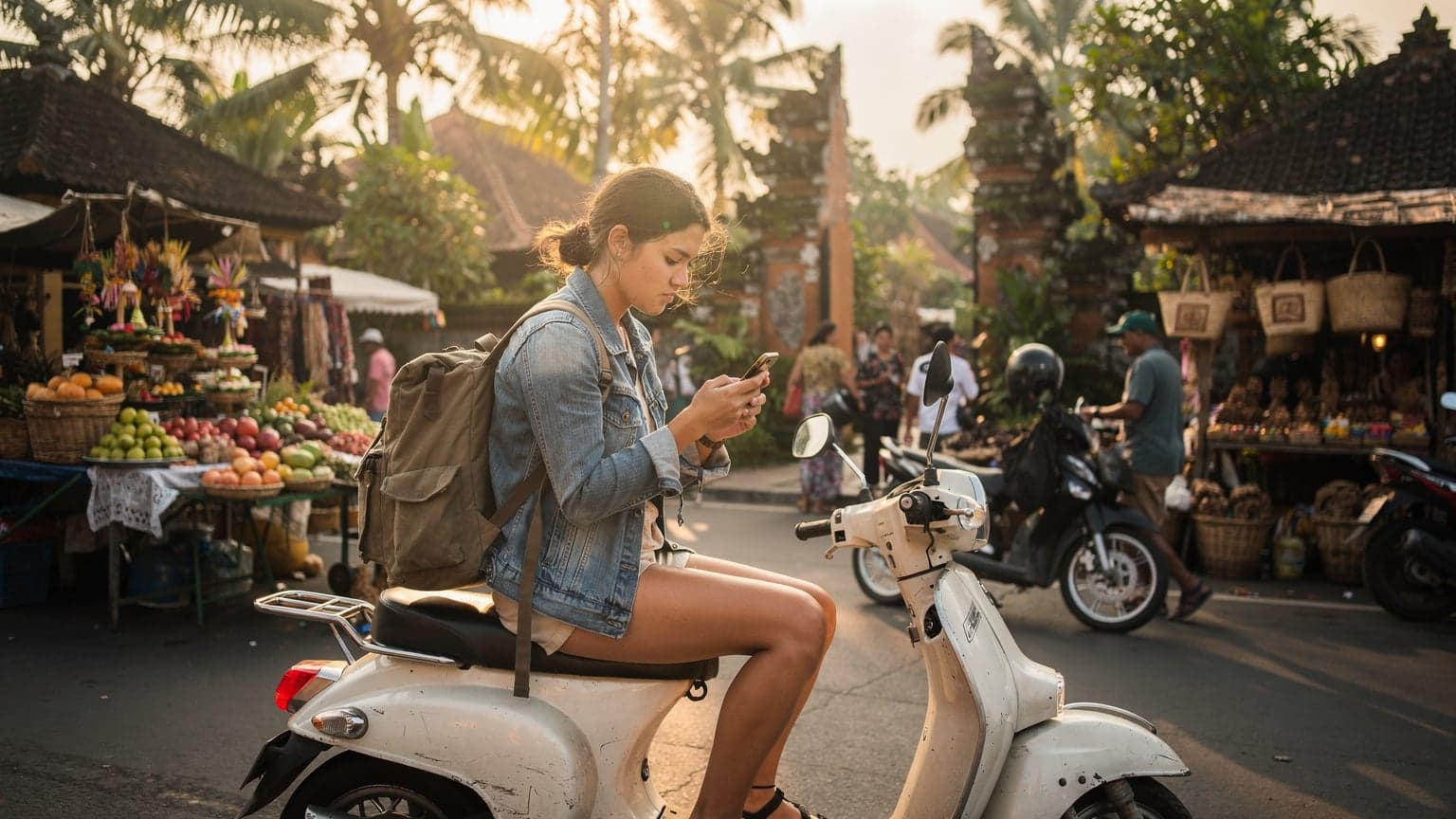
You absolutely can buy a local SIM card in Indonesia, but for a digital nomad landing from France, it's often more trouble than it's worth. First, you'll need to deal with airport vendors who might charge inflated prices or try to upsell you. More importantly, Indonesian regulations require SIM cards to be registered with your passport and IMEI number. This process can be slow, sometimes taking hours, and if done incorrectly, your SIM might stop working after a few days. I've seen friends get stuck at Ngurah Rai (DPS) in Bali for ages, trying to get their numbers registered, only for it to fail later. It's a real time-sink when you're just off a long-haul flight and need to get online to message your Grab driver or find your Airbnb.
For longer stays, say a month or more, you might eventually want a local SIM for local calls or specific Indonesian apps that require an Indonesian number (like some local banking apps or delivery services). But for the first week or two, an eSIM is a lifesaver. It lets you get settled, find your bearings, and then, if you really need it, tackle the local SIM registration when you're not jet-lagged. For a deeper dive into general SIM card realities, check out our guide on SIM Card Nedir: Yurt Dışı Seyahatinde Veri Almanın Gerçek Yolları 2024.
Which eSIM providers cover Indonesia?
Several global eSIM providers offer coverage for Indonesia, leveraging local networks like Telkomsel, XL Axiata, and Indosat Ooredoo. The key is finding one that offers reliable service on the best local networks without a huge markup.
| Provider | Key Networks Used in Indonesia | Typical Coverage Areas | What I've Experienced |
|---|---|---|---|
| Cellesim | Telkomsel, XL Axiata | Bali (Canggu, Ubud, Seminyak), Jakarta, Lombok, major islands | Consistently strong 4G/5G in popular nomad spots like Canggu. Good for Zoom calls from Tropical Nomad Coworking Space. |
| Airalo | Telkomsel, XL Axiata | Similar to Cellesim, decent across tourist areas | Reliable enough, but sometimes pricier for similar data allowances. Good fallback. |
| Holafly | Telkomsel | Mostly tourist hubs | Often offers 'unlimited' data, but it's usually throttled after a certain threshold. Not ideal for heavy usage. See our take: Holafly Discount Codes 2026: Are They Worth It, or Is There a Cheaper eSIM? |
| Nomad | Telkomsel, XL Axiata | Widely available | Solid speeds, but their app can be a bit clunky for managing plans. |
From my experience, Cellesim tends to strike the best balance between price, data allowance, and network quality. They usually partner with Telkomsel, which is hands down the best network in Indonesia, especially outside of Jakarta. I've relied on them for heavy video calls from places like Zest Ubud Co-working without a hitch, and even managed to stream Netflix on a rainy day in my tiny Canggu apartment (which cost me about 4.5 million IDR, or around €270, for a one-bedroom in Pererenan). The main thing is to pick a provider that clearly states which local network they use.
What are the best eSIM plans for Indonesia?
When selecting an eSIM plan for Indonesia, you're looking for a good balance of data volume, validity period, and cost. As someone who lives on the road, I prioritize plans that offer enough data for a month, or at least a good chunk of it, and don't expire too quickly. Price per gigabyte is crucial.
| Provider | Data Allowance | Validity | Approx. Price (EUR) | Best For |
|---|---|---|---|---|
| Cellesim (Indonesia Specific) | 10 GB | 30 Days | €15-20 | Standard usage, initial landing, light work |
| Cellesim (Indonesia Specific) | 20 GB | 30 Days | €25-30 | Regular remote work, video calls, heavy browsing |
| Airalo (Indosat) | 10 GB | 30 Days | €18-23 | Backup option, shorter stays |
| Nomad (Telkomsel) | 15 GB | 30 Days | €22-28 | Good coverage, slightly higher price point |
For someone like me, who relies on constant connectivity for work, the 20GB Cellesim plan for 30 days is usually my starting point. It's enough to cover my daily tasks, Google Maps navigation to that new café everyone's talking about, and keeping up with WhatsApp groups. If I'm spending more than a month in one place, like when I was in Sanur, Bali (rent there was about 3.5 million IDR or €210 for a basic room, but a proper studio apartment was more like 6 million IDR, €360), I'd consider supplementing with a local SIM later or just topping up my eSIM.
Remember that some apps, particularly in countries like India, absolutely need a local SIM for OTP verification or account setup. Indonesia is generally more flexible, but always good to keep that in mind. For more on this specific pain point, check out eSIM OTP: Why Travel eSIMs Struggle with Two-Factor Codes in 2024.
What about eSIM for Bali specifically?
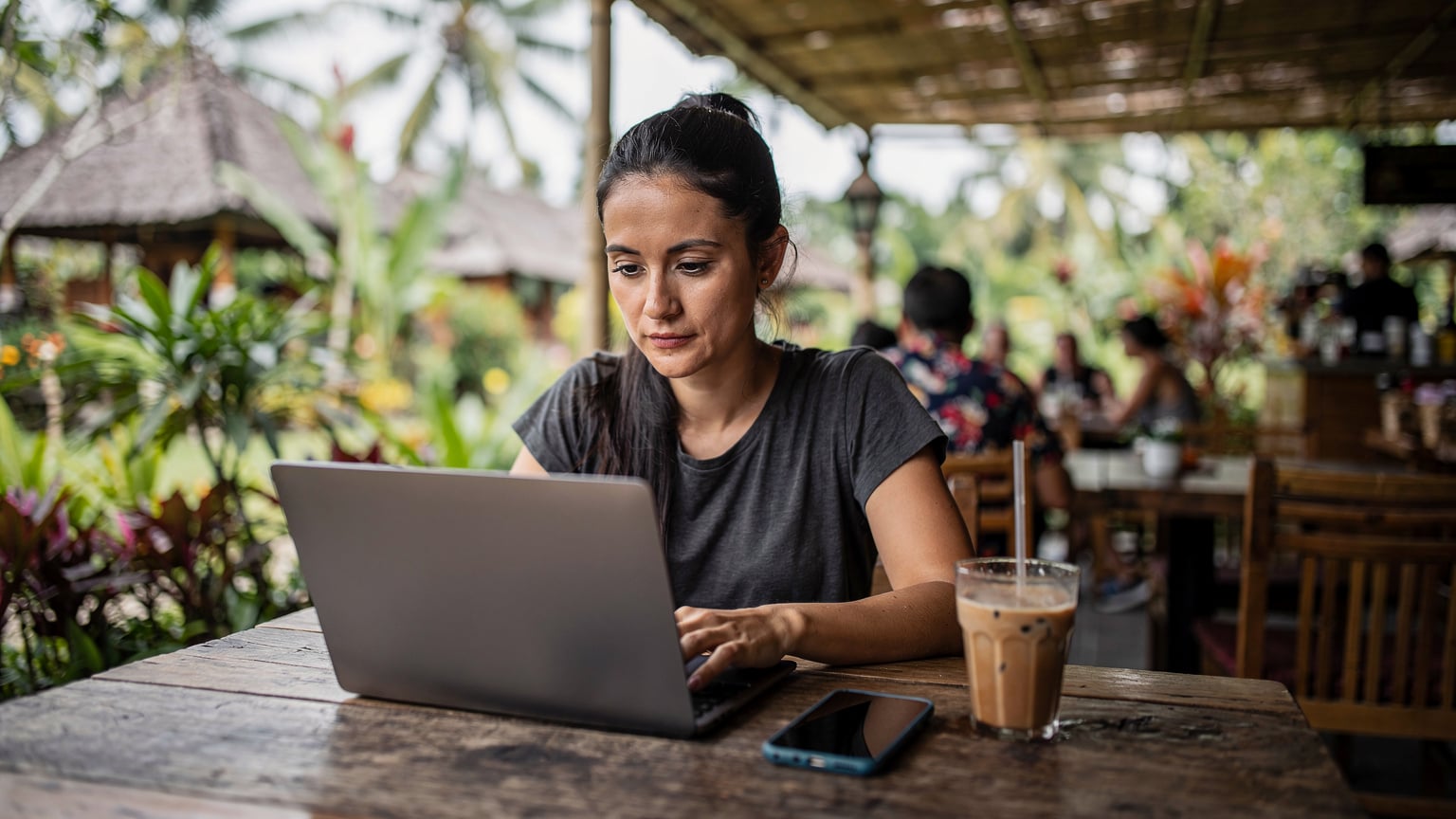
Bali is probably where most digital nomads head in Indonesia, and thankfully, connectivity here is generally good, particularly in the popular expat areas like Canggu, Seminyak, Ubud, and even up to Munduk. The best eSIM for Bali specifically will still be one that uses Telkomsel's network. They have the most robust infrastructure, even in more remote spots.
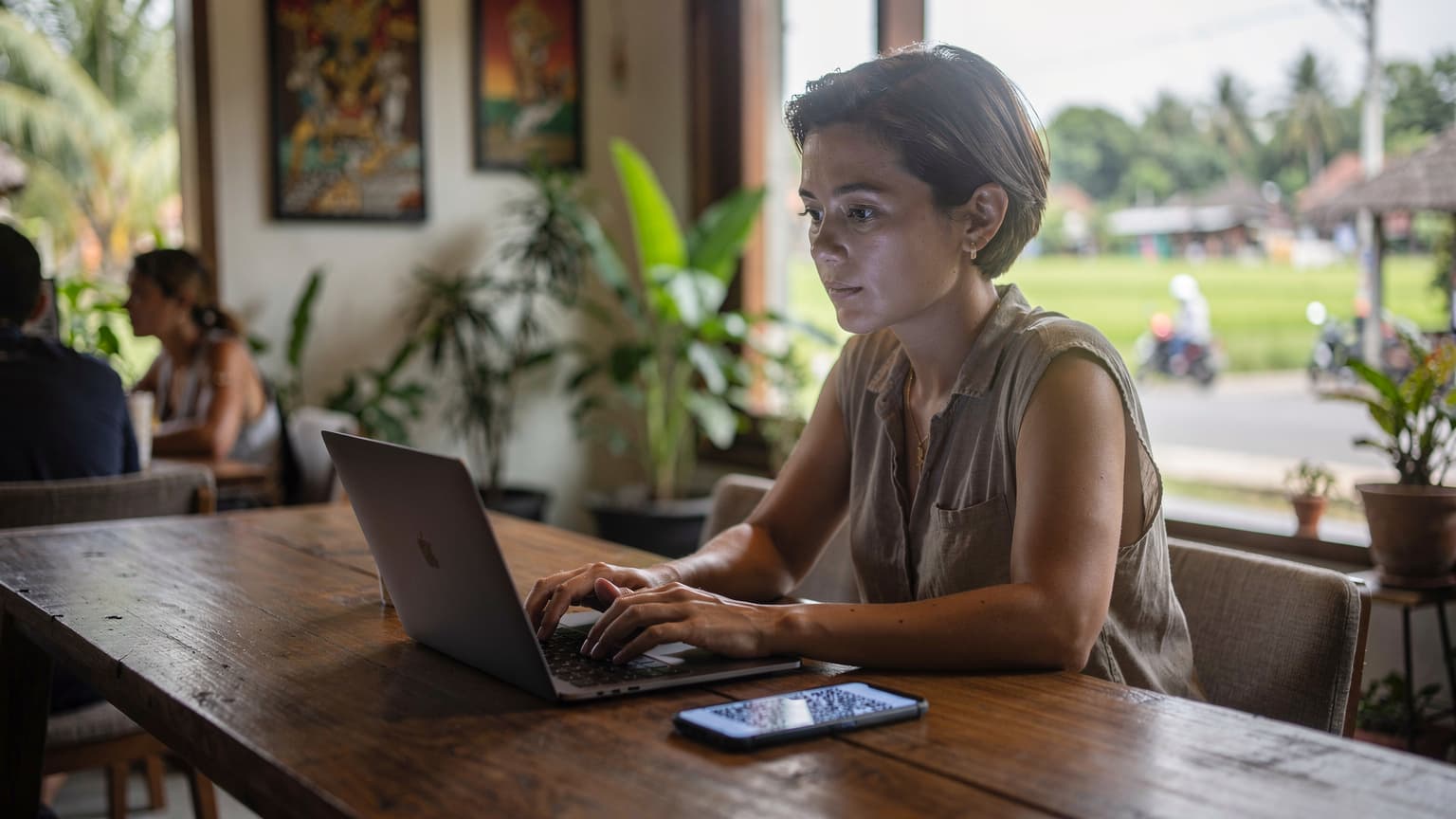
When I was in Bali for three months, splitting my time between Canggu and Ubud, I found Telkomsel to be consistently reliable. In Canggu, spots like Outpost Canggu Co-working (where membership is around 2 million IDR, €120, a month for unlimited access) had fantastic fiber, but for walking around or getting a Grab, my eSIM data was essential. Same for Ubud, whether I was grabbing a coffee at Seniman Coffee Studio or doing some focused work at Hubud (before it closed, RIP). My Cellesim plan, running on Telkomsel, never let me down for video calls back to Europe.
For families traveling to Bali, the same principles apply, but with potentially higher data needs. You might want to consider a multi-device plan or ensuring everyone has enough individual data. We have a detailed guide on Telkomsel eSIM Bali: A Family's Guide to Staying Connected on the Island 2024 that might be helpful.
How to activate your eSIM from France before you land
This is the beauty of an eSIM: you can set it up before you even leave France. I always recommend doing this. It avoids any last-minute stress at the airport.
- Purchase your eSIM online: Go to the Cellesim website (or your chosen provider) and select an Indonesia-specific plan. You can do this right from your apartment in Paris.
- Receive your QR code or manual details: The provider will email you a QR code or activation details.
- Install the eSIM on your phone: While still connected to reliable Wi-Fi in France, go to your phone's settings (Settings > Cellular/Mobile Data > Add eSIM). Scan the QR code or enter the details manually.
- Choose your primary line: Your phone will ask which line to use for data, calls, and texts. Keep your French line active for calls/texts, but set the new eSIM for data. Don't enable data roaming on your French line, or you'll get hit with huge charges.
- Activate upon arrival: Once you land in Indonesia, simply turn on your eSIM line for data in your phone's settings. Your phone should automatically connect to the local network.
It's generally a smooth process. I've activated eSIMs on planes just before landing, or even when I'm waiting for my luggage. The key is to do the initial setup when you have a stable internet connection. Don't wait until you're in the taxi trying to navigate unfamiliar streets.
Are there any downsides to using an eSIM in Indonesia?
While eSIMs are incredibly convenient for travel, there are a couple of potential downsides to be aware of when using them in Indonesia. They aren't deal-breakers for most, but it's good to go in with eyes open.
- No local phone number: Most travel eSIMs are data-only or offer limited SMS capabilities. This means you won't have a local Indonesian phone number for calls, which can sometimes be an issue for local bookings, calling a Grab driver directly (though in-app chat usually works), or setting up accounts that absolutely require a local number. For example, if you plan to stay long-term and apply for a local bank account, you'll eventually need a local physical SIM. For more about SMS, check out eSIM SMS: Travel Data for Texts (And Streaming Disney+) in 2024.
- No physical card for swapping: This is minor, but if you have an older phone that doesn't support eSIM, or if you need to quickly swap your SIM into another device, a physical SIM card offers more flexibility. However, most modern smartphones are eSIM compatible these days.
- Reliance on a stable connection for initial setup: As mentioned, you need Wi-Fi to download and activate the eSIM profile. If you forget to do this before leaving France, you might find yourself hunting for airport Wi-Fi, which can be spotty or expensive.
These are small trade-offs for the convenience and reliability an eSIM offers. The biggest one for me is the lack of a local number for certain administrative tasks, but for pure internet access, it's unmatched.
What if I need more data while I'm there?
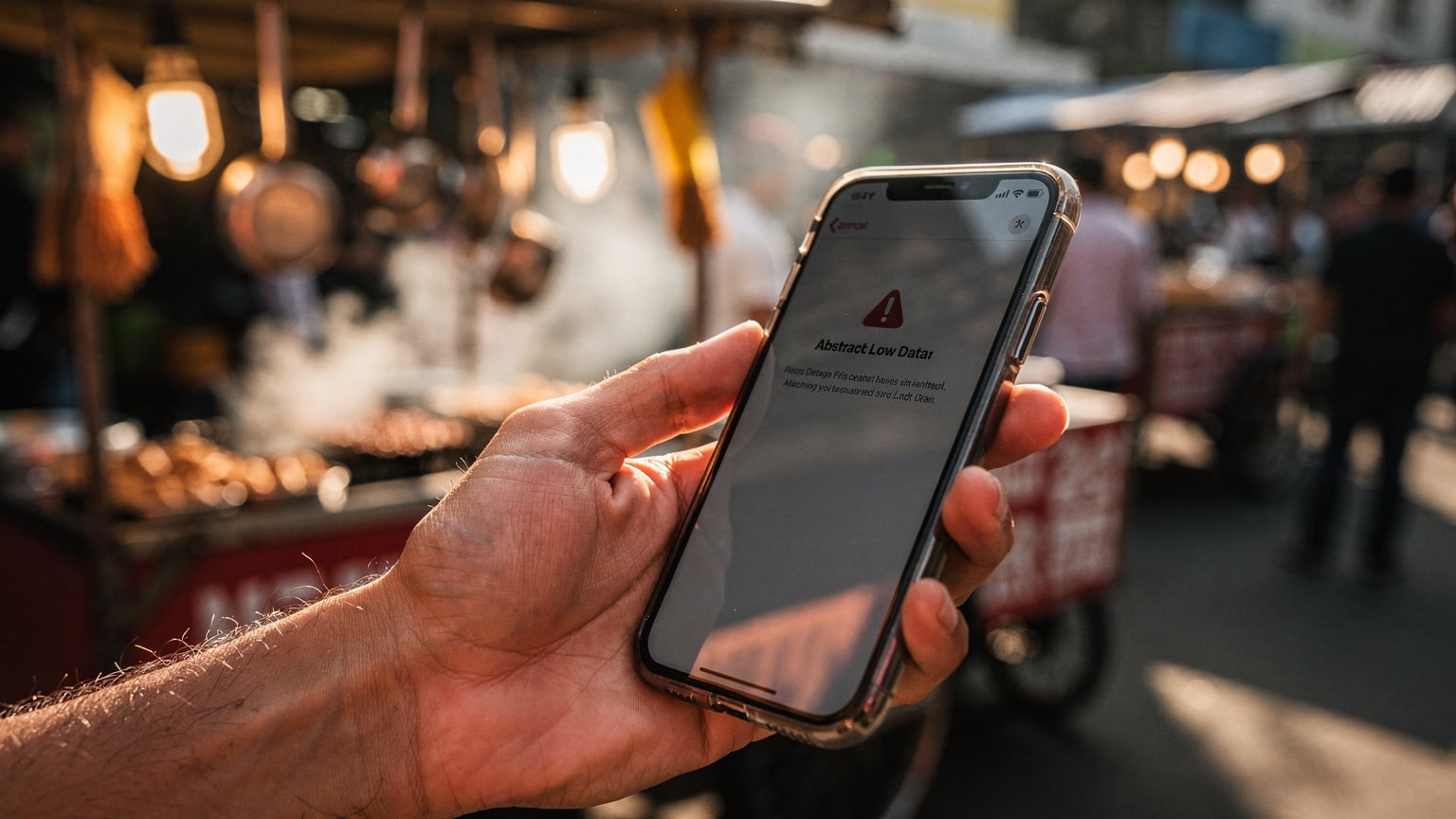
Running out of data on the road is a nightmare, especially when you're reliant on it for work or navigation. The good news is that most reputable eSIM providers, including Cellesim, allow you to top up your existing plan or purchase a new one directly through their app or website. This is another huge advantage over physical SIMs, where you'd have to find a store and go through the whole process again.
I've had to top up my data more times than I can count, usually because I underestimated how much YouTube I'd watch on a chill evening after a day of working from a cafe like Titik Temu in Seminyak. The process is usually instantaneous. You just log into your account, select a new data package, pay, and it's active within minutes. No need to hunt for a Telkomsel shop in the midday heat.
For longer stays, like if your French visa limitations allow for a solid 60-day run in Indonesia, you might find yourself needing to top up a couple of times. Keep an eye on your data usage through your phone's settings or the eSIM provider's app. Don't wait until you're completely out of data, especially if you have an important meeting coming up. Plan ahead, and you'll stay connected without a hitch.
Frequently Asked Questions
Can I use my French phone number for calls and texts with an Indonesian eSIM?
Yes, you can. When you install the eSIM, your phone will allow you to designate your French SIM as your primary line for calls and texts, and the eSIM for data. Just remember to turn off data roaming for your French number to avoid exorbitant charges from your home provider.
Is 5G available with an eSIM in Indonesia?
Yes, 5G is available in major cities like Jakarta and popular tourist areas in Bali, especially with providers that use Telkomsel's network. However, coverage can be spotty outside these hubs, and you'll often revert to reliable 4G LTE, which is still fast enough for most tasks.
What's the difference between a regional eSIM and an Indonesia-specific eSIM?
A regional eSIM typically covers multiple countries in Southeast Asia, offering flexibility if you're hopping between, say, Indonesia, Thailand, and Vietnam. An Indonesia-specific eSIM focuses solely on Indonesia, often providing more data for a lower price, as it doesn't need to cover multiple carrier agreements across borders.
Will my iPhone from France work with an eSIM in Indonesia?
Most modern iPhones (iPhone XS and newer) are eSIM compatible. If your iPhone was purchased in France, it should support eSIM functionality. Always double-check your specific model's specifications to be certain, but generally, European iPhones have eSIM support.
Can I use a VPN with my eSIM data in Indonesia?
Absolutely. Using a VPN is highly recommended for digital nomads, especially when connecting to public Wi-Fi or for general online security. Your eSIM data connection will work seamlessly with your VPN, ensuring your traffic is encrypted regardless of the local network.
How long can I stay in Indonesia on a tourist visa from France?
French citizens typically receive a 30-day visa-on-arrival in Indonesia, which can be extended for another 30 days. For longer stays, you'd need to apply for a different type of visa, such as a B211A, before arriving. Always check the latest visa regulations before your trip.