


For the Paris Summer Olympics 2026, a travel eSIM is the most cost-effective and convenient way to stay connected, avoiding exorbitant roaming fees and the hassle of physical SIM cards. Expect to pay around €3-€5 per day for ample data, allowing seamless navigation, streaming, and communication across the city.
Ditching the Roaming Nightmare: My Paris Budget Breakdown
Let's get straight to it: when I hit Paris for the Olympics, I expect to spend around €280 for 8 days of data if I don't plan ahead. That's a ridiculous chunk of change that could buy me a week's worth of hostel beds at something like Generator Paris in the 10th Arrondissement, or a dozen decent meals. My usual daily data consumption is about 3-4GB when I'm actively navigating, uploading photos, and checking event schedules. Multiply 3.5GB/day by 8 days, and that's 28GB. If my home carrier charges €10/GB for roaming, you see where the €280 comes from. Ouch.
You need a plan, and it needs to be cheap and reliable. This isn't just about saving a few euros, it's about avoiding the stress of constantly watching your data meter or getting hit with a surprise bill a month later. I've been burned before, trust me. I once got stuck at the Bosnia-Croatia border crossing because my data plan didn't cover Bosnia, and I couldn't pull up the bus ticket on my phone. Never again.
The True Cost of Connectivity for the Olympics
Forget what your home carrier tells you about their 'generous' roaming packages. They are almost universally a rip-off. When major events like the Olympics roll around, network congestion goes up, and so do the prices, often disguised in 'special event' bundles that are anything but special for your wallet. My strategy is always to assume I'll need reliable, fast data, and then find the cheapest way to get it without compromising on quality.
Why Every Euro Counts at a Major Event
At an event like the Olympics, every single euro you save on data is a euro you can spend on something that actually matters: a crêpe from a street vendor near the Eiffel Tower, a metro ticket to Stade de France, or maybe even an extra night at that charming little Airbnb in Le Marais. It's about maximizing your experience, not lining the pockets of a telco giant. I budget hard, and data is one of the easiest places to get fleeced if you're not careful.
Why Your Home Carrier Will Gouge You in Paris
Your home carrier, bless their hearts, will try to convince you their international roaming plan is your best option. It isn't. Not for a budget traveler, anyway. These plans are designed for business travelers on expense accounts, or those who simply don't care about money. For us, they're a trap.
Budget HackAlways disable data roaming on your primary SIM before you even leave your home country. This prevents any accidental charges the moment your plane lands. Trust me, that little pop-up saying 'Welcome to France, roaming charges apply' is not a welcome message.
The Hidden Fees and Slow Speeds of Traditional Roaming
Beyond the outrageous per-GB costs, traditional roaming often comes with a catch: deprioritized data speeds. When millions of people descend on Paris for the Olympics, the local networks, while robust, will be under immense strain. Roaming users are often the first to experience slower speeds, especially at peak times around venues like Roland Garros or the Olympic Village in Saint-Denis. Imagine trying to load your digital ticket or find your way to the next event with a data connection slower than dial-up. Not ideal.
| Provider Type | Typical Cost (per GB) | Expected Speed | Setup Difficulty |
|---|---|---|---|
| Home Carrier Roaming | €5 - €15 | Often throttled | Automatic (but costly) |
| Travel eSIM (e.g., Cellesim) | €1.50 - €3 | Full local speed | Easy, QR code |
| Local Physical SIM | €1 - €2.50 | Full local speed | Moderate, in-store visit |
Why International Day Passes Are a Scam
Some carriers offer 'international day passes' for a fixed fee, say €10-€15 per day. Sounds good, right? Wrong. These typically give you a paltry amount of data, maybe 500MB or 1GB, before throttling you or charging exorbitant overage fees. If you're using Google Maps, checking scores, sending photos, and making the odd video call, you'll blow through that in a couple of hours. Then you're either stuck with unusable speeds or paying even more. It's a lose-lose. You might as well just use public WiFi at Gare du Nord, but even then, it's not always reliable.
The Local SIM Card Hustle: Is It Worth the Trouble?
Okay, so traditional roaming is out. What about a local SIM card? This is usually my go-to when I'm settling into a country for a longer period, say more than two weeks. For a short, high-intensity trip like the Olympics, it's a bit more complicated. You can absolutely get a local SIM in France, and it will be cheaper per GB than an eSIM, but it comes with its own set of headaches.

Finding a French SIM Card: The Practicalities
The cheapest local option in France is typically from a carrier like Free Mobile. They have competitive plans, often with huge data allowances for a low monthly fee (around €10-€20). You can usually find a Free Mobile boutique, or even purchase one from an automatic vending machine at a 'Maison de la Presse' (newsagent) or a larger supermarket. Bouygues Telecom and SFR also have good tourist-specific SIMs, often branded as 'Holiday SIMs' which come pre-loaded with data and calls, but these are generally more expensive than a basic Free Mobile plan.
Here's the rub: you'll need your passport for registration, and often a local address (even if it's just your hostel address). The process can take anywhere from 15 minutes to an hour, depending on the queue and the efficiency of the staff. During the Olympics, imagine the lines at any shop near tourist hotspots or major venues. It's a time sink you probably don't have.
- Documentation needed: Your passport, possibly a hostel address.
- Where to buy: Free Mobile boutiques, Maison de la Presse, FNAC stores, major supermarkets.
- Activation time: Can be immediate, but often takes a few hours.
- Payment: Usually requires a credit card, cash sometimes accepted.
The Activation Dance and Border-Crossing Woes
Once you've bought the physical SIM, you have to activate it. This often involves navigating an automated voice menu in French or a website that might not be fully translated. Then, you swap out your home SIM, store it somewhere safe (don't lose it!), and hope the new SIM works. I've had situations where the activation took 24 hours, leaving me without data when I needed it most. Trying to arrange a ride from Charles de Gaulle Airport into the city without data is a special kind of hell.
And what if your Olympic adventure takes you slightly out of France? Say, a quick train ride to Brussels or a day trip to Geneva? A French local SIM won't cover you there without incurring roaming charges, meaning you're back to square one. This is a common issue for backpackers who use Paris as a hub for broader European exploration, like connecting to the Greek islands or heading to Aland Islands after the games.
eSIMs: The Savvy Traveler's Secret Weapon
This is where eSIMs shine, especially for a high-stakes, time-sensitive trip like the Olympics. An eSIM is essentially a digital SIM card embedded in your phone. No physical card to swap, no frantic searching for a store, no passport registration lines. You buy it online, scan a QR code, and you're good to go. It's truly a game-changer for anyone who values their time and sanity.
Instant Activation and Seamless Switching
The biggest advantage of an eSIM is its speed and ease of activation. You can purchase your eSIM plan days or even weeks before your trip, activate it while still at home (or just before you land at CDG), and have data the moment you step off the plane. No more fumbling with tiny SIM trays or worrying about losing your primary SIM. Many providers, like Cellesim, offer clear, step-by-step instructions, making the process smooth even for first-timers. For iPhone users, especially, the process is streamlined, as detailed in this definitive guide to eSIMs for iPhones.
Plus, you can keep your home SIM active for calls and texts, while using the eSIM for data. This is ideal if you need to receive authentication codes or important calls on your usual number without paying outrageous roaming data rates. Just make sure to set your eSIM as your primary data line in your phone settings.
eSIMs vs. Physical SIMs: The Showdown
| Feature | Travel eSIM | Local Physical SIM |
|---|---|---|
| Purchase Method | Online, instant | In-store, physical purchase |
| Activation Time | Minutes (QR scan) | Hours to 1 day (registration, activation) |
| Passport/ID Needed | No | Yes (for registration) |
| Keep Home SIM Active | Yes (for calls/SMS) | No (unless dual SIM phone) |
| Multi-Country Coverage | Often available (e.g., Europe-wide plans) | Rare (roaming charges apply) |
| Cost per GB | Low (slightly more than local SIM) | Lowest |
While a local physical SIM might offer the absolute lowest per-GB cost, the time and effort saved with an eSIM, especially during a busy event like the Olympics, are invaluable. For me, that convenience is worth a few extra euros. If you're comparing options, consider how much your time is worth to you. Spending an hour in a phone shop instead of watching a fencing match is not my idea of a vacation.
Picking the Right eSIM for Your Olympic Adventure
Not all eSIMs are created equal. You need to look for a few key things: good coverage in France (specifically Paris), enough data for your needs, and a reasonable price. You also want a provider with clear instructions and decent customer support, should anything go sideways.
Data Allowance and Validity Periods
For an 8-day trip, I'd aim for an eSIM with at least 20-30GB of data. Many providers offer plans like 10GB for 15 days, 20GB for 30 days, or even unlimited data for shorter periods. If you're going for 8 days, a 20GB plan for 15 days might be perfect, giving you some buffer. Compare the cost per GB. Some providers might seem cheaper upfront, but offer less data, making the per-GB cost higher. Always do the math!
For example, a 20GB plan for 15 days costing €40 works out to €2/GB. If you use 3.5GB/day for 8 days, that's 28GB total, so you'd need a plan slightly larger or two smaller plans. A 30GB plan for €50 would be €1.67/GB, a better deal if you know you'll use it. Consider what alternatives to Nomad eSIM might offer better value if you're exploring different providers.
Coverage and Network Partners in France
Cellesim, for instance, partners with major local networks in France to ensure robust coverage. When you're in Paris, you want an eSIM that connects to reliable networks like Orange, SFR, or Bouygues Telecom. These are the big three, and they offer excellent 4G and 5G coverage across the city, including inside metro stations and at major Olympic venues. Some cheaper eSIMs might roam on smaller, less reliable networks, leading to dropped connections or slower speeds when you're trying to post that perfect shot of the opening ceremony.
Always check the eSIM provider's website to see which local networks they utilize. Good coverage is non-negotiable when you're navigating a foreign city during a massive event.
Regional vs. Country-Specific eSIMs
If your trip extends beyond Paris to other European countries, a regional eSIM plan (like a Europe-wide eSIM) might be more cost-effective than buying individual country-specific eSIMs. These plans often cover 30-40+ countries, allowing seamless travel across the Schengen Area without worrying about border-crossing data issues. For example, if you plan to hit the Netherlands after Paris, a Europe-wide plan simplifies things immensely. This is also a smart move if you're traveling with family, as eSIMs can be a connectivity anchor for families on the go.
Setting Up Your eSIM: A Step-by-Step Guide
Setting up an eSIM is surprisingly straightforward. It's designed to be user-friendly, even for those who consider themselves tech-averse. Most modern smartphones, including iPhones (XR and newer), Samsung Galaxies (S20 and newer), and Google Pixels (3a and newer), support eSIM technology. If you're unsure if your phone is compatible, a quick search on Cellesim's FAQ page will clarify things.
Pre-Arrival Setup: The Smart Move
I always recommend setting up your eSIM before you even leave home. This way, any hiccups can be resolved with stable Wi-Fi and access to customer support, rather than panicking in a foreign airport. Here's a general process:
- Purchase Your eSIM: Go to the Cellesim website (or your chosen provider), select your destination (France or a Europe-wide plan), choose a data package that suits your trip duration and usage, and complete the purchase. You'll receive a confirmation email with a QR code and detailed instructions.
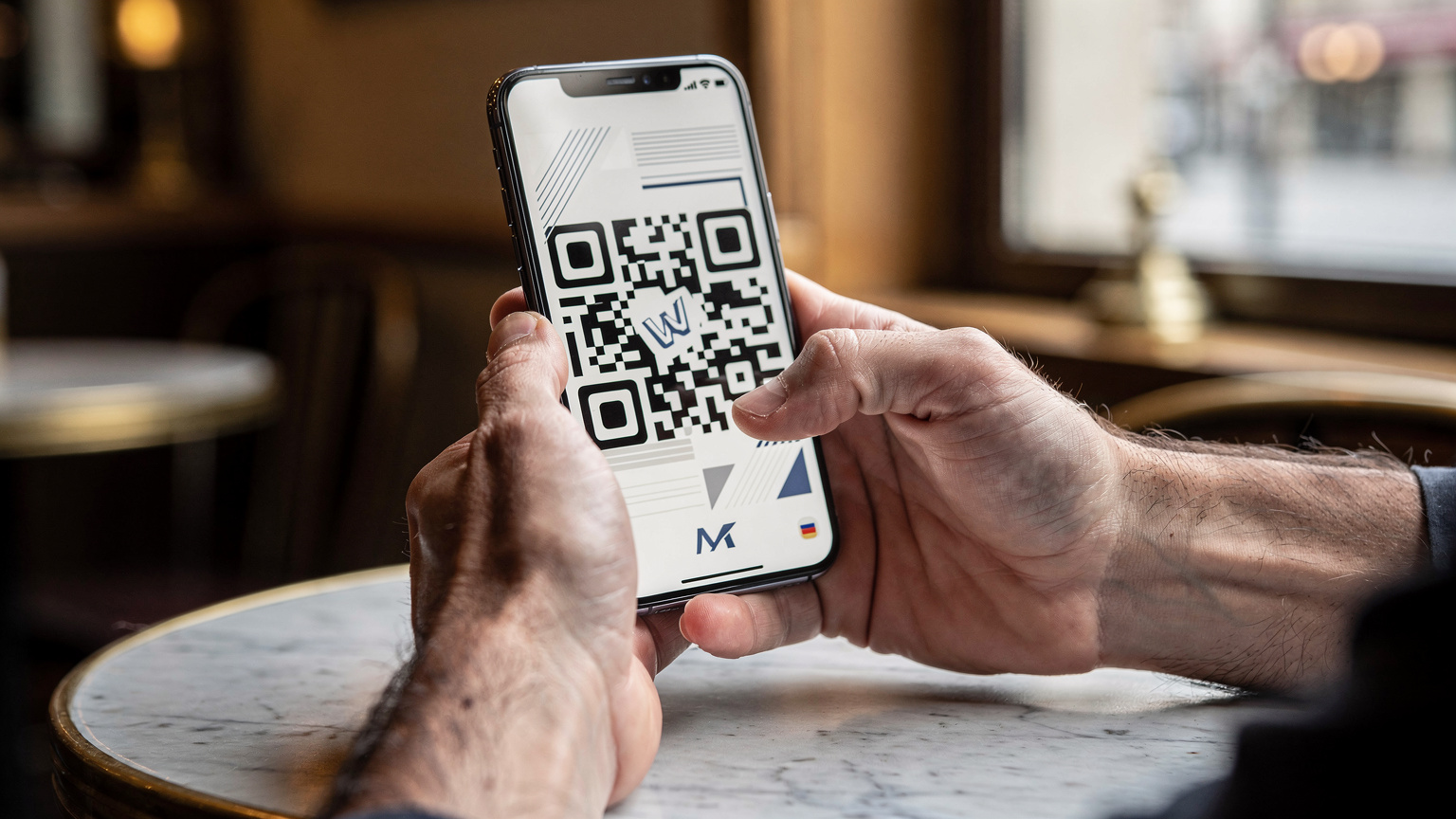
- Scan the QR Code: On your smartphone, go to Settings > Cellular (or Mobile Data) > Add eSIM (or Add Data Plan). Your phone's camera will open. Scan the QR code from your confirmation email.
- Follow On-Screen Prompts: Your phone will walk you through the installation. You might be asked to label your new eSIM (e.g., 'Paris Data' or 'Travel eSIM') and choose which line to use for data, calls, and SMS.
- Enable Data Roaming (for eSIM): This sounds counter-intuitive, but for your eSIM to work internationally, you usually need to enable 'Data Roaming' specifically for that eSIM line in your phone settings. Don't worry, this only applies to the eSIM, not your home SIM.
- Set eSIM as Primary for Data: Crucially, make sure your new eSIM is selected as the primary line for cellular data. Keep your home SIM active for calls/texts, but disable its data roaming.
Troubleshooting Common eSIM Issues
Sometimes, things don't go perfectly, but most issues are easily fixed. Here are a few common problems and their solutions:
- No Data Connection: Double-check that 'Data Roaming' is enabled for your eSIM and that the eSIM is selected as your primary data line. Sometimes a simple restart of your phone can also resolve this.
- Incorrect APN Settings: Rarely, an eSIM might require manual APN (Access Point Name) settings. These details are usually provided by your eSIM provider. You'll find the APN settings option under your phone's cellular/mobile data settings, often within the eSIM's profile.
- Weak Signal: If you're in a notoriously difficult area (like deep underground in the Paris Metro, though major lines usually have good coverage), the signal might be weak. Try moving to a different location. If the problem persists across the city, contact your eSIM provider's support.
- Purchasing an eSIM for France: Be sure to select the correct country or regional package.
Cellesim offers a comprehensive FAQ page that addresses most technical questions, and their support team is generally quick to respond. Don't be afraid to reach out if you're stuck.
Data Usage at the Olympics: How Much Do You Really Need?
This is a critical question for any budget traveler. Over-buying data is wasted money, under-buying leaves you stranded. My rule of thumb is to calculate my average daily usage and then add a buffer. At a major event like the Olympics, you'll likely use more data than usual.
Typical Data Consumption for Olympic Travelers
Here's a realistic breakdown of what you might use:
- Navigation (Google Maps, Citymapper): 50-100MB per hour of active use. You'll be using this a lot to get between venues, find restaurants in Montmartre, or navigate the crowds at Champs de Mars.
- Messaging (WhatsApp, iMessage): Low, 1-5MB per hour, unless you're sending lots of photos and videos.
- Social Media (Instagram, TikTok, Facebook): 100-300MB per hour, especially if you're uploading stories and watching videos of the events.
- Streaming (YouTube, Netflix - light use): 300MB - 1GB per hour, if you're unwinding at your hostel.
- Email/Browsing: 20-50MB per hour.
- Video Calls (WhatsApp, FaceTime): 300-500MB per hour.
Conservatively, I'd estimate 3GB per day for someone actively engaging with the Olympics, using navigation, social media, and communication. If you're heavy on video or live streaming, push that to 5GB+. For an 8-day trip, that's 24-40GB. So, a 30GB plan for 15 days is often the sweet spot. If you find yourself running low, many eSIM providers allow you to easily top up your data plan.
Conserving Data: Tips from a Pro
Even with an ample eSIM plan, it's wise to conserve data. Every euro saved is a euro earned, after all.
- Download Offline Maps: Before you leave your hostel with Wi-Fi, download offline maps for Paris on Google Maps or Citymapper. This saves a huge amount of data for navigation.
- Use Wi-Fi When Available: Many Parisian cafes, restaurants, and public spaces offer free Wi-Fi. Hop on it whenever you can to download updates, stream videos, or upload large files. Even your hostel will have free Wi-Fi.
- Disable Auto-Play Videos: In your social media app settings, disable videos from auto-playing. This can chew through data surprisingly fast.
- Restrict Background App Refresh: In your phone settings, turn off background app refresh for apps you don't need constantly updating.
- Download Entertainment: Download movies, TV shows, podcasts, or music to your device before you leave, instead of streaming them on the go. Perfect for those long metro rides.
Staying Connected Beyond Paris: eSIMs for Euro Trips
Many travelers coming for the Olympics will extend their trip to explore more of Europe. This is where the flexibility of eSIMs truly shines. Instead of buying a new local SIM in every country, a regional eSIM plan can cover your entire journey.
The Flexibility of Regional eSIMs
A Europe-wide eSIM plan covers dozens of countries, from France to Germany, Italy, Spain, and beyond. This means you can seamlessly cross borders on a high-speed TGV train without losing connectivity. No more fiddling with SIM cards at train stations or worrying about roaming charges when you briefly pass through Switzerland on your way to Italy. This freedom is unparalleled for backpackers who often move quickly between countries.
These plans are designed for continent-hoppers, simplifying data management across multiple destinations. If you're heading to the Middle East after Europe, you'd just swap out your European eSIM for a regional one covering that area.
Cost Comparison: Regional eSIM vs. Multiple Local SIMs
While buying individual local SIMs in each country might theoretically be slightly cheaper per GB, the cumulative cost, hassle, and time spent on procurement and activation make regional eSIMs a far superior choice for multi-country trips. The difference in price is often negligible compared to the convenience gained. It's the same logic I apply to free eSIM trials; are the 'savings' worth the hassle and potential limits?
| Scenario | Cost Estimate (20GB, 30 days) | Convenience Factor | Best For |
|---|---|---|---|
| France Local SIM + Germany Local SIM | €35-€45 | Low (2x setup, registration) | Long stays in each country |
| Europe Regional eSIM | €40-€55 | High (1x setup, seamless) | Multi-country trips, short stays |
| Home Carrier Roaming (2 countries) | €100-€300+ | Medium (automatic, but costly) | No one (avoid!) |
When you're hopping between capitals, the last thing you want is to spend precious travel time hunting for a phone shop. Get a regional eSIM and focus on the sights, not your data plan.
eSIM FAQs: Your Burning Questions Answered
I get a lot of questions about eSIMs from fellow travelers. Here are the most common ones, answered straight up.
What if my phone is locked?
Q: My phone is from my home carrier, will an eSIM work if it's locked?
A: No, an eSIM, like a physical SIM, requires an unlocked phone to work with different carriers. If your phone is locked to your home carrier, you'll need to contact them to get it unlocked before you can use any travel eSIM or local SIM card. This is crucial; don't wait until you're in Paris to find this out.
Can I still receive calls on my home number?
Q: If I'm using an eSIM for data, can people still call my regular number?
A: Yes, absolutely. With most modern smartphones, you can configure your phone to use your eSIM for data and your home SIM for calls and texts. Just remember that receiving calls and texts on your home number while roaming might incur charges from your home carrier, so check their rates for incoming communications. For outgoing calls, I usually rely on WhatsApp or other internet-based calling apps over the eSIM data.
What about 5G speed?
Q: Will I get 5G speeds with an eSIM in Paris?
A: Many travel eSIM providers, including Cellesim, offer 5G access in countries where it's available and supported by their local network partners. Paris has excellent 5G coverage, especially around major venues and central districts. To get 5G, you'll need a 5G-compatible phone and your eSIM plan must include 5G access. Check the specific eSIM plan details before purchasing.
Is it easy to top up my eSIM if I run out of data?
Q: What if I use up all my data before my trip ends?
A: Most reputable eSIM providers make it very easy to top up your data. You can usually do it directly through their website or a dedicated app. It's often just a few clicks to buy an additional data package and have it activated within minutes. This flexibility is a huge advantage over physical SIMs, where topping up might require finding a specific store or vending machine.
Can I use my eSIM as a hotspot?
Q: Can I share my eSIM data with my laptop or another device?
A: Yes, generally, travel eSIMs support tethering or personal hotspot functionality, allowing you to share your data connection with other devices. This is incredibly useful if you're traveling with a laptop or a tablet, or if a travel companion needs some emergency data. Always check the specific terms of your eSIM plan, as a small minority might restrict hotspot usage, but most budget-friendly ones allow it.
Final Thoughts on Your Olympic Connectivity
Navigating the Paris Olympics 2026 is going to be an incredible experience, but don't let connectivity be a source of stress or unexpected expenses. My advice, as someone who's spent years living out of a backpack and counting every centime, is to go with an eSIM. It's the perfect balance of cost-effectiveness, convenience, and reliability for a trip where every moment counts.
Forget the roaming rip-offs. Skip the queues for local SIMs. Get your eSIM sorted before you even pack your bags, and you'll have one less thing to worry about. That means more time enjoying the sporting events, exploring the Parisian streets, and maybe even splurging on an extra pain au chocolat. Your wallet will thank you, and so will your peace of mind.
Frequently Asked Questions
How much data do I need for 8 days at the Paris Olympics?
For 8 days at the Paris Olympics, a budget traveler actively using navigation, social media, and communication will likely need 3-5GB of data per day. This totals 24-40GB. A 30GB eSIM plan for a 15-day validity period is often a good balance, providing a buffer without excessive cost.
Is a local French SIM card cheaper than an eSIM for the Olympics?
A local physical SIM card from a French carrier like Free Mobile might offer a slightly lower cost per GB. However, the savings are often outweighed by the time and hassle of purchasing it in-store, requiring passport registration, and potential activation delays, especially during a busy event like the Olympics. An eSIM offers superior convenience and instant activation.
Can I use my home number for calls while using an eSIM for data in Paris?
Yes, you can configure your smartphone to use your eSIM for all data traffic while keeping your home SIM active for calls and texts. This allows you to receive calls and messages on your primary number. Be aware that incoming calls/texts on your home SIM while roaming may still incur charges from your home carrier.
What should I do if my eSIM isn't working after activation?
If your eSIM isn't working, first check that 'Data Roaming' is enabled for the eSIM profile in your phone's settings and that it's selected as the primary line for mobile data. A quick phone restart often resolves minor glitches. If issues persist, verify the APN settings provided by your eSIM carrier or contact their customer support for assistance.
Are there any data saving tips for using an eSIM during the Olympics?
To conserve data, download offline maps of Paris before you arrive, use available Wi-Fi whenever possible (e.g., at your hostel or cafes), disable auto-play videos on social media, and restrict background app refresh for non-essential apps. Downloading entertainment content like movies or podcasts before you travel can also significantly reduce data consumption.
Can I use a single eSIM for Paris and other European cities?
Yes, many eSIM providers offer regional plans that cover multiple European countries. This is ideal if your Olympic trip extends beyond Paris to other cities like Brussels or Berlin, allowing you to maintain seamless connectivity across borders without purchasing new SIMs or incurring additional roaming fees for each country.