TIM vs. Travel eSIM for Families: What's the Real Difference?
TIM is one of Italy's major mobile carriers, offering robust coverage across the country, from bustling city centers to more rural areas (which is a relief when you're trying to navigate to a specific trattoria with hangry kids in the backseat). They certainly offer eSIMs for their local plans. The main distinction for a visiting family in 2026, however, lies in the complexity and suitability of their typical tourist packages versus a dedicated travel eSIM.
TIM's tourist SIM/eSIM plans often come with a specific validity period, a set amount of data, and sometimes even international calls. The catch? These plans usually require in-person registration at a TIM store, presenting your passport, and often waiting a bit for activation. For a parent juggling passports and impatient children, this can feel like an unnecessary hurdle right after a long flight. Plus, these plans are designed for a single user, meaning you'd need to tether everyone to one phone or buy multiple plans, which quickly gets expensive and unwieldy.
Travel eSIMs, on the other hand, are built for simplicity. You purchase a plan online before you even leave home, receive a QR code, and activate it with a few taps on your phone. No store visits, no language barriers, and often much clearer data allowances tailored for a specific trip duration. This is particularly useful for families because you can buy one data-rich plan for your main device and then easily share that connection with other devices like iPads or Nintendo Switches (for those crucial downtime moments) without having to manage multiple individual lines. It makes data management for the whole family much more straightforward.
Data Needs for the Whole Crew: How Much is Enough?
Figuring out how much data your family actually needs is like predicting the weather: you can make an educated guess, but there are always surprises. For a family with a couple of kids (say, ages 8 and 12) who enjoy their screen time, you're not just looking at your own mapping and social media use. You're also factoring in their YouTube Kids, Roblox, or even a bit of Disney+ streaming on long train rides.
A good rule of thumb for a family of four, with two moderate-to-heavy kid device users, is to aim for at least 5-10 GB per person per week. This might sound like a lot, but consider: one hour of standard-definition streaming can use up to 1 GB. If both kids are watching something on their iPads for an hour a day, that's already 14 GB gone in a week. Add in your own navigation, uploading vacation photos, checking opening hours for the Vatican, and a quick video call home, and those gigabytes vanish quickly.
When looking at eSIM plans, consider options that offer larger bundles (20 GB, 30 GB, or even unlimited data) for a longer duration, rather than daily small allowances. This gives you peace of mind that you won't hit a data cap mid-day while trying to find the nearest gelato shop. Many Cellesim eSIM for Italy plans offer various data allocations that can accommodate these family-sized appetites.
| Activity | Estimated Data Usage (per hour) | Family Impact (2 kids, 1 week) |
|---|---|---|
| Streaming Video (SD) | 0.7 - 1 GB | 10-14 GB (1 hr/day per kid) |
| Online Gaming (Roblox, Minecraft) | 50 - 150 MB | 0.7-2.1 GB (1 hr/day per kid) |
| Social Media Browsing | 100 - 300 MB | 1.4-4.2 GB (1 hr/day per adult) |
| GPS Navigation (Google Maps) | 5 - 10 MB | 0.07-0.14 GB (1 hr/day per adult) |
| Video Calls (WhatsApp, FaceTime) | 200 - 500 MB | 1.4-3.5 GB (15 min/day per adult) |
Managing Kid Devices and Screen Time Abroad
The beauty of an eSIM is that it gives you control, which is golden for parents. Instead of relying on unreliable hotel Wi-Fi or constantly asking for passwords at cafes (and hoping they work for all three devices), you can create a personal hotspot from your main phone. This means you dictate when and where the kids get online.
Before you even board the plane, make sure you've downloaded all essential offline content for those moments when data might be scarce, like during a USA Road Trip 2026 or a long train journey across Italy. Think movies on Disney+, episodes of Bluey on ABC Kids, or even entire seasons of shows on Netflix. Offline maps (Google Maps allows you to download regions) are also a lifesaver for navigating without data. For educational games or books, pre-load them onto tablets or phones. This significantly reduces the pressure on your data plan.
For screen time management, most modern devices have built-in parental controls (like Apple's Screen Time or Google's Digital Wellbeing). You can set daily limits, restrict app usage, and even schedule downtime. These features work independently of your eSIM plan, as they're device-level settings. However, having a reliable data connection via eSIM means you can remotely adjust these settings or push updates if needed, without hunting for Wi-Fi. It also means their favorite educational apps that require an internet connection, like Duolingo or interactive museum guides, will actually work when you need them to.

Installation and Activation: A Parent's Guide
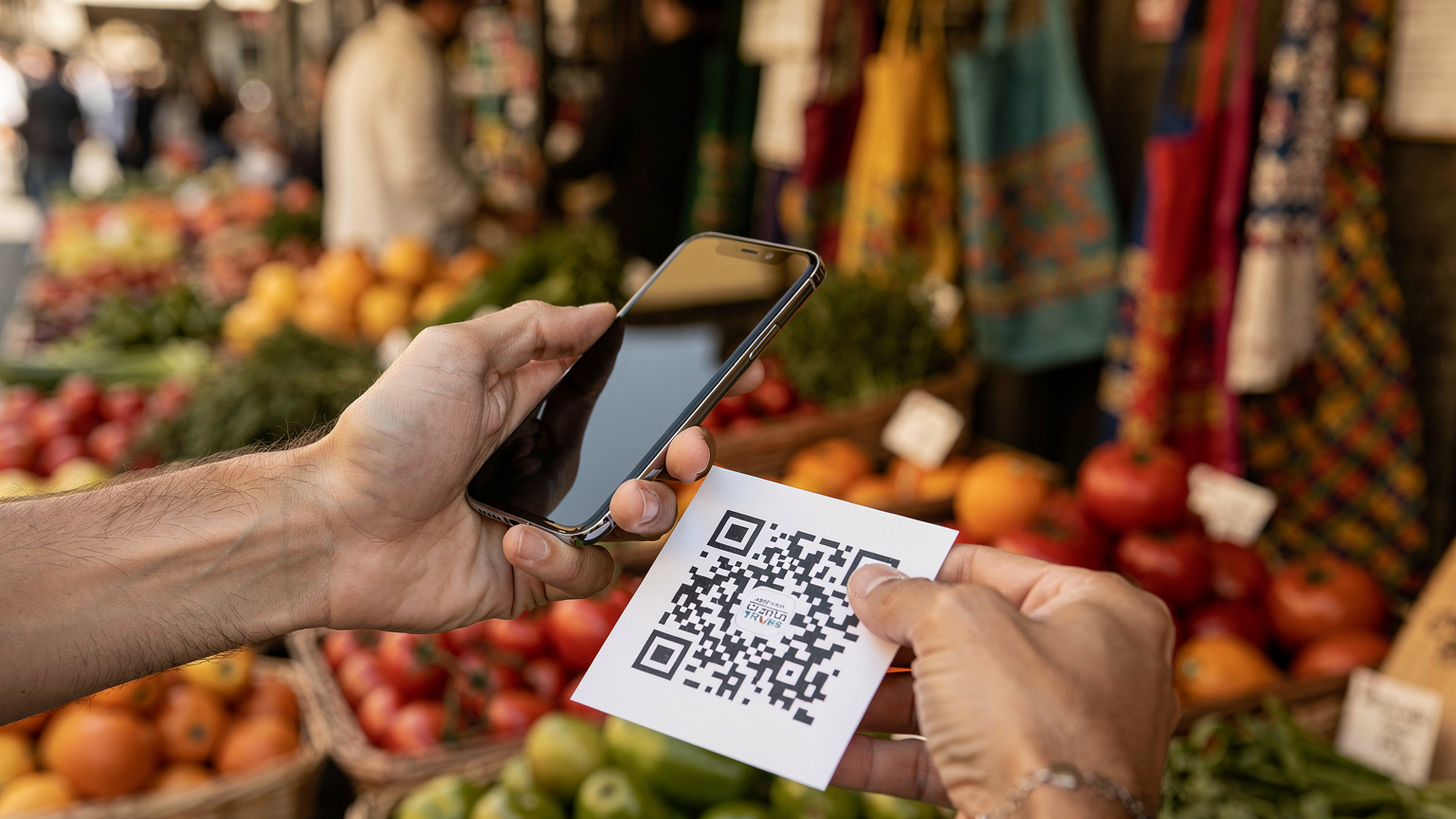
Getting an eSIM set up is generally much simpler than swapping out physical SIM cards, which, let's be honest, often ends with a tiny SIM card tray pin disappearing into the abyss of your carry-on. For most travel eSIMs, the process involves scanning a QR code with your phone's camera (usually found in your Cellesim confirmation email) and following a few on-screen prompts. This usually takes just a couple of minutes.
It's best to do this before you leave home, or at least while you still have a strong Wi-Fi connection at your departure airport. Once installed, the eSIM profile sits on your phone. You'll then activate the data plan when you arrive in Italy. The validity period of your plan typically starts when it connects to a network in the destination country, not when you install the profile. This separation of installation and activation is a key feature to understand. Don't worry about 'wasting' days of data before you even land.
Remember to set your new eSIM as your primary line for cellular data once you're in Italy. Keep your original physical SIM (or home eSIM) active for calls and texts if you need to receive them, but switch off its data roaming to avoid unexpected charges. For a more detailed walkthrough, you can always check our FAQ section on Cellesim's website.
Troubleshooting Common eSIM Issues
Even with the best planning, sometimes technology throws a curveball. If your eSIM shows no service abroad, don't panic. It's usually a quick fix. First, ensure data roaming is enabled for your eSIM line in your phone's settings. This is a common oversight. Next, check that the correct eSIM profile is selected for cellular data usage. Sometimes, after installation, your phone might default back to your home provider.
If those simple steps don't work, try restarting your phone. A good old reboot often resolves minor network glitches. You can also manually select the network operator in your phone's cellular settings (though this is rarely necessary with Cellesim, as it usually connects automatically). If you're still stuck, check out our guide on Why Your eSIM Shows No Service Abroad: Troubleshooting & Quick Fixes 2026.
In the rare event of a persistent problem, contacting Cellesim support is always the next step. They can verify your plan status and guide you through more specific troubleshooting. It's important never to delete your eSIM profile and reinstall it with the original QR code unless specifically instructed by support, as some QR codes are single-use. The goal is to get you back online quickly, so you can continue to enjoy your family adventure without missing a beat (or a crucial navigation turn).
Frequently Asked Questions
Can I use a TIM eSIM for multiple devices in Italy?
While you can purchase a TIM eSIM for your primary phone, TIM's standard tourist plans are usually for a single device. To provide data for multiple devices (like kids' iPads or a second phone), you'd typically need to use your primary phone as a mobile hotspot, or purchase separate TIM plans, which can be less convenient and more expensive than a dedicated travel eSIM solution.
How much data should my family plan for a week in Italy?
For a family of four, with two children who use devices for streaming or gaming, we recommend planning for at least 5-10 GB of data per person per week. This accounts for navigation, social media, photo uploads, and essential entertainment for the kids. If you plan extensive streaming, consider larger data bundles or unlimited options.
Do I need to register my TIM eSIM with my passport?
Yes, if you purchase a TIM eSIM directly from TIM in Italy, you will typically need to complete an in-person registration process, which requires presenting your passport and sometimes a valid Italian tax code. This is part of Italian law for local SIM card activations. Travel eSIM providers usually bypass this requirement by offering pre-provisioned data services.
Can I top up a TIM eSIM plan if I run out of data?
Yes, TIM typically offers options to top up data for their plans. However, topping up tourist plans might be different from standard local plans. With travel eSIMs, topping up is often a straightforward process directly through the provider's app or website, offering various packages to suit your remaining trip duration.
Will a TIM eSIM work on a cruise ship or in theme parks?
A TIM eSIM will provide coverage where TIM has a network connection. This generally includes most populated areas of Italy and near coastal regions. However, inside a cruise ship at sea, you'll rely on the ship's satellite Wi-Fi (which is often expensive) or international roaming if available. In theme parks, TIM's terrestrial network should work well, but dense crowds can sometimes lead to network congestion, which can affect speeds.
What's the best way to manage screen time for kids using an eSIM abroad?
Use your phone's built-in parental controls (like Screen Time on iOS or Digital Wellbeing on Android) to set limits and restrictions. With an eSIM, you can create a mobile hotspot from your device, allowing you to control when and if the kids' devices have internet access. Pre-downloading movies, games, and offline maps before your trip significantly reduces data usage and reliance on constant connectivity.