The T-Mobile eSIM Free Trial: What It Actually Is
Let's be real. The T-Mobile eSIM free trial, sometimes called "Test Drive," is just for US residents to check out T-Mobile's network at home. You get 30GB of data or 30 days of service, whichever runs out first. Its only goal is to get you to switch your main US phone number to T-Mobile, not to be your internet connection on a trip abroad.
I've seen friends try to use these trials for quick hops over the border to Mexico or Canada, thinking "free data is free data." Nope. It only works in the US, Hawaii, and Puerto Rico. Try to use it in, say, San Miguel de Allende, and you'll get absolutely nothing. Your phone will just sit there with "No Service," forcing you to frantically look for Wi-Fi, like at Café Gratitude, which, thankfully, actually has decent speeds.
Who is the T-Mobile Free Trial For?
It's for people living in the US, period. If you're weighing a carrier change, it's a solid way to test their coverage where you actually live and work. Think about your apartment in Brooklyn, where a one-bedroom can cost $3,000 a month, or your daily L train commute. It lets you see if T-Mobile's network, especially 5G, works well for you before you commit.
- New T-Mobile Customers: It mainly targets people thinking about moving their existing US phone number.
- Network Testers: Great for checking signal and speeds in specific US spots.
- Short-term Domestic Use: Handy if you need a temporary US data line without a long contract.
How to Access the Trial (If You're a US Resident)
The process is pretty simple, as long as you're a new T-Mobile customer and have an eSIM-compatible phone. Most newer iPhones (XS and up) and many Android flagship phones support eSIMs, so you probably have the hardware already. If you've got an iPhone 15, you're all set, no physical SIM tray to even think about.
- Download the T-Mobile eSIM App: Search for "T-Mobile eSIM" or "T-Mobile Test Drive" in your phone's app store.
- Verify Eligibility: The app will walk you through a quick check to make sure you're a new customer and have a compatible device. This often means entering your current phone number.
- Activate the eSIM: Once you're cleared, the app will download and activate the eSIM directly on your phone. This usually takes a few minutes.
- Start Your Trial: Then you'll have 30 days or 30GB of data, whatever comes first, to use on T-Mobile's US network. Again, it's US-only.
Why the T-Mobile Free eSIM Trial Falls Short for Travelers
This is where we get to the core issue. I've spent years relying on solid data in places like Medellín, where I paid about 1.5 million COP (around $380 USD) for a decent apartment in Envigado. For me, staying connected isn't a luxury, it's a necessity. The T-Mobile free trial provides zero international data. None. Not a single byte outside their home network.
I can't count how many times I've landed in a new city, trying to find my Airbnb or hail a ride, and a dead phone would have spelled disaster. Imagine getting to Jakarta, needing to activate your Telkomsel eSIM, and realizing your "free trial" left you high and dry. It's just not an option for anyone who travels seriously.
Geographic Limitations and Roaming Restrictions
The biggest problem is clear: it's a US-only trial. There are no roaming agreements included. If you cross a border, even into nearby Canada, your service will simply stop working. This isn't a secret, but people often miss it when they're hoping to score a "free" international connection.
That means no WhatsApp messages to coordinate with your host in Buenos Aires, no Google Maps to navigate Barcelona's winding Gothic Quarter streets, and definitely no checking your bank balance on apps like Brazil's Nubank, which often demand a local SIM just to register.
Data Caps and Duration
Even if it somehow worked internationally (which it doesn't), 30GB over 30 days might sound like a lot. But for a real digital nomad, that can disappear quickly. Co-working spots like Selina in El Poblado, Medellín, are great, but sometimes you're stuck in a cafe like Pergamino (also El Poblado) with a shaky connection and end up tethering. Stream a few conference calls, upload some files, and get your daily work done, and that 30GB is gone. Then you're back to searching for Wi-Fi. It's simply not enough for long-term travel.
Understanding T-Mobile International Roaming for Existing Customers
Now, if you're already a T-Mobile customer with a regular paid plan, that's a different situation. Their Magenta and Go5G plans usually include some international roaming. But even then, it's often not strong enough for a true digital nomad. I've heard too many nightmare stories in my WhatsApp groups about painfully slow speeds and unexpected charges.
Global Roaming on T-Mobile Plans: The Fine Print
T-Mobile's "Included with Magenta" roaming typically gives you basic data speeds (like 2G or 3G) in over 215 countries. For quick email checks or basic messages, it's okay. But try anything more demanding, like uploading high-res photos to your cloud or joining a video call, and you'll hit a wall fast. These aren't the speeds you need when your livelihood depends on your connection.
For faster speeds, you usually have to buy international data passes, which can get expensive quickly. A 15GB pass for 30 days might cost $50. That's often more than a dedicated eSIM for Mexico with better local speeds and coverage. It's a classic example of paying a premium for convenience, and honestly, I'd rather spend my money on better street food in Thailand.
The Difference Between 'Included' and 'Usable' Data
This is a crucial distinction. "Included" data often means data so slow it's barely functional. I remember trying to navigate the Santiago, Chile, metro using T-Mobile's included roaming. Google Maps took forever to load, and ordering an Uber was a huge pain. Those "unlimited" 2G speeds are a joke when you're trying to actually get things done. It might work for an emergency text, but not for productive work or smooth navigation.
For comparison, when I was in Cuenca, Ecuador, living on about $800 a month for a furnished apartment in El Centro (plus another $500 for food and incidentals, which is pretty good for Latin America), I relied on a local eSIM that gave me consistent 4G LTE. That's the difference between barely getting by and actually living comfortably.
The Real Deal: eSIMs for Long-Term International Connectivity
Forget the T-Mobile trial for travel abroad. If you're serious about staying connected globally, especially as a digital nomad, you need a specialized international eSIM provider. These services are built for travelers, offering flexibility, fair prices, and dependable service across many countries.
I've used dozens of these over the years, testing them in every situation you can imagine, from crowded festival grounds during Lollapalooza in Brazil to quiet cafes in Lisbon. The trick is finding a provider that truly understands the nomad lifestyle: easy activation, clear pricing, and strong partnerships with local networks.
Why Dedicated Travel eSIMs Win Every Time
Dedicated travel eSIMs from providers like Cellesim are made from the ground up for international use. They work with local carriers in hundreds of countries, giving you access to the best network available in each place. This means you get real 4G or even 5G speeds, not throttled roaming data.
- Local Network Access: Connects to the strongest local network, not a roaming partner.
- Transparent Pricing: Clear upfront costs for data packages, no hidden fees.
- Flexible Plans: Options for specific countries, regions (like a Europe eSIM), or global coverage.
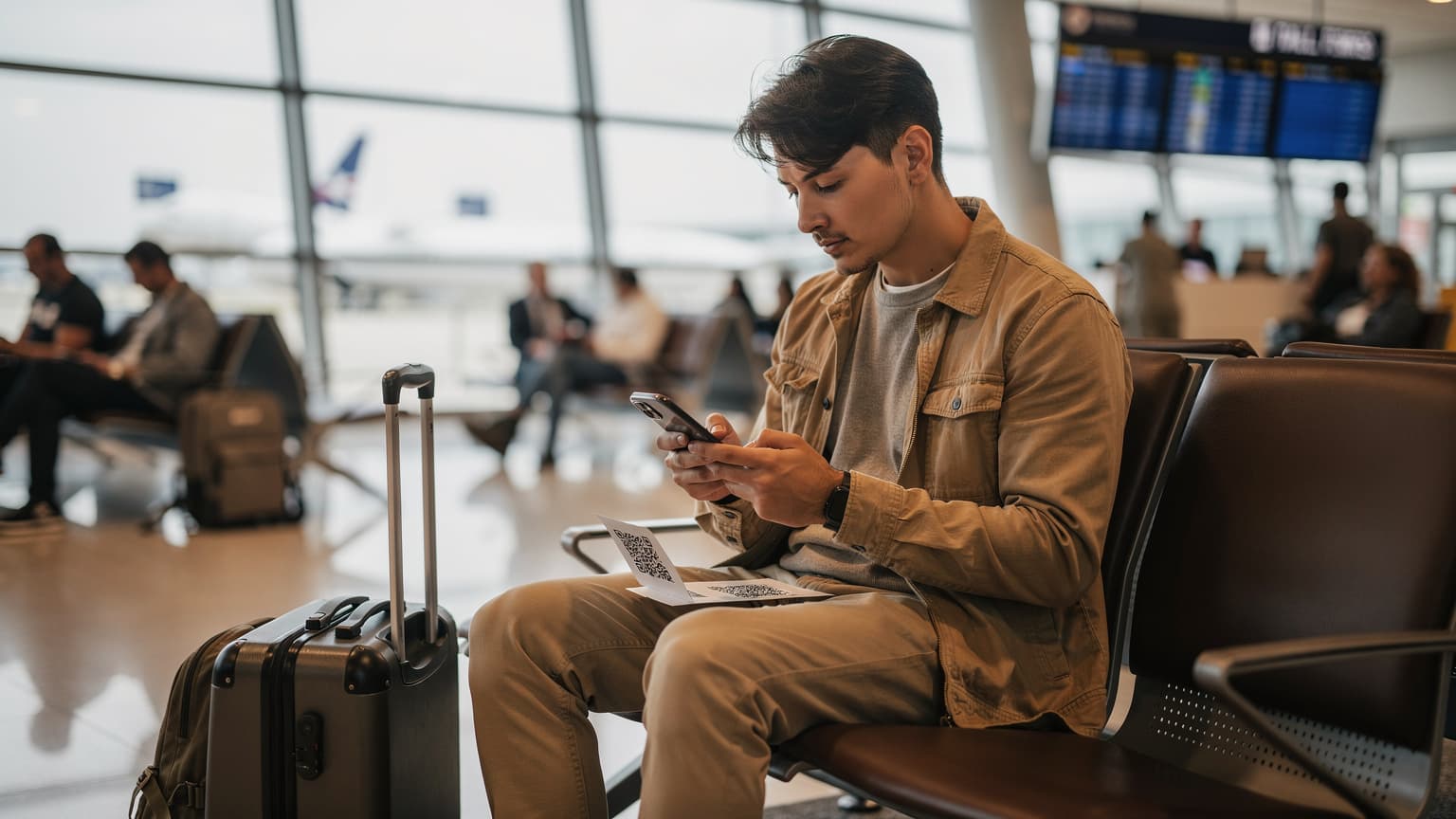
- Easy Activation: Usually a quick QR code scan and you're good to go.
Seriously, I was in Bali last year, and having a reliable eSIM meant I could hop between Canggu and Ubud without losing my connection. I could work from Outpost Canggu one day and a quiet cafe by the rice paddies the next, always with solid data.
Regional and Global eSIMs: The Smart Choice
For trips that cover multiple countries, regional eSIMs are a lifesaver. Instead of buying a new local SIM or eSIM every time you cross a border, you get one plan that covers an entire continent, like Europe or Asia. This saves time, hassle, and often money.
I've used regional eSIMs for my festival trips, bouncing from Primavera Sound in Barcelona to Roskilde in Denmark. One eSIM, consistent data, no worries. It's far better than trying to cobble together a bunch of local SIMs, especially when you're on a tight schedule or dealing with visa issues that make physical SIM registration tricky. (Some countries, like India, demand an Aadhaar ID, which means no tourist SIM for you, buddy.)
| Feature | T-Mobile Free Trial (US Domestic) | Cellesim Regional/Global eSIM |
|---|---|---|
| Coverage Area | US, Hawaii, Puerto Rico ONLY | 190+ countries & regions |
| Data Speed | T-Mobile's domestic 4G/5G | Local 4G/5G speeds (best available) |
| Cost | Free for 30 days/30GB (new US customers) | Various plans, competitive pricing |
| Primary Use | Domestic US carrier test | International travel data |
| Voice/SMS | Included (US domestic) | Data only (use VoIP apps) |
| Activation | T-Mobile app | QR code scan |
Cellesim vs. T-Mobile: A Traveler's Perspective
Alright, let's get serious. You're traveling, you need data. Who's actually going to deliver? From my experience, Cellesim and other specialized eSIM providers consistently beat traditional carriers' roaming options, especially when you consider cost, speed, and sheer convenience.
Why Cellesim Is a Better Choice for International Travel
Cellesim is made for people like me. People who live out of a suitcase, who need to be connected for work and for life, no matter where they are. It's not a domestic carrier trying to tack on some roaming; it's a global data solution from the start. This means:
- Reliable Connectivity: Cellesim partners with top local networks, giving you the best signal available in each country. I've had strong 4G/5G speeds in countless cities, from the busy markets of Marrakech to quiet cafes in Prague.
- Cost-Effective: Their plans are designed for travelers, often giving you more data for less money than traditional roaming passes. You buy exactly what you need, for precisely how long you need it.
- Flexibility: Need data for just one country? They've got it. Need a regional plan for all of Europe for a month? Done. Looking for a global plan that covers over 190 countries? They have that too. This flexibility is vital for long-term nomads.
- Ease of Use: Activating a Cellesim eSIM usually means just scanning a QR code. No more hunting for physical SIM cards at sketchy airport kiosks or trying to explain your data needs in a language you barely speak.
Seriously, I used a Cellesim eSIM for Europe during my last three-month trip there. From the high-speed trains between Germany and France to tiny villages in the Dolomites, it worked flawlessly. I managed to keep up with work, stream music, and find every single vegan restaurant without a hitch.
The Cost of Convenience: Roaming vs. eSIM
Let's talk about money, because that's where most people feel it. T-Mobile's international data passes can range from $5 for 512MB for a day to $50 for 15GB for 30 days. That's not terrible for a short vacation, but if you're like me and need 50-100GB a month, those costs quickly add up. A Cellesim plan for 50GB in a region like Asia might cost around $60-80, giving you much better value and speed.
When I was living in Cuenca, I was paying about $35 a month for unlimited local data on a physical SIM. An eSIM from a global provider might be a bit more, but it offers the freedom to cross borders. The point is, the T-Mobile free trial isn't even in the running when it comes to real international value. It's like comparing a free sample to a full, gourmet meal.
The biggest lesson I've learned on the road: never skimp on connectivity. It's the one thing that can wreck your entire trip, whether it's for work, emergencies, or just keeping in touch with home. A few extra dollars for a reliable eSIM is always money well spent.
How to Setup Your Cellesim for Seamless Travel Data
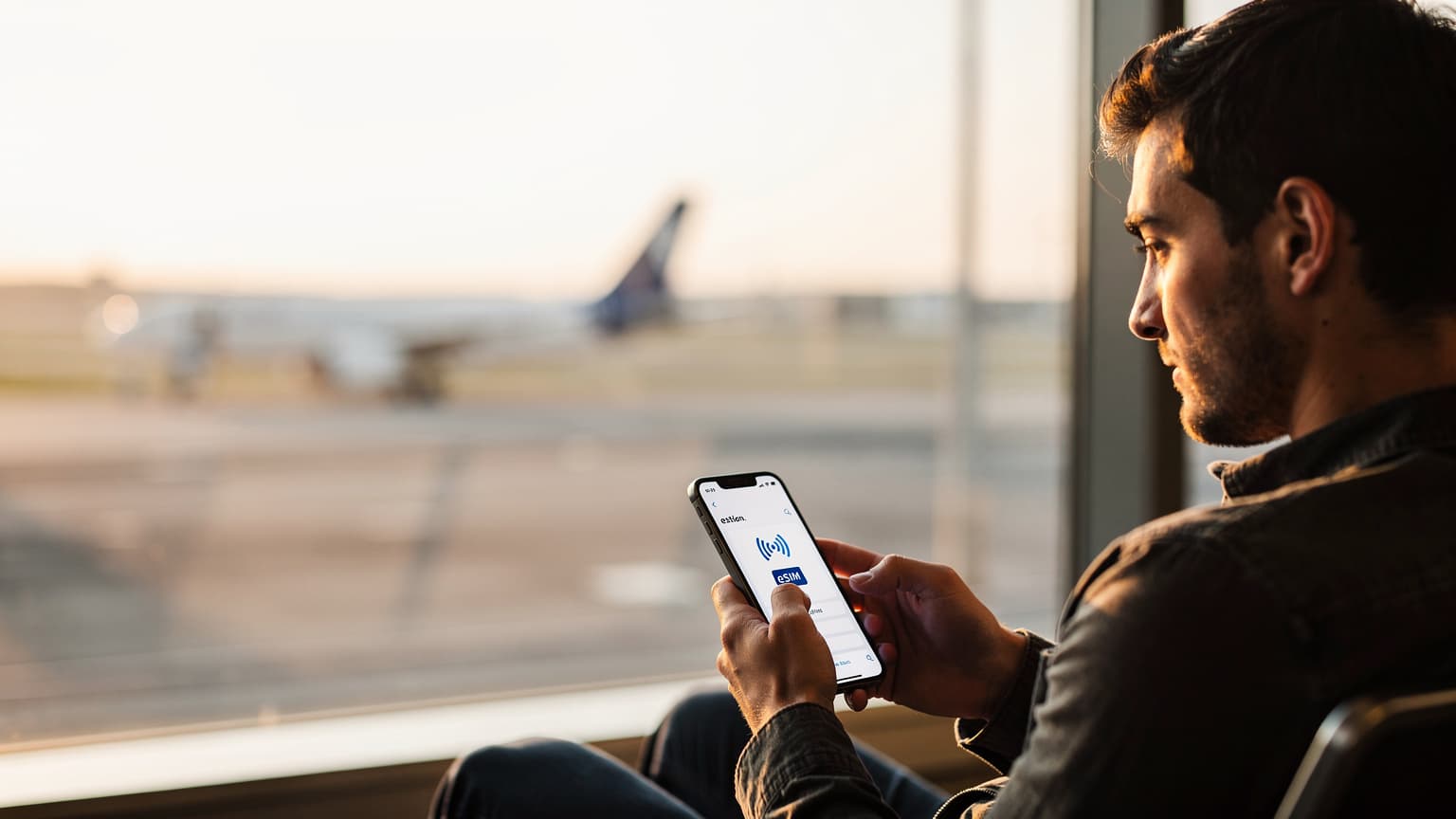
Getting a Cellesim eSIM working is genuinely easy. It's one of the main reasons I suggest them to other nomads. You can usually set it up from home before you even leave, or from an airport lounge with Wi-Fi.
Step-by-Step Activation Guide
- Choose Your Plan: Go to the Cellesim website (or app, if they have one) and pick the country, regional, or global plan that matches your travel plans. You'll specify the data amount and how long you need it for. For example, if you're heading to Algeria, you'd pick an Algeria eSIM plan.
- Purchase the eSIM: Finish the purchase. You'll typically get an email with a QR code and detailed instructions.
- Scan the QR Code: On your eSIM-compatible smartphone, go to Settings > Cellular (or Mobile Data) > Add eSIM. Choose "Use QR Code" and scan the code Cellesim provided.
- Configure Settings (Optional but Recommended): Once the eSIM is added, you might want to label it (e.g., "Travel eSIM") and set it as your main line for cellular data when you're abroad. Make sure data roaming is on for the eSIM if the plan requires it (it usually does). You'll typically keep your primary physical SIM for calls/texts, but use the eSIM for data.
- Activate Upon Arrival: Many eSIMs only activate when they connect to a network in your destination country. Don't worry if it says "No Service" before you land. Once you're in the coverage area, it should connect automatically.
I usually do steps 1-3 before I even leave my apartment. That way, when I land, all I have to do is turn on the data line, and I'm connected. No stress, no fumbling around after a long flight trying to find a local SIM vendor.
Tips for Managing Your eSIM Data
Once your eSIM is active, managing your data is crucial to avoid running out unexpectedly, especially if you're like me and tend to burn through gigs streaming music and uploading blog posts. (Hey, it's tough out here.)
- Monitor Usage: Regularly check your data use through your phone's settings or the Cellesim app.
- Wi-Fi First: Always use Wi-Fi when it's available, especially for big downloads or updates. Most co-working spaces, even that tiny one in Chiang Mai called Punspace Wiang Kaew, have super fast fiber connections.
- Disable Background App Refresh: Turn off data usage for apps you don't immediately need running in the background. Social media apps are notorious data hogs.
- Download Offline Maps/Content: Download maps for offline use, and pre-download movies or podcasts before you head out for the day.
Real-World Connectivity Challenges and Solutions
Life on the road isn't always smooth. Data can drop, connections can be spotty, and sometimes, things just break. But with the right setup and a bit of know-how, you can keep the headaches to a minimum.
Spotty Connections and Troubleshooting
Even with the best eSIM, you'll hit dead zones. It's bound to happen. I remember being on the edge of the Amazon in Colombia, trying to get a signal, and having to climb a small hill just to send a text. Here's what I usually do:
- Restart Your Phone: The classic fix. Often solves minor network glitches.
- Toggle Airplane Mode: Turns off all radios and forces your phone to search for a fresh connection.
- Manual Network Selection: In your phone's settings, you can often manually pick a different local network if your eSIM supports it and the automatic selection isn't working.
- Check APN Settings: Rarely needed for eSIMs, but sometimes the Access Point Name settings can be wrong. Cellesim usually provides these if you need to enter them manually.
- Contact Support: If all else fails, reach out to Cellesim's support. They're usually pretty quick and helpful.
Staying Connected During Festivals and Events
Carnival in Rio. Día de los Muertos in Oaxaca. Lollapalooza in Santiago. These are amazing experiences, but they're also famous for jamming local cell towers. If you're relying on a T-Mobile roaming plan, you'll be out of luck. Even good local SIMs can struggle.
This is where a robust eSIM is a lifesaver. While no network is guaranteed during peak festival times, dedicated eSIMs often get better priority or access to multiple networks, boosting your chances of getting a signal. Having a few different eSIM profiles pre-loaded on your phone can change everything. I always make sure I have a backup data plan for festival weekends. Losing your friends in a sea of people is no fun, and a dead phone makes it even worse.
| Scenario | T-Mobile Roaming (Existing Plan) | Cellesim eSIM |
|---|---|---|
| Email & Basic Messaging | Usable (2G/3G speeds) | Excellent (4G/5G speeds) |
| Video Calls/Streaming | Limited, often requires data pass | Smooth, high-quality |
| GPS Navigation | Slow to load, frustrating | Real-time, responsive |
| Large File Uploads | Impractical without data pass | Fast and efficient |
| Crowded Events | Often struggles with congestion | Better chance of connection, multiple networks |
The Future of Travel Data: Beyond Carrier Trials
The T-Mobile free eSIM trial is a marketing gimmick, plain and simple. It's not a solution for today's traveler, let alone a long-term digital nomad. Carriers like T-Mobile are slowly catching up to the eSIM trend, but their main business model is still focused on domestic contracts.
The real innovation, the real convenience, comes from companies like Cellesim that focus entirely on global connectivity. They get that a traveler needs flexibility, clear pricing, and strong data that works everywhere, without compromise.
Why Traditional Carriers Are Playing Catch-Up
Traditional carriers are like dinosaurs trying to adapt to a fast-changing world. Their infrastructure is built for domestic markets, and international roaming is an afterthought, usually overpriced and underperforming. They have complicated billing systems, long-term contracts, and a strong interest in keeping you tied to their services.
eSIM-only phones, like the newest iPhone 17, are pushing them even further, forcing them to integrate eSIMs more deeply. But they're still trailing the specialized travel eSIM providers who were built for this new reality from day one.
Embracing eSIMs for a Truly Connected Journey
My advice? Skip the free trial for international travel. It's a distraction. Invest in a dedicated travel eSIM solution like Cellesim. It's not just about getting data; it's about peace of mind. It's about knowing that when you land in a new country, you'll be connected instantly. You can call your Airbnb host, check the metro schedule, find a good local restaurant, and get your bearings without scrambling for Wi-Fi or worrying about huge roaming charges.
For me, reliable connectivity is as essential as my passport. It's the foundation that lets me live this life on the road. And for that, I'll always pick the specialist over the generalist. Check out the Cellesim FAQ for common questions, because getting connected shouldn't be a puzzle.
Frequently Asked Questions
Can I use the T-Mobile eSIM free trial for international travel?
No, the T-Mobile eSIM free trial is only for use within the United States, Hawaii, and Puerto Rico. It doesn't include international roaming, so you won't have data service outside those areas.
What are the limitations of T-Mobile's included international roaming for existing customers?
T-Mobile's included international roaming on plans like Magenta and Go5G usually offers slow 2G/3G equivalent speeds. While it works in many countries, these speeds are often too slow for modern tasks like video calls, large downloads, or smooth navigation, making it impractical for digital nomads.
Why is a dedicated travel eSIM better than T-Mobile's offerings for global travel?
Dedicated travel eSIMs, such as those from Cellesim, are made specifically for international use. They provide local 4G/5G speeds, competitive prices, flexible plans (for specific countries, regions, or global coverage), and easy QR code activation. This offers more reliable and affordable connectivity than traditional carrier roaming.
Do I need a local SIM for certain apps or services while traveling?
Yes, some local banking apps or government services, especially in countries like Brazil (Nubank) or India (Aadhaar-linked apps), might require you to have a local physical SIM card registered to a local address to work. An eSIM gives you data, but sometimes a physical local number is still needed for these specific situations.
How much does it typically cost for a digital nomad's internet in a new country?
Costs vary a lot, but for a good internet connection in a co-working space, expect $100-200 USD per month. For home internet, if you're renting long-term, it might be $30-60 USD. A good eSIM plan for personal use can add $50-80 USD for plenty of data, depending on the region and how much data you need.
What are common visa limitations that affect connectivity for nomads?
Some visas, particularly tourist visas, might limit your ability to get a local physical SIM card that requires residency or a long-term local ID. This is where eSIMs become essential, as they often bypass the need for physical SIM registration, allowing you to get online without bureaucratic hurdles.
See also: Denmark eSIM
See also: eSIM for Puerto Rico
See also: Hawaii eSIM