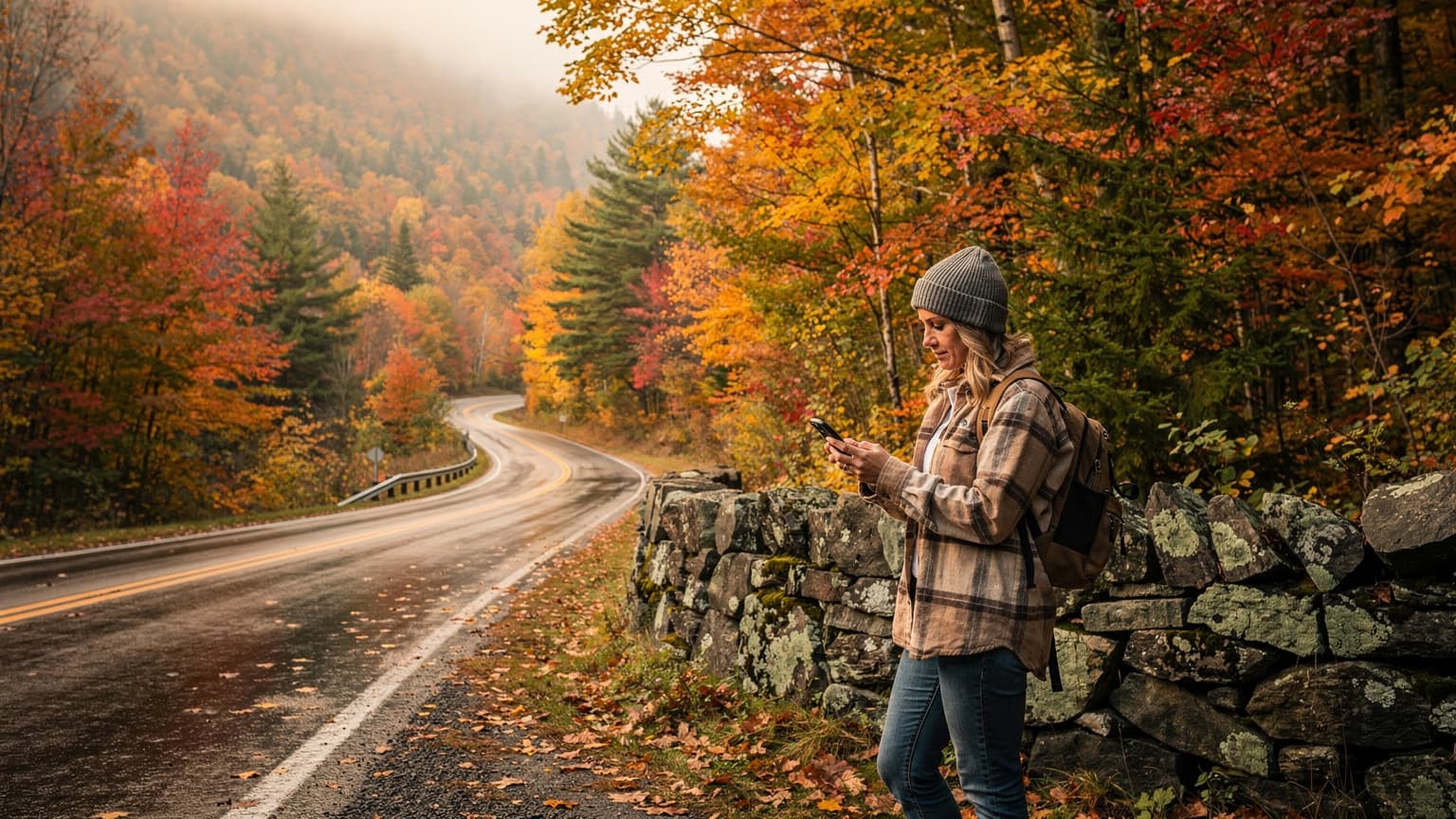
Autumn 2026: Your Guide to Fall Foliage & Festival eSIMs in New England & Beyond
For seamless connectivity during your autumn 2026 adventures in New England, Canada, and other North American fall destinations, an eSIM is your best bet, offering instant data activation and flexible plans to keep you connected for navigation, festival updates, and sharing those stunning foliage photos without expensive roaming fees.
New England's Symphony: Choosing Your Autumn Data Soundtrack
There's a reason why so many of us dream of autumn in New England, or up through Quebec and into the Maritimes. It's more than just pretty leaves, it's an experience. The smell of woodsmoke in the air, the crunch of fallen leaves underfoot on a path through Vermont's Green Mountain National Forest, perhaps near Smugglers' Notch. I remember one crisp October morning, trying to navigate the winding roads near Woodstock, Vermont, after a late breakfast at the Sugarbush Farm. My trusty old physical SIM card, tied to a plan from back home, decided that quaint rural roads and reliable 4G coverage were mutually exclusive concepts. Trying to find the exact opening times for the Billings Farm & Museum (they close at 5 PM sharp, by the way, even in peak season) became an exercise in driving-and-stopping every few miles to catch a signal. That's a frustration I wouldn't wish on anyone.
This year, let's leave those data dead zones in the past. Autumn 2026 is about seamless connections, whether you're chasing peak foliage in the Berkshires or sampling maple syrup in Mont-Tremblant, Quebec. An eSIM isn't just a convenience; it's a fundamental shift in how we travel, ensuring you're always just a tap away from that next turn, that festival schedule, or that perfect photo upload.
The Allure of Fall Foliage and the Need for Reliable Data
From the rolling hills of New Hampshire's White Mountains to the rocky coastlines of Acadia National Park in Maine, the spectacle of autumn is fleeting and magnificent. Capturing it means being able to share it instantly. Imagine stumbling upon a hidden waterfall in Franconia Notch State Park, its waters reflecting the fiery maples, and wanting to send a quick video to family. Without reliable data, that moment is just for you, which is lovely, but sometimes you want to share the magic. This isn't just about social media, either. It's about safety, navigation, and accessing local information on the fly.
Exploring North America's Autumn Hotspots
While New England is iconic, North America offers a wealth of fall experiences. Think beyond the usual suspects. Head north to Canada, for instance. I've spent a few beautiful Octobers in Quebec, particularly around the Eastern Townships, where the colours rival Vermont. Festivals like the European city breaks might get all the hype, but there's a unique charm to something like the Cranberry Festival in Fort Langley, British Columbia, usually held on the second Saturday of October, from 10 AM to 5 PM. Or even closer to home, the Apple Harvest Festival in Southington, Connecticut, which stretches over two weekends in early October. These events, often in more rural settings, demand a robust data plan.
Why eSIMs are the Secret Weapon for Leaf Peepers and Festival-Goers
I can't tell you how many times I've landed somewhere, exhausted after a long flight, only to embark on the frustrating quest for a local SIM card. I remember in Rome, trying to explain to a TIM shop assistant near Termini Station that I needed a data-only plan, despite the language barrier. Or in Tokyo, waiting in line at Narita for a SoftBank tourist SIM, only to find out they needed a physical address in Japan for activation, something my hotel wasn't keen to provide. That's precious travel time wasted, time you could be spending exploring Beacon Hill in Boston or enjoying a scenic drive along Vermont Route 100.
eSIMs eliminate all that fuss. No more fumbling with tiny trays, no more worrying about losing your home SIM, and definitely no more trying to find a local carrier store that's open past 6 PM in a small town. They're activated digitally, often before you even leave home, meaning you hit the ground running, connected from the moment your plane touches down at Boston Logan or Montreal-Trudeau.
Instant Activation and Flexibility
The beauty of an eSIM lies in its immediacy. You buy a plan online, scan a QR code, and within minutes, you're connected. It's that simple. This is especially useful if your travel plans are fluid, perhaps extending a trip through Quebec's Laurentian Mountains for an extra few days to catch the last of the fall colors. You can easily purchase a top-up or a new plan without ever having to step foot in a store. This also means you can keep your existing physical SIM active for calls and texts from home, while using the eSIM purely for data, a setup I swear by for international trips.
Cost Efficiency: Beyond Roaming Charges
Let's be honest, roaming charges are a relic of a bygone era. No one wants to come home to a bill that looks like a small mortgage payment. eSIMs offer local rates, giving you far more data for your dollar. Imagine using Google Maps to find the best apple orchard in the Okanagan Valley, British Columbia, or streaming a podcast on a long drive through upstate New York, without constantly monitoring your data usage or fearing a massive bill. When I'm working remotely, sometimes even from a cafe in Austin, I often use an eSIM for PC to ensure my laptop has a stable connection, and that same principle applies when I'm on the road.
Security and Convenience on the Go
Beyond the cost, there's the sheer convenience. No more worrying about losing a physical SIM card, or having to swap them out in a precarious situation (like on a crowded MTA subway platform in NYC, trying to get from Grand Central to Brooklyn's Dumbo neighborhood). Your eSIM number is digitally embedded, reducing the risk of theft or damage. Plus, managing multiple eSIMs for different regions is a breeze through your phone's settings, something I appreciate when hopping between the US and Canada.
Uncovering the Best eSIMs for New England and Eastern Canada
Choosing an eSIM for North America means considering a few factors: coverage, data allowance, and duration. For autumn travel, you're often moving between major cities and more rural areas, so robust coverage from a major carrier is paramount. I've found that for US and Canadian travel, providers leveraging the networks of AT&T, T-Mobile, Bell, Rogers, and Telus tend to offer the best experience. While some of these carriers, like AT&T, offer eSIMs for international travel directly, third-party providers often give more flexible, data-focused packages.
| Provider | Coverage Area | Key Features | Typical Data Plans (USD) |
|---|---|---|---|
| Cellesim USA/Canada | United States, Canada (leveraging major local networks) | High-speed 5G, flexible durations (7-30 days), unlimited data options, easy top-ups. | 10 GB for $20 (15 days), 20 GB for $35 (30 days), Unlimited for $50 (30 days) |
| Airalo North America | United States, Canada, Mexico | Good coverage, various data packages, integration with major local carriers. | 5 GB for $18 (7 days), 10 GB for $26 (15 days) |
| Holafly USA & Canada | United States, Canada | Unlimited data plans, no speed throttling, good for heavy users. | Unlimited for $34 (5 days), Unlimited for $47 (10 days) |
| Nomad North America | United States, Canada, Mexico | Pay-as-you-go, roll-over data, competitive pricing for longer stays. | 3 GB for $13 (7 days), 15 GB for $40 (30 days) |
eSIM Providers for the US and Canada
When selecting your provider, think about your specific travel style. Are you a weekend warrior hitting a specific fall festival in Vermont, or are you embarking on a three-week road trip from Maine to Montreal? Some providers, like Cellesim, offer a wide array of plans that cater to both, with options for specific regional coverage (like just the US or just Canada) or North American bundles. This often gives you better value and ensures coverage as you cross borders.
Data Allowance: How Much Do You Really Need?
This is where many travelers overspend or underspend. For a typical fall foliage trip involving navigation, light browsing, and photo sharing, 5-10 GB for a week is usually sufficient. If you plan on streaming movies in your cabin in the Adirondacks, or using your phone as a hotspot for your laptop (a common practice for remote workers in Mexico City, for example), then an unlimited plan or a higher data package, say 20 GB+, would be more appropriate. Remember, it's always easier to top up than to run out of data in the middle of nowhere.
Regional vs. Country-Specific Plans
If your itinerary involves crossing the US-Canada border, a regional North America plan is often more economical and less hassle than buying separate eSIMs for each country. Many providers offer these bundles, ensuring continuous coverage as you drive from, say, Burlington, Vermont, to Montreal's Plateau Mont-Royal neighborhood. Just ensure the plan explicitly states coverage in both countries, and check which local networks it partners with to guarantee good reception in the areas you'll be visiting.
Making the Switch: Your eSIM Activation Checklist
Getting an eSIM up and running is remarkably straightforward, but a little preparation goes a long way. I've seen travelers struggle with activation because they waited until they were already in a foreign country with no Wi-Fi, which is a classic rookie mistake. Do it before you leave home, or at least while you have a stable Wi-Fi connection.
Before You Depart: Pre-Travel eSIM Setup
- Check Device Compatibility: Not all phones support eSIMs. Ensure your smartphone is eSIM-compatible (most newer iPhones, Google Pixels, and Samsung Galaxy models are). You can usually find this in your phone's settings under 'About Phone' or by checking the manufacturer's website.
- Purchase Your eSIM Plan: Head to a reliable eSIM provider like Cellesim. Select a plan that matches your data needs and travel duration for the US, Canada, or a North American bundle.
- Receive Your QR Code/Activation Details: After purchase, you'll typically receive an email with a QR code or manual activation details. Print this out or save it on another device (like a tablet or a laptop) – you'll need to scan it with your travel phone.
- Activate While on Wi-Fi: Before you leave home, or at a minimum, at the airport with Wi-Fi, follow the provider's instructions to add the eSIM to your phone. This usually involves going to 'Settings' > 'Cellular' or 'Mobile Data' > 'Add Cellular Plan' and scanning the QR code.
- Label Your eSIM: Once activated, label your new eSIM (e.g., "USA Travel" or "Canada Fall Trip") to easily distinguish it from your home SIM. This is crucial for managing your data usage effectively.
On Arrival: Adjusting Your Settings for Optimal Use
- Enable Your eSIM: Once you land, go to your phone's cellular settings and ensure your new eSIM is turned on.
- Set as Primary for Mobile Data: Designate your eSIM as the primary line for mobile data. You can keep your home SIM active for calls/texts if you wish, but ensure data roaming is OFF for your home SIM to avoid charges.
- Check Network Selection: Most eSIMs automatically connect to the best available network. However, if you're having trouble, you can manually select a network from your phone's settings.
- Test Your Connection: Open a browser, check your email, or use a mapping app to confirm your data is working. If you're encountering issues, a quick restart of your phone often resolves minor glitches.
- Monitor Data Usage: Keep an eye on your data consumption through your phone's settings or the eSIM provider's app. This helps you avoid unexpected cut-offs and plan for top-ups if needed.
Navigating the Countryside: Staying Connected Off the Beaten Path
Autumn trips often mean venturing beyond city limits. Think scenic drives along the Kancamagus Highway in New Hampshire, exploring small towns like Stowe, Vermont, or hiking trails in Gatineau Park near Ottawa. These are the places where cell service can get dicey, and a reliable eSIM becomes indispensable. It's not just about getting service; it's about getting consistent, usable service, especially when you're relying on it for directions to that roadside diner or the timings of the local general store, which might close at 4 PM on a Sunday.
eSIM Coverage: Rural vs. Urban Areas
While major cities like Boston's North End or Montreal's Old Port will have excellent 5G coverage, rural areas are a different beast. eSIM providers typically piggyback on the major national carriers. In the US, that means AT&T, T-Mobile, and Verizon. In Canada, it's Bell, Rogers, and Telus. When choosing your eSIM, look for providers that explicitly state which networks they use. For example, some Cellesim plans for the US utilize both AT&T and T-Mobile's infrastructure, which gives you better chances of coverage as you traverse different terrains. This kind of redundancy is a godsend when you're deep in the Catskills looking for that craft brewery.
| Region | Major Local Carriers | Expected Coverage (Rural) | Tips for Connectivity |
|---|---|---|---|
| New England (US) | Verizon, AT&T, T-Mobile | Generally good, but spotty in mountainous regions (e.g., White Mountains, Green Mountains). 4G LTE common, 5G in larger towns. | Download offline maps (Google Maps, HERE WeGo). Choose an eSIM leveraging multiple networks. |
| Eastern Canada (QC, ON, Maritimes) | Bell, Rogers, Telus | Strong in populated corridors, can be weak in remote parts of Quebec or Northern Ontario. | Consider Canadian-specific eSIM if staying solely in Canada. Check carrier coverage maps for your specific route. |
| Upstate New York / Adirondacks | Verizon, AT&T, T-Mobile | Decent in towns, very limited in true wilderness areas of the Adirondack Park. | Inform your accommodation if you'll be off-grid. Use Wi-Fi whenever available. |
Offline Maps and Pre-Downloaded Content
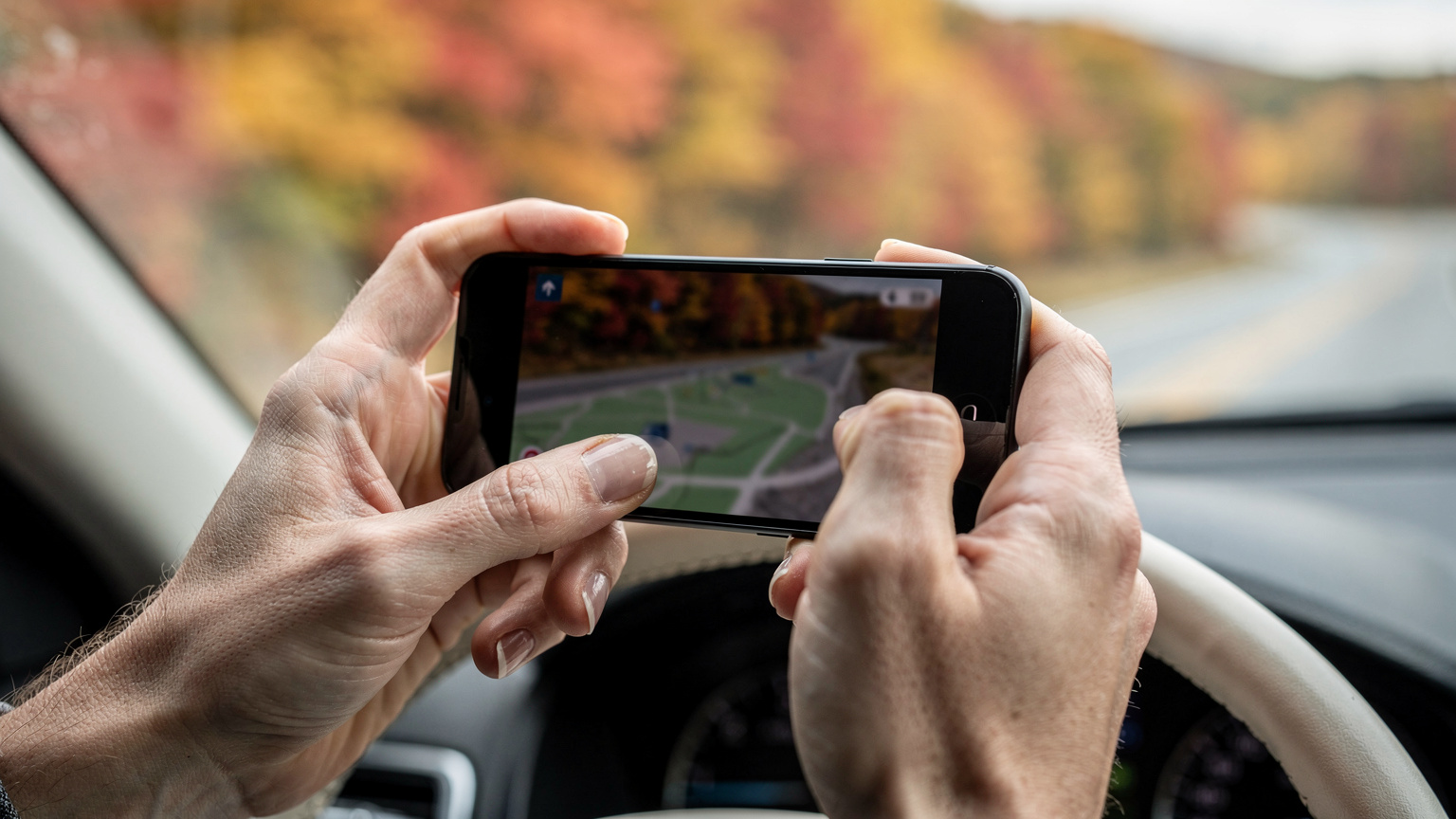
Even with the best eSIM, there will be dead zones. I learned this the hard way trying to find a specific B&B outside Lake Placid, New York, with no signal. Always, always download offline maps for the regions you're visiting. Google Maps allows you to download entire areas, which can be a lifesaver. Similarly, if you're planning on listening to podcasts or music during long drives, download them beforehand. It saves data and ensures entertainment even when your signal drops out. Sometimes, a quiet drive through the autumn leaves is the best entertainment, but having a backup never hurts.
Power Management for Extended Journeys
Using your phone for navigation and data-intensive tasks drains the battery faster. Especially in rural areas where your phone might be constantly searching for a signal, battery life can diminish rapidly. Carry a portable power bank, or ensure your car charger is working. Nothing is worse than being lost with a dead phone. I've had to pull over to a gas station in rural Maine to borrow a charger more times than I care to admit, just to get enough juice to check a map.
Fall Festival Connectivity: From Pumpkin Patches to Cider Fests
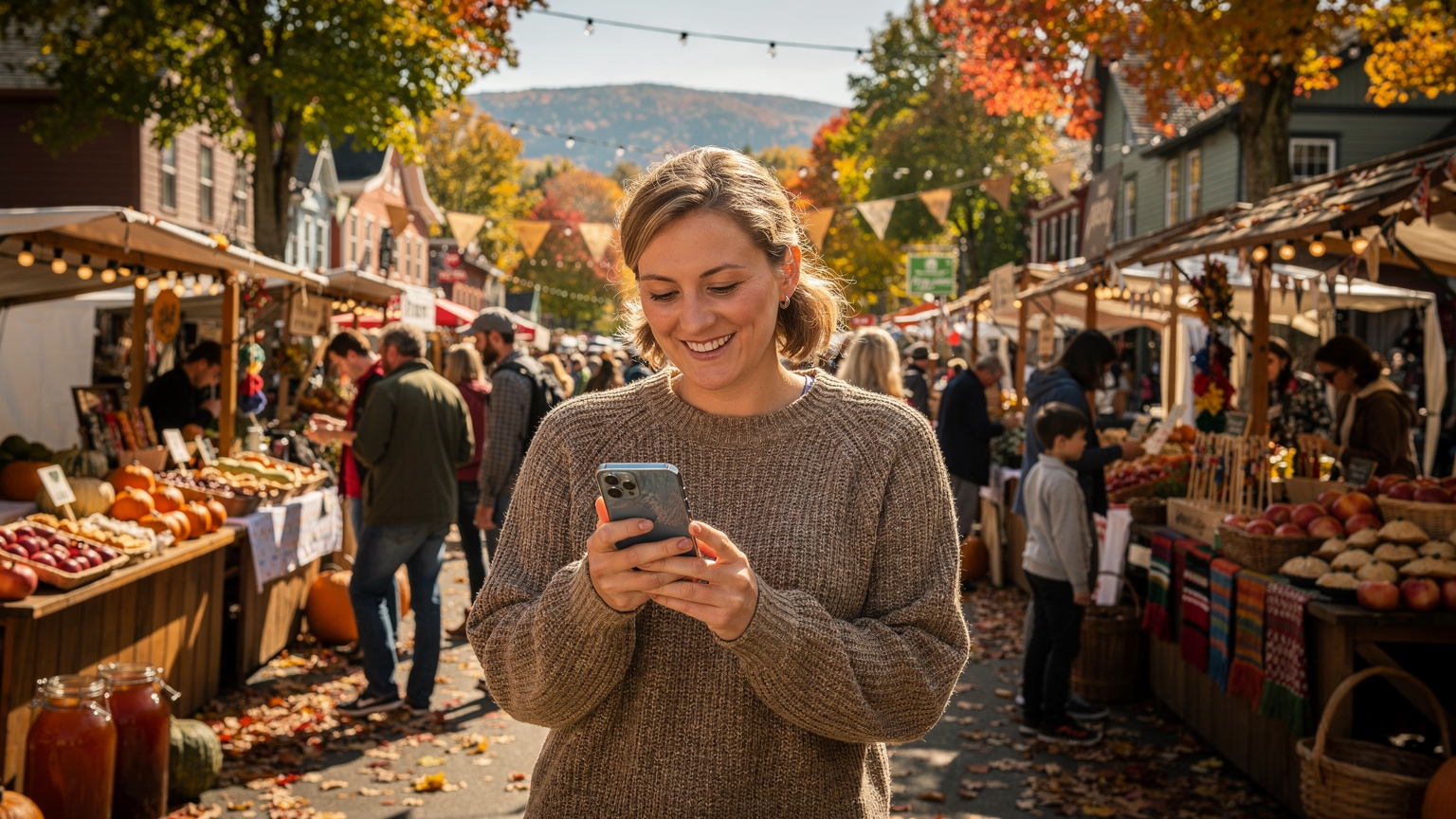
Autumn in North America isn't just about leaves, it's about community and celebration. Harvest festivals, craft fairs, apple picking, and pumpkin patches dot the landscape. These events, whether it's the Keene Pumpkin Festival in New Hampshire or the Newfoundland & Labrador Folk Festival in St. John's (usually mid-October), are often lively, crowded affairs where reliable data is essential. You'll need it for everything from checking event schedules and vendor locations to coordinating with friends and processing mobile payments.
Staying Updated on Festival Schedules and Locations
Festival schedules can be dynamic, with last-minute changes due to weather or performer availability. Having a live internet connection means you can check the official festival app or website for real-time updates. Imagine missing your favorite folk band at the Harvest on the Harbor festival in Portland, Maine, because your paper program was outdated. Many festivals also use cashless payment systems, relying on your phone's connectivity for transactions.
Social Sharing and Connecting with Fellow Attendees
From snapping photos of prize-winning pumpkins to sharing videos of a lively bluegrass band, festivals are prime opportunities for social sharing. An eSIM ensures you can upload those moments instantly, without hunting for public Wi-Fi (which is often slow and unsecured). It also makes it easy to coordinate meet-ups with friends, especially in sprawling festival grounds. I remember trying to find my travel buddy at the Garlic & Herb Festival in Bennington, Vermont, near the historic Old First Church, and it took a solid half-hour of circling before we connected.
Using eSIMs for Payments and Ticketing
Many events, particularly those with timed entry or pre-booked tickets, rely on digital ticketing. Your phone is your entry pass. Furthermore, mobile payment apps like Apple Pay or Google Pay are increasingly common at vendor stalls. A stable data connection ensures these transactions go smoothly, preventing awkward delays at the apple cider donut stand. I've been in lines where people hold up the queue because their QR code wouldn't load, and it's never a pleasant experience.
Troubleshooting Common eSIM Hiccups on the Road
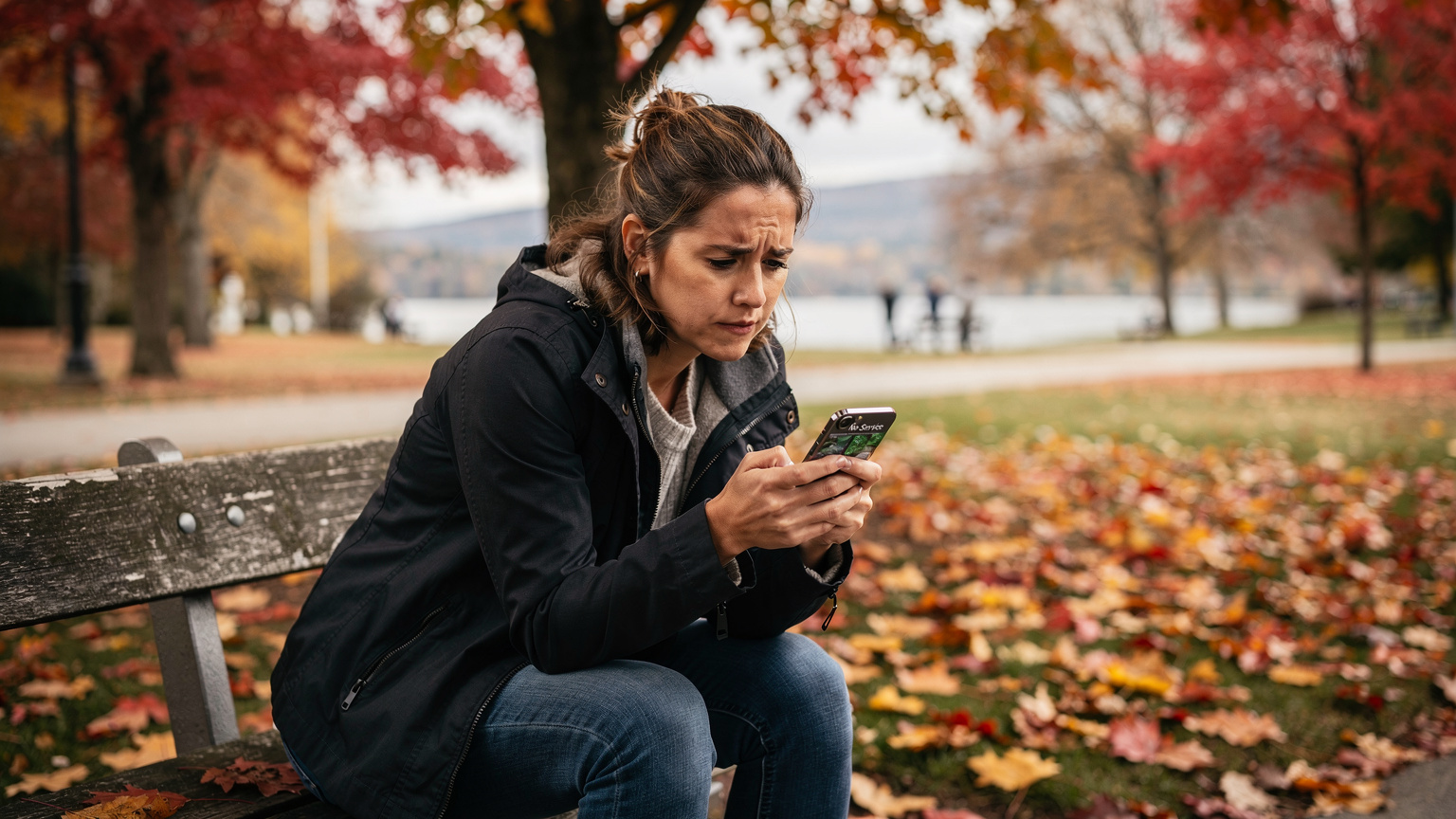
Even the most seasoned traveler encounters a tech hiccup or two. While eSIMs are generally reliable, knowing how to quickly troubleshoot common issues can save you a lot of stress. I've been there, staring at a 'No Service' message in a foreign country, heart sinking. It's usually something simple.
No Service or Slow Data Speed
- Restart Your Phone: The oldest trick in the book, but often effective. A quick reboot can resolve minor network glitches.
- Check APN Settings: Sometimes, especially with certain Android devices, the Access Point Name (APN) settings might need manual configuration. Your eSIM provider will typically include these details in their activation instructions.
- Toggle Airplane Mode: Turning Airplane Mode on for 30 seconds and then off can force your phone to search for a new network connection.
- Manual Network Selection: Go to your phone's cellular settings and try manually selecting a network operator from the available list. If your eSIM uses, say, both AT&T and T-Mobile in the US, try switching between them.
eSIM Not Activating
- Stable Wi-Fi Connection: Ensure you have a strong, stable Wi-Fi connection when attempting to activate. This is critical for the QR code scan and download process.
- Correct QR Code: Double-check that you're scanning the correct QR code provided by your eSIM carrier. If it's blurry, try a manual input if available.
- Contact Support: If all else fails, reach out to your eSIM provider's customer support. They can often re-send activation codes or walk you through the process. Remember, they can also help you find your eSIM number if needed for support.
Data Running Out Too Quickly
- Background App Refresh: Limit background app refresh for data-hungry apps like social media and streaming services.
- Wi-Fi Assist/Smart Network Switch: Turn off features like Wi-Fi Assist (iOS) or Smart Network Switch (Android) that might automatically switch you to cellular data even when Wi-Fi is available.
- Monitor Data Usage: Regularly check your phone's data usage statistics (Settings > Cellular/Mobile Data) to identify which apps are consuming the most data.
eSIMs for the Digital Nomad, Autumn Edition
For those of us whose office changes as often as the seasons, autumn in New England or Canada offers a beautiful backdrop for remote work. Whether you're settling into a cozy cafe in Old Montreal or a quiet cabin overlooking Lake Placid, an eSIM is a non-negotiable tool. It provides the freedom to work from almost anywhere, ensuring you're never tethered to a dodgy hotel Wi-Fi network.
Reliable Connectivity for Remote Work
As a tech editor, I'm constantly testing devices and connectivity solutions. When I'm on the road, a stable internet connection isn't a luxury; it's a necessity. An eSIM provides that stability, often offering better speeds and reliability than public Wi-Fi. This is crucial for video calls, uploading large files, or simply staying in touch with colleagues. I've spent many an hour working from cafes in places like Newport, Rhode Island, relying solely on my eSIM for my laptop's internet via hotspot, which often performs better than a shared Wi-Fi network.
Managing Multiple Devices with eSIM Hotspotting
Most eSIM plans allow for mobile hotspotting, turning your phone into a portable Wi-Fi router. This is incredibly useful for connecting your laptop, tablet, or even a travel companion's phone. Just be mindful of your data allowance, as hotspotting can consume data quickly. Some Cellesim plans even offer eSIMs for PC, providing a direct solution for laptops with built-in eSIM functionality, though mobile hotspotting remains a popular and versatile option.
Long-Stay eSIM Options for Extended Fall Getaways
If you're planning an extended stay, perhaps a month-long immersion in Quebec's Eastern Townships or an entire autumn in New Hampshire, look for eSIM plans with longer validity periods (30+ days) and higher data caps. Some providers offer monthly rolling plans that can be renewed, similar to what you might consider for a long stay in the Galápagos. This avoids the hassle of frequent top-ups and often provides better value per gigabyte. Always check the terms for auto-renewal or data rollover options.
Final Thoughts on Your Autumn eSIM Adventure
Autumn in New England and beyond is a truly special time, a kaleidoscope of colors and experiences that deserves your full attention, not your frustration over a dropped call or a stalled map. By embracing eSIM technology, you're not just buying data; you're investing in peace of mind, flexibility, and the freedom to truly immerse yourself in the beauty of the season. No more waiting in line at a phone store in a tiny town in rural Maine, hoping they understand your request for a data package. Just seamless connectivity, from the moment you scan that QR code.
So, as you plan your route along scenic drives, book your stay at that charming B&B in Vermont, and mark your calendar for the apple-picking festivals, remember to sort out your data first. A Cellesim eSIM ensures that your autumn 2026 adventure will be connected, convenient, and utterly unforgettable. Happy leaf peeping, and enjoy every byte of your journey.
Frequently Asked Questions
What is the best eSIM for fall foliage trips in New England?
For New England fall foliage trips, Cellesim's North America plans offer robust coverage across the US and Canada by leveraging major local networks. Look for plans with 10-20 GB of data for 15-30 days to cover navigation, photo sharing, and festival updates. Providers like Airalo and Holafly also offer competitive options.
Can I use one eSIM for both the US and Canada during my autumn trip?
Yes, many eSIM providers offer regional North America plans that cover both the United States and Canada. These are ideal for itineraries that involve crossing the border, ensuring continuous connectivity without needing separate eSIMs. Always confirm the specific countries included in the plan before purchase.
How much data do I need for a week-long fall festival trip?
For a week-long fall festival trip, a data plan of 5-10 GB is generally sufficient. This allows for navigation, checking festival schedules, light social media sharing, and communication. If you plan on heavy streaming or extensive hotspotting, consider a larger plan or an unlimited data option.
What if I lose signal in rural areas of New England?
Rural areas, especially mountainous ones, can have spotty coverage even with an eSIM. Always download offline maps (e.g., Google Maps) for your intended route. If you lose signal, try restarting your phone or toggling airplane mode. Choosing an eSIM that utilizes multiple network partners can also improve chances of connectivity.
Can I hotspot my laptop to my eSIM while working remotely in New England?
Most eSIM plans support mobile hotspotting, allowing you to connect your laptop or other devices to your phone's data. This is an excellent option for remote work. Be mindful of your data consumption, as hotspotting can use data quickly, and ensure your chosen eSIM plan has a sufficient data allowance for your work needs.
When is the best time to activate my eSIM for an autumn trip?
It's best to activate your eSIM before you depart, while you still have a stable Wi-Fi connection at home or at the airport. This ensures you're connected the moment you arrive at your destination, avoiding any activation hassles while on the go or in an unfamiliar area without Wi-Fi access.