
Cosmote eSIMs for Greece in 2026 offer local connectivity through their tourist plans, but they often require you to activate them in a physical store. Global travel eSIMs, on the other hand, let you set them up digitally and instantly, often working in multiple countries. This makes travel eSIMs a more convenient choice for most short-term visitors.
Ultimately, the best option for you depends on how long you're staying, how much data you expect to use, and how much you want to deal with administrative tasks right after you land.
Greece Calling: Cosmote eSIM for the Modern Traveler
Stepping off the plane at Athens International, the first thing on my mind, after finding a decent coffee, is always connectivity. It's not just about sharing those first stunning photos of the Parthenon. It's about navigating the labyrinthine streets of Anafiotika, checking the next Metro schedule (Line 3, heading towards Dimotiko Theatro, usually), or confirming a reservation for dinner in Psyrri.
For decades, this meant wrestling with tiny SIM cards, often at airport kiosks with exorbitant prices, or trying to explain data packages in broken Greek. Then came eSIMs, a true godsend for anyone whose phone, like my iPhone 14, now skips the physical SIM tray entirely. In Greece, Cosmote is the dominant player, and their eSIM offerings are certainly an option, but are they the best for a traveler?
My last trip through the Peloponnese, winding from Nafplio to Monemvasia, highlighted this perfectly. I needed reliable data for GPS, for translating menus in small tavernas, and for the occasional emergency WhatsApp call. The choice was clear: wrangle a local SIM upon arrival, or pre-load a travel eSIM. Both have their merits, of course, but convenience often sways my decision, especially when I'm tired from a long flight and just want to get to my hotel in Kolonaki.
The Shifting Landscape of Connectivity in Greece
Greece, like much of Europe, has embraced eSIM technology. Operators like Cosmote, Vodafone Greece, and Nova (formerly Wind Hellas) all offer eSIMs for their local subscribers. For tourists, however, the landscape can be a little less straightforward. While local physical SIMs for tourists have always been available, getting an eSIM for visitors often comes with a few more hoops to jump through. It's a classic case of local convenience versus global accessibility, a dilemma many AT&T users abroad face when comparing options.
What is a Cosmote Tourist eSIM and How Does it Work?
Cosmote, Greece's largest mobile network operator, does offer eSIMs. However, their tourist-specific eSIM plans are designed slightly differently from what a local might get. These aren't typically something you can just download from an app before you land. My experience with local carriers around the world often involves an in-person visit.
The In-Store Experience and Paperwork
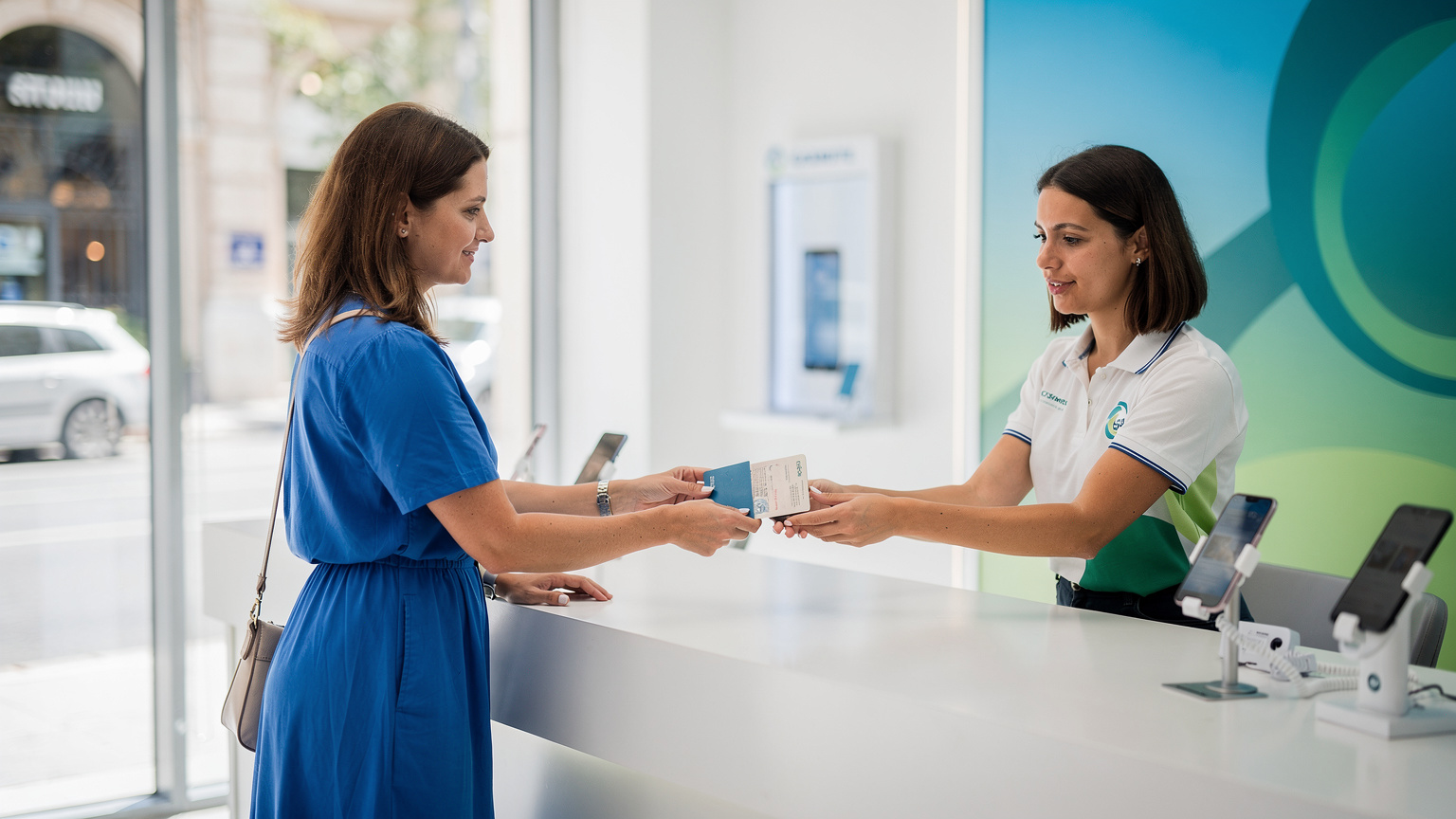
If you opt for a Cosmote tourist eSIM, be prepared for a visit to a Cosmote shop. You'll find these in major cities like Athens (the one near Syntagma Square is usually bustling) and Thessaloniki, as well as in larger towns on popular islands. When I tried to get a local SIM in Crete a few years back, I spent a good hour in a shop in Heraklion, needing my passport and hotel address. For an eSIM, the process is similar. You'll need:
- Your Passport: Essential for identification and registration, a requirement by Greek law for all SIM card activations.
- A Valid Address in Greece: Your hotel or Airbnb address will suffice.
- An eSIM-Compatible Device: Most modern smartphones from Apple (iPhone XS and newer), Samsung (Galaxy S20 and newer), and Google Pixel lines support eSIM.
- Patience: Depending on the queue and the staff's English proficiency, it can take anywhere from 15 minutes to an hour to get everything set up and activated.
Once registered, the Cosmote staff will provide you with a QR code or guide you through the activation process directly on your phone. You'll then usually choose from a prepaid data package specifically for tourists. These often come with a set amount of data, some calls, and a validity period, typically 15 or 30 days. It's similar to how some providers in the US handle their visitor plans, as outlined in guides like the USA eSIM for Families.
Top-Up Options and Validity
Should you need more data, topping up a Cosmote tourist eSIM is generally straightforward. You can usually do this at any Cosmote store, kiosks, or even through their website or app, though the latter might require a Greek payment method or some navigation in Greek. Keep an eye on the validity period. Once it expires, your data will cease, and you'll need to purchase a new plan or reactivate your existing one.
The Case for a Global Travel eSIM in Greece
Now, let's talk about the alternative: a dedicated travel eSIM from a global provider like Cellesim. This is my go-to for most trips these days, especially when I'm island hopping or planning a broader European adventure, perhaps even incorporating a visit to the Paris 2026 Olympics after my Greek sojourn. The primary advantage here is sheer convenience.
Instant Activation, Anywhere, Anytime
With a travel eSIM, you purchase and activate your plan entirely online, often before you even leave home. This means no scrambling at the airport, no language barriers, and no waiting in lines. I once arrived in Delhi late at night, and the thought of finding a shop open at 2 AM was daunting. With a pre-activated eSIM, I had data the moment I landed, which allowed me to book a reputable taxi instantly and avoid the usual airport touts.
You simply choose a plan, pay online, receive a QR code via email, and scan it with your phone. The profile downloads in minutes, and you're good to go. Most reputable providers also offer robust customer support, often 24/7, should you encounter any issues.
Flexibility and Multi-Country Coverage
Many travel eSIMs offer plans that cover multiple countries, which is incredibly useful for those exploring more than just Greece. If your itinerary includes a ferry from Piraeus to Italy, or a flight to another EU country, a single multi-country eSIM can keep you connected across borders without needing to buy new plans. This is a significant advantage over a single-country local eSIM. It's a far cry from the old days of swapping physical SIMs at every border crossing, a logistical nightmare.
Cosmote vs. Travel eSIM: A Side-by-Side Showdown for 2026
Let's break down the key differences to help you decide for your 2026 trip.
| Feature | Cosmote Tourist eSIM | Global Travel eSIM (e.g., Cellesim) |
|---|---|---|
| Activation Process | In-person at a Cosmote shop, requires passport and local address. | Online purchase, instant QR code activation, no ID required. |
| Availability | Upon arrival in Greece, during shop operating hours (typically Mon-Fri 9:00-21:00, Sat 9:00-20:00, closed Sundays). | Anytime, anywhere, before or during your trip. |
| Coverage | Excellent 4G/5G coverage throughout Greece, including islands, leveraging Cosmote's robust network. | Utilizes local Greek networks (often Cosmote, Vodafone, or Nova), sometimes with multi-country roaming. |
| Pricing Structure | Prepaid packages, often with fixed data, calls, and SMS for a specific duration. Generally perceived as good value for longer stays. | Flexible packages, data-only, or with calling apps, varying data amounts and durations. Often competitive for shorter stays or specific data needs. |
| Multi-Country Use | Primarily for use within Greece. EU roaming might be included, but limited. | Many plans offer seamless roaming across multiple European countries (e.g., Schengen area). |
| Customer Support | In-store support during business hours, phone support in Greek/English. | Often 24/7 online chat/email support in multiple languages. |
Activation Headaches and Smooth Setups
The activation process is often the first hurdle for travelers, and it's where the two options diverge significantly. I remember a particularly frustrating afternoon in Rome trying to get a TIM SIM card. The store was packed, the staff were overwhelmed, and my Italian was rudimentary at best. It took nearly an hour to get connected, an hour I would have rather spent exploring the Borghese Gallery.
Activating a Cosmote Tourist eSIM
Here’s a typical step-by-step for a local eSIM:
- Locate a Cosmote Store: Use Google Maps to find the nearest store. In Athens, there are several in the city center, including one on Ermou Street in the shopping district.
- Gather Your Documents: Have your physical passport ready. Digital copies are often not accepted.
- Request a Tourist eSIM Plan: Clearly state you are a tourist and need an eSIM. They'll guide you through available prepaid plans.
- Complete Registration: Fill out any required forms and provide your passport for scanning.
- Receive and Scan QR Code: The staff will either print a QR code or display it on a screen for you to scan with your phone's camera via Settings > Mobile Data > Add eSIM.
- Confirm Activation: Wait for the eSIM profile to download and activate. Test your connection immediately.
Activating a Travel eSIM for Greece
The process for a travel eSIM is designed for minimal friction:
- Choose Your Plan Online: Visit a travel eSIM provider's website, like Cellesim, and select a data plan for Greece or Europe.
- Purchase and Receive QR Code: Complete the secure online payment. You'll instantly receive an email with your eSIM QR code.
- Scan and Activate: On your eSIM-compatible phone, go to Settings > Mobile Data > Add eSIM (or similar, depending on your device). Scan the QR code. If you're looking for more general eSIM options, the process is largely identical.
- Enable Data Roaming: For some travel eSIMs, you might need to ensure Data Roaming is toggled ON for that specific eSIM profile in your phone's settings.
- Connect: Your phone should automatically connect to a local network, providing you with immediate data access.
This digital-first approach means you can be connected before you even land, ensuring you have navigation and communication from the moment your plane touches down at Eleftherios Venizelos.
Data Needs and Fair Usage Policies, What's the Deal?
How much data do you really need? And what are the rules around it? These questions weigh heavily on any frequent traveler's mind.
Cosmote Tourist Plan Data and Limitations
Cosmote's tourist plans typically come with generous data allowances, often in the range of 10GB to 25GB, valid for 15 to 30 days. They usually include some domestic calls and SMS, which can be useful if you need to contact a local tour operator or hotel. However, if you're a heavy streamer or relying on video calls back home, even 25GB can disappear quickly. I learned this the hard way during a month-long stint in Thailand, burning through 15GB in two weeks just uploading photos and streaming podcasts on the BTS Skytrain in Bangkok.
Fair Usage Policies (FUPs) are common. While not usually an issue for typical tourist data consumption, excessive use might see your speeds throttled, particularly if you're tethering multiple devices for extended periods.
Travel eSIM Flexibility and Data Packages
Travel eSIM providers offer a vast array of data packages, from small 1GB bundles for a quick weekend trip to 30GB+ plans for longer stays. Many are data-only, relying on VoIP apps like WhatsApp or Facetime for calls, which is perfectly fine for most modern travelers. (Who uses SMS anymore, really?)
| Data Package | Cosmote Tourist eSIM (Typical) | Global Travel eSIM (Example) |
|---|---|---|
| 5 GB | Often part of a larger, fixed bundle, maybe for 15-day validity. | Available as a standalone, flexible package, 7-30 days validity. |
| 10 GB | Standard offering for 15-30 days, includes calls/SMS. | Popular choice for 15-day trips, data-only, competitive pricing. |
| 20 GB+ | Premium tourist package for longer stays, full features. | Available for heavy users or longer durations, often at a lower per-GB cost. |
The key here is choice. You can tailor your data precisely to your expected usage, rather than being locked into a predefined bundle. This can be more cost-effective for shorter trips or if you know you'll be largely reliant on hotel Wi-Fi.
Multi-Country Journeys and eSIM Flexibility
Greece is often just one stop on a grand European tour. This is where travel eSIMs truly shine.
Seamless Roaming Across Europe
If your itinerary takes you from the beaches of Mykonos to the canals of Venice, a multi-country travel eSIM will save you immense hassle. Many plans cover the entire Schengen Area, meaning you transition from Greece to Italy, France, or Germany without a second thought about your data. This is particularly appealing for extended trips or for those who like to keep their options open. Imagine crossing the border from Portugal to Spain on the Renfe train, and your data just keeps flowing. That's the dream.
Cosmote tourist eSIMs generally offer some EU roaming, but it's usually capped and might not be as generous as a dedicated multi-country plan. For instance, a 20GB Greek plan might only allow 5GB of roaming data in other EU countries before extra charges apply.
The Pain of Swapping SIMs: A Relic of the Past
I still wince remembering a trip through Southeast Asia where I had a different physical SIM for Vietnam, Cambodia, and Thailand. Not only was it a faff to swap them out (and invariably lose the tiny SIM ejector tool), but keeping track of different phone numbers and remaining balances was a constant mental load. eSIMs eliminate this completely. You can have multiple eSIM profiles stored on your phone and switch between them with a tap, keeping your primary number active for calls and texts while using the travel eSIM for data.
Cost Comparison: Getting the Most Bang for Your Euro
Price is always a factor. Let's look at how the costs stack up for a typical trip.
Cosmote Tourist Plan Pricing
As of late 2025, Cosmote tourist plans typically start around €15-€20 for 10-15GB over 15 days, going up to €25-€35 for 20-30GB over 30 days. These prices often include a small allowance for domestic calls and SMS. While seemingly a good deal, remember the opportunity cost of time spent activating it in-store. For a week-long trip, the initial outlay might feel high if you don't use all the bundled features.
Travel eSIM Pricing and Value
Travel eSIMs for Greece can vary widely. For a 10GB plan valid for 15 days, you might expect to pay €18-€25. However, there are often smaller, more affordable plans available, such as 5GB for 7 days at €10-€15, which can be perfect for shorter city breaks in Athens or a quick island escape to Santorini. The per-GB cost can sometimes be slightly higher for very small packages, but the convenience and flexibility often outweigh this. Plus, there are sometimes free eSIM trials available, which can be a good way to test the waters.
| Plan Type | Data | Validity | Approx. Price (EUR) | Key Benefit |
|---|---|---|---|---|
| Cosmote Tourist eSIM | 15 GB | 15 Days | €20 | Local number, calls/SMS included, strong local network. |
| Cosmote Tourist eSIM | 30 GB | 30 Days | €35 | Higher data, longer validity, good for extended stays. |
| Travel eSIM (Cellesim) | 5 GB | 7 Days | €12 | Instant activation, data-only, ideal for short trips. |
| Travel eSIM (Cellesim) | 10 GB | 15 Days | €22 | Good balance of data and duration, multi-country options. |
| Travel eSIM (Cellesim) | 20 GB | 30 Days | €30 | High data for heavy users, flexible, no in-person visit. |
Real-World Scenarios: Picking the Right eSIM for Your Greek Adventure
Let's consider a few traveler profiles.
The Weekend City Breaker: Athens & Thessaloniki
You're flying into Athens on a Friday morning, staying until Sunday evening. You need data for maps, ride-sharing apps (like Beat or Taxi app), social media, and quick searches for tavernas in Koukaki or Ladadika. You don't want to spend precious sightseeing time in a phone shop. For you, a travel eSIM with 5GB for 7 days is almost certainly the better choice. You activate it before you leave home, land with data, and focus on enjoying the city.

The Two-Week Island Hopper: Mykonos, Santorini, Crete
You're spending two weeks hopping between the Cycladic islands, maybe starting in Mykonos, moving to Santorini, and finishing in Crete. You'll need consistent data for booking ferries, finding hidden beaches, and keeping up with friends and family. This is where the choice gets a little nuanced. A Cosmote tourist eSIM with 15-20GB for 15 days could be excellent value, especially if you foresee making local calls (perhaps to a taxi from the port of Fira). However, if you prize instant connectivity and don't want to deal with a store visit, a comparable travel eSIM package (e.g., 10-15GB for 15 days) might still be preferable. The time saved could be spent exploring the Venetian harbor of Chania instead.
The Extended-Stay Explorer: Mainland and Beyond
You're planning a month-long deep dive into Greece, exploring archaeological sites in Olympia, hiking the Vikos Gorge, and maybe even a quick side trip to Albania. Here, a Cosmote tourist eSIM for 30 days with 30GB+ starts to look very competitive on price per gigabyte. The initial setup inconvenience is amortized over a longer stay. But if your 'beyond' includes multiple non-EU countries, or if you simply detest administrative tasks while traveling, a multi-country travel eSIM covering Europe and your other destinations might still win for sheer convenience and flexibility.
Tips for a Seamless eSIM Experience in Greece
No matter which option you choose, a few pointers can make your connectivity smoother.
Before You Go: Preparation is Key
- Check Device Compatibility: Ensure your phone supports eSIM. Most flagship phones from the last 3-4 years do, but it's always worth double-checking your model's specifications.
- Unlock Your Phone: If you're using a phone purchased through a carrier, make sure it's unlocked. A locked phone won't accept any new eSIM profile. This is a common pain point I've seen with travelers arriving in places like Tokyo, unable to use a local SIM on a carrier-locked device from home.
- Download Essential Apps Offline: Download Google Maps for Greece offline, along with any translation apps or travel guides. This saves data and acts as a backup.
- Understand Your Data Needs: Be realistic about how much data you'll use. Streaming video eats data faster than checking emails.
During Your Trip: Staying Connected
- Enable Data Roaming (if applicable): For most travel eSIMs, you'll need to enable data roaming for that eSIM profile in your phone's settings. For local SIMs, this is usually not required within the home country.
- Monitor Data Usage: Regularly check your data consumption through your phone's settings or the eSIM provider's app (if available).
- Keep Your Primary SIM Active: If you're using a travel eSIM for data, you can often keep your primary SIM active to receive calls or texts from home (though international roaming charges will apply for those). Set your default for mobile data to your eSIM.
- Find reliable Wi-Fi: Many cafes in Athens, especially in areas like Exarchia or Gazi, offer free Wi-Fi. It's a good way to save your data for when you really need it, like navigating the Athens Metro (operated by STASY and OASA) or catching a KTEL bus between cities.
Ultimately, whether you lean towards a Cosmote tourist eSIM or a global travel eSIM for your 2026 Greek adventure, the critical thing is to decide proactively. Don't leave it to chance when you land, hot and tired, at the airport. A little planning goes a long way towards a connected, stress-free trip, allowing you to fully immerse yourself in the beauty and history of Greece.
Frequently Asked Questions
Can I get a Cosmote eSIM for Greece before I arrive?
Typically, no. Cosmote's tourist eSIMs require in-person activation at a Cosmote shop in Greece, where you'll need to present your passport for registration. Global travel eSIMs, however, can be purchased and activated online before your trip.
Do Cosmote tourist eSIMs include international calls?
Cosmote tourist plans usually include a set amount of domestic calls and SMS within Greece. International calls are generally not included, but you can use data-based calling apps like WhatsApp or Facetime with your included data.
What documents do I need to activate a Cosmote eSIM?
You will need your physical passport for identification and registration, along with a valid local address in Greece (your hotel or accommodation address will suffice). Your phone must also be eSIM-compatible and unlocked.
Are travel eSIMs more expensive than local Cosmote eSIMs?
The cost can vary. For short trips or specific data needs, travel eSIMs can be more cost-effective due to flexible packages and instant activation. For longer stays with high data usage, a local Cosmote tourist eSIM might offer a lower per-gigabyte rate, but with the trade-off of in-store activation.
Can I use a travel eSIM for other European countries after Greece?
Yes, many global travel eSIM providers offer multi-country plans that cover Greece and other European nations (often within the Schengen Area). This allows for seamless connectivity across borders without needing new eSIMs for each country.
What happens if I run out of data on my Cosmote tourist eSIM?
If you run out of data, your internet access will cease. You can usually top up your plan at any Cosmote shop, kiosks, or sometimes online via their website or app, though online options might require a Greek payment method.