

The Festival Connectivity Dilemma: Don't Get Caught Out
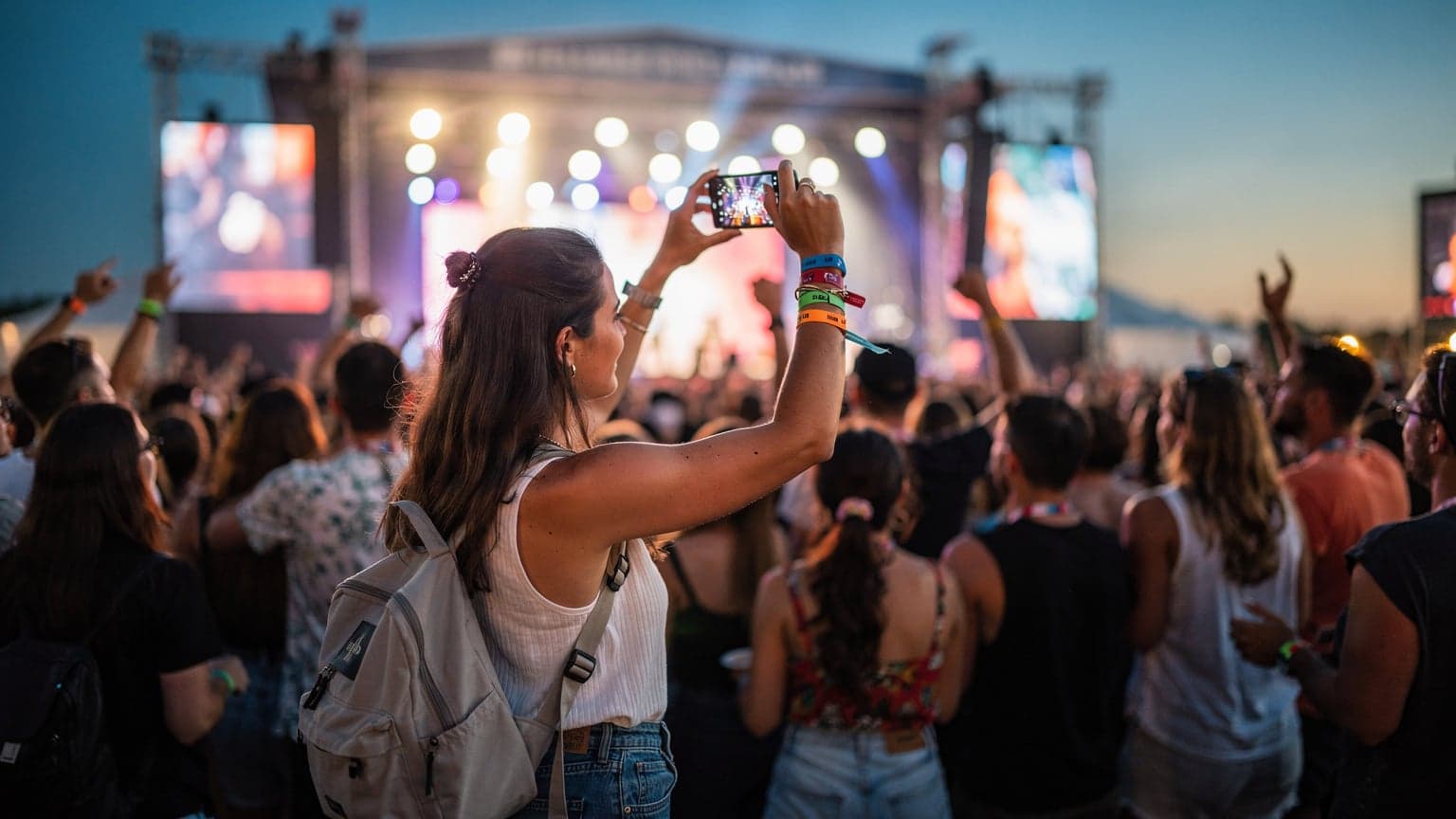
Let's be real, you're not going to a festival to scroll TikTok. You're going for the music, the atmosphere, the shared experience. But that doesn't mean you want to be completely off-grid. Finding your mates after a set, sharing a quick video of that insane light show, or just checking the stage times for the next act, it all requires data. The problem? Festivals are notorious for network congestion. Thousands of people, all trying to do the same thing, can bring even robust networks to their knees. Your domestic roaming plan? Forget it, that's a one-way ticket to a bill shock that'll make your eyes water more than the mosh pit. I've seen friends get charged €100+ for just a few days of light usage because they didn't check their roaming rates. Don't be that friend.
The alternative, a local SIM, is often cheaper, but finding one can be a trek. Imagine arriving in Barcelona for Primavera Sound, exhausted after a budget flight, and your first mission is to navigate the city to find an Orange or Vodafone store that isn't swamped. Then you're dealing with activation, ID checks, and trying to explain in broken Spanish that you just need 10GB for a week. Not ideal. This is where the eSIM really shines, especially for the budget traveler who values every minute, and every euro.
The Hidden Costs of Festival Connectivity: Roaming Nightmares
Your home carrier, bless its heart, usually offers some kind of international roaming. Most of the time, it's a rip-off. We're talking €5-€10 per day for a paltry few hundred megabytes, which you'll blow through before the first headliner even hits the stage. I learned this the hard way at Sziget Festival in Budapest, back when eSIMs were a distant dream. My €40 for two weeks of data quickly became €150 because I forgot to switch off data roaming on day one. Ouch. Always, always, check your data roaming settings before you leave your home country, and if you're not going with an eSIM, just turn it off.
Why Public Wi-Fi is a False Economy and a Security Risk
Sure, many festivals offer free Wi-Fi zones. Great in theory, useless in practice. These networks are usually slammed, slow, and unreliable. You'll spend more time trying to connect than actually using it. Plus, public Wi-Fi, especially at large events, is a playground for cybercriminals. Identity theft, data breaches, all a real risk when you're logging into banking apps or social media on an unsecured network. Your festival budget definitely doesn't include a new identity or recovering stolen funds. Stick to your own secure data connection.
eSIM vs. Local SIM Card: The Budget Showdown
Alright, let's get down to brass tacks: what's cheaper and more convenient? For a long time, the undisputed champion of budget connectivity was the local physical SIM card. You land, you hit up a corner shop, and for €10-€20, you've got a decent chunk of data for a week. That's still a solid option, especially if you're staying in one country for an extended period and don't mind the legwork. Vodafone, Orange, Telefónica, these are the giants, and their local deals are usually quite competitive. For example, in Spain, you can get 20GB on Orange for around €15 for a month, which is hard to beat.
However, festival travel often means bouncing between countries. One week in Belgium for Tomorrowland, the next in Portugal for NOS Alive. Swapping physical SIMs at every border crossing is a pain, and you risk losing your tiny home SIM. This is where eSIMs pull ahead. They offer the flexibility of a local SIM without the physical hassle, often at a comparable price point, especially for multi-country European plans. No more fumbling with a SIM ejector tool at customs. Just activate and go. For an iPhone user in Europe, the convenience is undeniable.
| Feature | eSIM (e.g., Cellesim) | Local Physical SIM | Home Carrier Roaming |
|---|---|---|---|
| Cost (per GB, approximate) | €1-€3 | €0.50-€2 | €5-€10 |
| Convenience | High, digital activation | Medium, store visit required | High, automatic (but costly) |
| Multi-Country Use | Excellent, single plan | Poor, requires new SIM per country | Good, but exorbitant |
| Activation Time | Minutes (pre-purchase) | 30-60 minutes (store visit, registration) | Instant |
| Risk of Losing SIM | None | High | None |
When the Local SIM Still Wins: A Niche Case
If you're doing a deep dive into one specific country for a month or more, and your data needs are genuinely massive (think 50GB+), a local physical SIM might still edge out an eSIM on price per GB. For instance, if you're spending a month in Lisbon, a NOS or MEO SIM for €20-€30 could get you more data than a comparable regional eSIM. But that's a rare scenario for the typical festival hopper. For the average 7-10 day festival trip, with perhaps a few days of inter-festival travel, the eSIM is the undisputed king of convenience and often just as cost-effective.
Border-Crossing Edge Cases and What to Watch For
Here's a tactical tip: when you're hopping borders, especially between EU and non-EU countries, your home SIM (if you're still using it for calls) might jump to an expensive roaming partner. This happened to me crossing from France to Switzerland for Paléo Festival. My phone auto-connected to a Swiss carrier, and even though I had an eSIM for data, background app refreshes on my primary line started racking up charges. Always set your primary SIM to 'no data roaming', and ensure your eSIM is the default for cellular data. This is crucial for avoiding unexpected bills. It's also worth noting that some countries, like Serbia or Albania, are not part of the EU's 'Roam Like Home' zone, so an EU-wide eSIM won't cover them. Always check the eSIM's coverage map.
Choosing Your eSIM Plan: Data Needs and Money-Saving Math
This is where the budget backpacker in me really comes out. You need to know your data usage. Don't just grab the biggest plan, because unused data is wasted money. Over my 200+ hostel stays, I've seen people buy 50GB plans for a week, only to use 5GB. That's cash you could have spent on a better hostel or an extra beer. Calculate your needs. A typical festival day involves a lot of messaging (WhatsApp, Messenger), some map usage (getting to the festival, finding stages), a few social media updates (Instagram stories, TikToks), and maybe a quick video call to check in with family. Streaming music or movies? Save that for your hostel's Wi-Fi.
My personal rule of thumb for festival data: 2-3GB per festival weekend (3-4 days) is usually sufficient if you're smart. If you're there for a full week, aim for 5-8GB. Let's do the math: if you use 1.5GB/day for 4 days, that's 6GB. A Cellesim Europe plan for 10GB over 30 days might cost you €39. That's €3.90/GB. If you only use 6GB, your effective cost is €39, or €6.50/GB. See how buying more than you need inflates the real cost per GB? Always aim for a plan that aligns with your actual usage, not just the biggest number.
Data Consumption Benchmarks: What Really Eats Your Gigabytes
Understanding what sucks up data is key to managing your budget. Here’s a quick breakdown:
- Streaming Video (YouTube, Netflix): 1GB per hour (standard definition), 3GB per hour (HD). Avoid at all costs on mobile data.
- Video Calls (WhatsApp, FaceTime): 300-500MB per hour. Keep them short and sweet.
- Social Media (Instagram, TikTok): 100-300MB per hour, especially with video heavy feeds. Download stories and reels when on Wi-Fi.
- Music Streaming (Spotify, Apple Music): 40-150MB per hour (depending on quality). Download playlists offline before you go.
- Messaging (WhatsApp, Messenger): Very low, usually less than 1MB per hour for text.
- Maps (Google Maps, Apple Maps): 5-10MB per hour for navigation, more for exploring. Download offline maps for your festival area.
Comparing eSIM Providers: Finding the Best Value
The market for eSIMs is getting crowded, which is great for us budget-conscious travelers. Cellesim offers competitive pricing and good coverage. Other providers like Airalo or Holafly also have various plans. Always compare:
- Price per GB: The most important metric.
- Validity Period: Does it cover your entire trip, or will you need to top up?
- Coverage Area: Does it cover all the countries you'll be visiting? A regional Europe plan is usually best for festivals.
- Top-up Options: Can you easily add more data if you run out, or do you have to buy a whole new plan?
| Provider | Plan Example (Europe) | Price/GB (approx.) | Pros | Cons |
|---|---|---|---|---|
| Cellesim | 10 GB / 30 Days | €3.90 | Excellent coverage, competitive pricing, easy top-ups | No unlimited plans for Europe |
| Airalo | 10 GB / 30 Days | €4.50 | Wide range of plans, good app | Can be slightly pricier for larger plans |
| Holafly | Unlimited Data / 15 Days | N/A (unlimited) | Truly unlimited data, peace of mind | Higher upfront cost, no hotspot/tethering usually |
Activation on the Go: Setting Up Your eSIM at the Border or Airport
This is where the eSIM truly earns its stripes for convenience. No more hunting for a local SIM at Charles de Gaulle or waiting in line at a Vodafone shop near Berlin Hauptbahnhof. You can purchase your eSIM days, or even weeks, before you travel. I usually buy mine a day or two before departure. It's one less thing to worry about when you're already juggling tickets, passports, and trying to remember if you packed enough dry shampoo.
Pre-Departure eSIM Setup: A Step-by-Step Guide
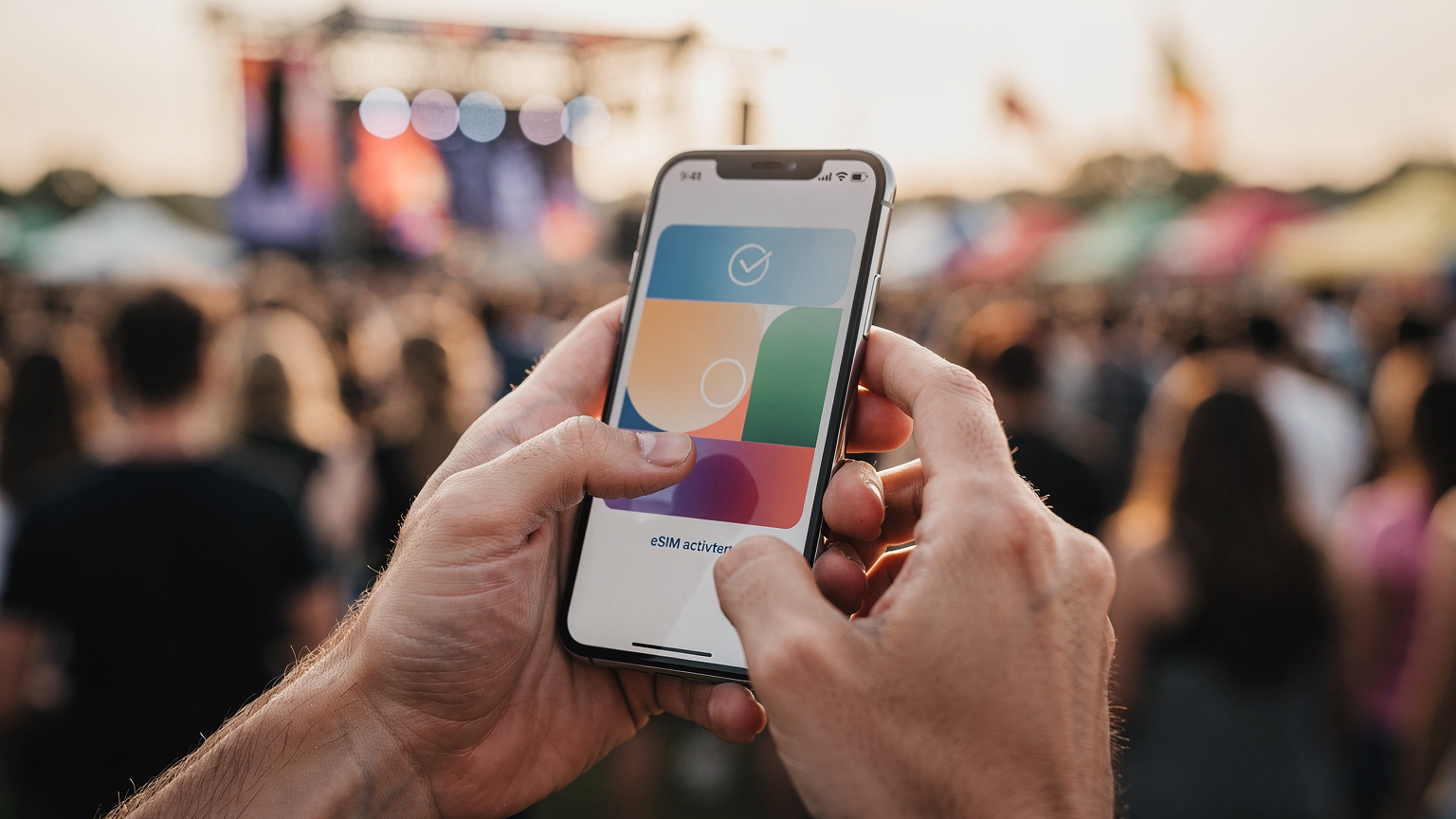
Setting up your eSIM before you even leave home is the smart play. That way, as soon as you land, your phone connects, and you're good to go. No stress, no searching for Wi-Fi. Just instant connectivity.
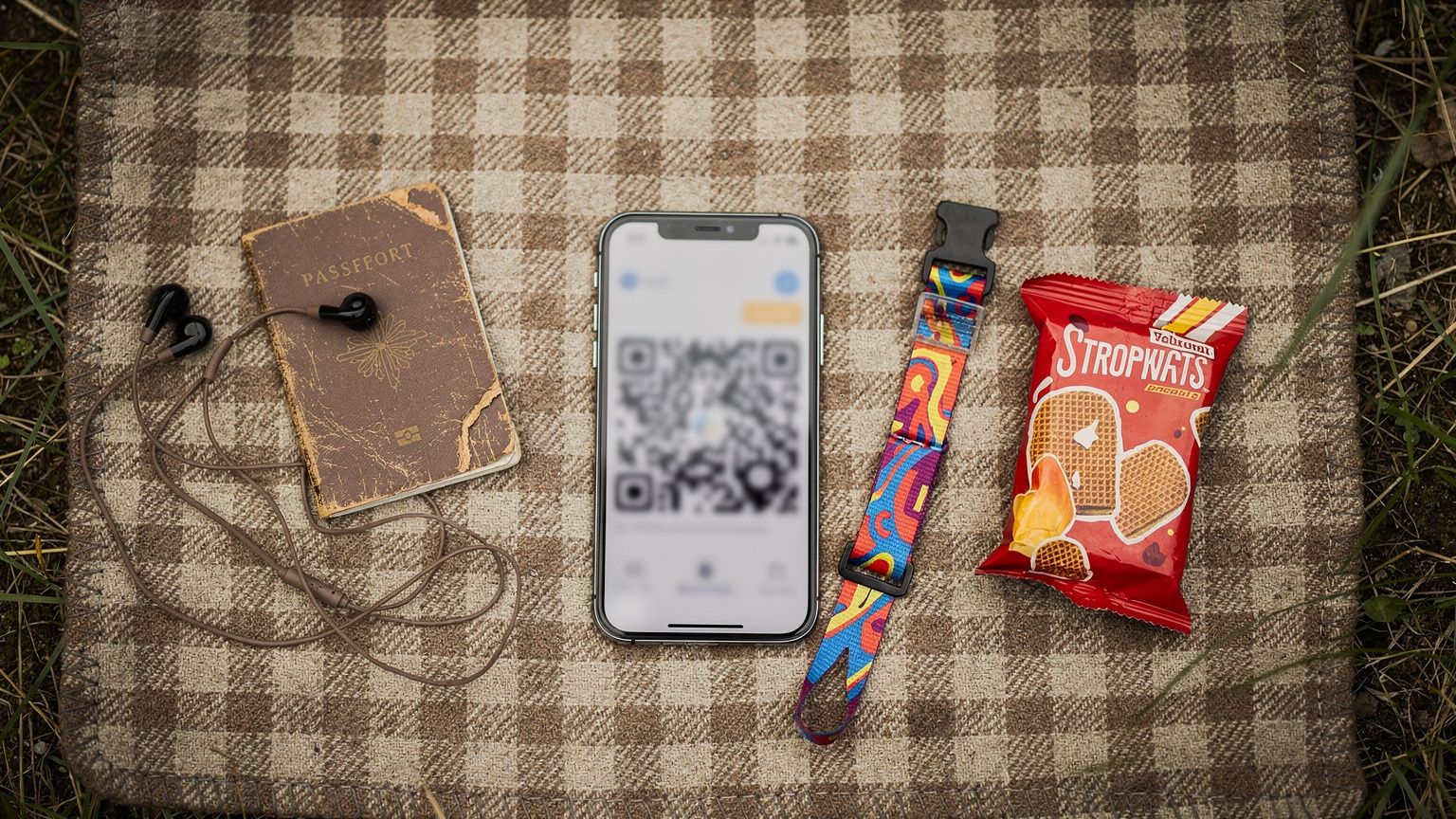
- Purchase Your eSIM Plan: Head to the Cellesim website (or app) and select your desired Europe-wide plan. Pay securely online. You'll receive an email with your QR code or manual activation details.
- Install the eSIM Profile (Home Wi-Fi): While still on your home Wi-Fi, go to your phone's Settings > Cellular (or Mobile Data) > Add eSIM. Scan the QR code or enter the details manually. Your phone will download the eSIM profile. Do NOT activate data roaming on it yet.
- Label Your eSIM (Crucial!): Immediately label your new eSIM something clear, like "Europe Festival Data" or "Cellesim EU". This prevents confusion with your home SIM. For finding your eSIM number or managing multiple profiles, clear labeling is essential.
- Disable Data Roaming on Home SIM: In your phone's settings, ensure your primary SIM's data roaming is OFF. You don't want any accidental charges.
- Arrive and Activate: Once you land in Europe, switch your phone to use the new "Europe Festival Data" eSIM for cellular data. Data roaming for this eSIM should be enabled. You should connect to a local network automatically within minutes.
Activating at the Border: Quick Tips for Seamless Connectivity
Sometimes you need to buy on the fly. Maybe your plans changed, or you just forgot. You can still buy and activate an eSIM right after crossing a border, assuming you have a momentary Wi-Fi connection (like at an airport or train station, or even using a friend's hotspot for a few minutes). The process is identical to the pre-departure setup. The key is to do it before you leave that initial Wi-Fi zone, as you'll need a connection to download the eSIM profile.

Real-World Scenarios: Staying Connected at Tomorrowland and Primavera Sound
Festival environments are tough on networks. Thousands of people, all trying to post, stream, and call at the same time. It's a recipe for dropped connections and slow speeds. But an eSIM gives you an edge. Why? Because you're connecting to local, primary networks, not relying on congested roaming agreements. Providers like Cellesim partner with major carriers, ensuring you get the best available signal.
Tomorrowland, Belgium: Navigating the DreamVille Chaos
Tomorrowland is massive. DreamVille, the camping area, is practically a small city. Getting separated from your group is almost guaranteed. You need reliable data to coordinate meet-ups. I've been there, trying to find friends near the Mainstage, with thousands of people around, and my phone refusing to load WhatsApp. With an eSIM connected to a local Belgian network (like Proximus or Orange Belgium), you'll have a much better chance. Don't forget to download the Tomorrowland app beforehand and mark your meeting points offline. Even with data, navigation can be slow with so many devices competing for bandwidth.
Primavera Sound, Barcelona: Urban Festival Connectivity
Primavera Sound in Barcelona takes over the Parc del Fòrum, a huge open-air venue. While you're in a city, the sheer number of attendees can still strain local networks. An eSIM ensures you're on a fast local network, leveraging the best available 4G/5G signal from operators like Vodafone Spain or Movistar. This is critical for real-time updates on set times, finding your way to that secret stage, or ordering a taxi (or more likely, navigating the metro) back to your hostel in El Raval or Gràcia after the last act. Remember, even in a city, signal can be spotty within dense crowds or near large structures.
Troubleshooting Common eSIM Issues: When the Beats Drop and Your Data Doesn't
Even with the best planning, sometimes things go sideways. Here are common eSIM issues and how to fix them, because nothing kills a festival vibe like a dead connection.
My eSIM Isn't Connecting, What Now?
- Check Data Roaming Settings: Ensure data roaming is ENABLED for your eSIM profile. This is the most common mistake.
- Verify APN Settings: Sometimes the APN (Access Point Name) needs to be manually set. Your eSIM provider (like Cellesim) will have instructions on their website or app. Go to Settings > Cellular > your eSIM > Cellular Data Network.
- Restart Your Phone: The classic fix. A simple restart can often resolve network registration issues.
- Toggle Airplane Mode: Turn airplane mode on for 30 seconds, then off. This forces your phone to re-scan for networks.
- Manually Select Network: Go to Settings > Cellular > your eSIM > Network Selection (or Carrier). Turn off automatic and manually select a local carrier (e.g., Vodafone, Orange, Telefónica).
- Contact Support: If all else fails, reach out to your eSIM provider's customer support. Have your eSIM details ready.
Slow Speeds and Intermittent Connectivity in Crowds
This is often a congestion issue, especially at large festivals. While an eSIM helps by giving you direct access to local networks, even these can be overwhelmed. Here's what you can do:
- Move to Less Densely Populated Areas: Step away from the main stage or the busiest food stalls. Sometimes a few meters can make a difference.
- Switch to 3G/4G (if 5G is struggling): In your phone settings, try selecting an older network standard. Sometimes 5G networks get so congested that 4G is actually faster due to less traffic.
- Temporarily Disable Background App Refresh: This frees up bandwidth for your active apps.
- Use Wi-Fi Calling (if available): If you manage to find a stable Wi-Fi spot, use Wi-Fi calling for clearer calls.
Data-Saving Hacks for the Frugal Festival-Goer
Every euro counts, right? Maximizing your data plan means being smart about how you use your phone. These tips have saved me countless euros over the years.
- Download Offline Maps: Before you even get to the festival, download Google Maps offline for the festival area and surrounding city. This saves huge amounts of data. Just search for the area, tap 'Download', and you're good.
- Download Content Over Wi-Fi: Movies, music, podcasts, even social media videos (if your app allows it). Download everything you might want to consume when you have free Wi-Fi at your hostel or a café. Spotify Premium and Netflix allow offline downloads.
- Disable Auto-Play Videos: Most social media apps have a setting to disable auto-play videos. This is a huge data saver.
- Restrict Background App Refresh: Go into your phone settings and turn off background refresh for apps that aren't critical. WhatsApp, for example, doesn't need to refresh every minute.
- Use Data Saver Mode: Both iOS and Android have a 'Low Data Mode' or 'Data Saver' option. Turn it on. It won't break your apps, but it'll limit background data usage and reduce image quality on some apps.
- Set Data Limits: Configure a data warning or limit in your phone's cellular settings. This is a lifesaver for tracking usage.
App Optimisation for Low Data Consumption
Some apps are just data hogs. Be mindful of them. For instance, Snapchat and TikTok are notorious for consuming data quickly due to their video-heavy nature. If you need to use them, do so sparingly, or only when you have Wi-Fi. Messaging apps like WhatsApp are generally very efficient for text, but video and voice calls will eat data faster. Check out our FAQ for more general data-saving tips.
Sharing the Vibe: Tethering and Group Data Strategies
You've got a killer eSIM plan, maybe even a larger one because you know you'll be the group's designated hotspot. Smart move. Tethering, or using your phone as a mobile hotspot, is a great way to share your data with friends, especially if they've foolishly relied on expensive roaming or a dead local SIM. Just be aware that sharing your connection will chew through your data faster, so monitor your usage.
How to Share Your eSIM Data with Friends
Most eSIM plans from Cellesim allow tethering without extra charges, but always double-check the plan details before you buy. Here's how to set it up:
- Enable Personal Hotspot: On your iPhone, go to Settings > Personal Hotspot. On Android, Settings > Network & Internet > Hotspot & Tethering > Wi-Fi Hotspot.
- Set a Strong Password: Make sure your hotspot has a strong, unique password. You don't want strangers leaching off your precious data.
- Limit Connected Devices: Only share with the friends who absolutely need it. The more devices connected, the slower the speed and faster the data drain.
- Monitor Usage: Keep an eye on your data consumption. Your phone's cellular settings will show you how much data your hotspot is using.
Group eSIMs: A New Frontier?
While dedicated 'group eSIM' plans aren't widely available yet, the trend is moving towards larger, more flexible data bundles. For now, the best group strategy is for one person to get a generous eSIM plan and share it, or for everyone to get their own smaller, individual eSIM. The comparison between Nomad and Cellesim often comes down to these kinds of use cases, with Cellesim often providing better value for multi-country Europe plans.
Beyond the Festival: eSIMs for Your Post-Rave Euro Trip
The festival might be over, but your European adventure probably isn't. An eSIM isn't just for crowded fields. It's your best friend for onward travel too. Whether you're recovering in a quiet hostel in Krakow, exploring the ancient streets of Rome, or taking a night bus from Berlin to Prague, consistent data is invaluable. You'll need it for booking trains (hello, FlixBus!), checking hostel availability, navigating new cities, and staying in touch with your travel crew.
Seamless Transitions: From Festival Grounds to City Breaks
One of the biggest perks of a regional eSIM is that it works across multiple countries. No need to buy a new SIM when you leave Belgium for Germany, or Germany for the Netherlands. Your Cellesim Europe plan will keep working across all eligible countries. This is especially useful for backpackers doing a multi-city European tour after a festival, as you won't waste precious time hunting for local SIMs in every new destination. Consider a longer-validity plan (e.g., 30 days) if your trip extends beyond the festival itself.
Budgeting for Your Entire Trip: Data Math for Extended Travel
If your festival trip turns into a month-long European odyssey, adjust your data math. For 30 days, a safe bet is around 15-20GB, assuming you're still leveraging hostel Wi-Fi. That's about 0.5-0.7GB per day. At Cellesim's rates, a 20GB/30-day plan would be incredibly cost-effective, probably around €50-€60, far cheaper than piecing together local SIMs or, heaven forbid, using roaming. For instance, an eSIM for Morocco will set you back about €20 for 10GB for 15 days, which gives you a sense of pricing for non-EU destinations. It's all about planning and making those euros stretch.
Final Thoughts: Festival Connectivity Done Right
Attending a European summer festival should be about making memories, not worrying about your phone bill. An eSIM is more than just a convenience, it's a strategic budget tool. It gives you the freedom to share those spontaneous moments, find your friends in a sea of people, and stay safe, all without the financial headache of roaming or the logistical nightmare of hunting for local SIMs. Prioritize Cellesim for your next European festival circuit. Your wallet, and your peace of mind, will thank you.
Frequently Asked Questions
How much data do I really need for a European music festival?
For a typical 3-4 day festival weekend, around 2-3GB of data should suffice if you're mindful of your usage. For a full week, aim for 5-8GB. This covers messaging, maps, social media updates, and limited video calls, assuming you download music/videos over Wi-Fi.
Are eSIMs reliable in crowded festival environments?
Yes, eSIMs connect you directly to local, primary cellular networks (like Vodafone, Orange, Telefónica). While any network can experience congestion at a massive festival, an eSIM typically offers better reliability and speeds than relying on your home carrier's roaming agreements or public Wi-Fi.
Can I use my eSIM in multiple European countries during my trip?
Absolutely. Most Cellesim Europe eSIM plans are designed for multi-country use across the EU and other eligible European nations. This means you can travel from a festival in Belgium to a city break in Italy without needing a new SIM or plan.
What's the cheapest alternative to an eSIM for festival data?
The cheapest alternative is usually a local physical SIM card purchased upon arrival in your first festival country. For example, a 20GB Orange SIM in Spain for €15 can be very cost-effective. However, this requires finding a store, dealing with activation, and swapping SIMs if you cross borders.
How do I avoid accidental roaming charges on my home SIM while using an eSIM?
Before you leave home, go into your phone's cellular settings and turn off 'Data Roaming' specifically for your primary, home SIM card. Then, ensure your newly activated eSIM is selected as the default for cellular data. This prevents your home carrier from incurring charges.
Can I share my eSIM data with friends via a mobile hotspot?
Yes, most Cellesim eSIM plans allow tethering or personal hotspot functionality without extra charges. This is a great way to share your data with friends at a festival, but remember that it will consume your data plan faster.
See also: Serbia eSIM
See also: Belgium eSIM