
The Dreaded $10/Day Verizon Tax: A Traveler's Tale
I remember landing at Charles de Gaulle a few years back, bleary-eyed, ready to navigate the RER into Paris's 10th arrondissement. My phone, a trusty iPhone XR at the time, immediately dinged with that familiar Verizon message: 'Welcome to France! TravelPass will activate with your first usage at $10/day.' Ten dollars. Every single day. For a two-week trip, that's $140 just for the privilege of checking Google Maps and messaging home, on top of what I was already paying for my monthly plan. It felt like a tax on being American abroad.
For years, this was the norm for many of us, a cost simply baked into the travel budget. I've had more than one panic attack trying to find a local SIM card shop in a foreign airport, only to discover it closed at 5 PM on a Saturday (hello, Narita Terminal 1, I'm looking at you). Or, worse, the tiny shop in a back alley of Kyoto's Gion district that only accepted cash, and my yen supply was dwindling. The thought of being untethered, unable to call a taxi via Grab in Bangkok's Sukhumvit or confirm a dinner reservation in Lisbon's Alfama, was enough to make me just swallow the daily fee.
But the world of travel connectivity has changed dramatically, especially with the rise of eSIM technology. It's not just about avoiding those eye-watering daily fees; it's about having control, flexibility, and peace of mind from the moment your plane touches down. No more fumbling with tiny physical SIM cards or hunting for obscure mobile stores. This shift, particularly for US travelers tied to carriers like Verizon, is a game-changer for 2026 and beyond.
Verizon's International Offerings: Breaking Down TravelPass and Monthly Plans
Verizon, like other major US carriers, has tried to adapt to the needs of global travelers, but their solutions often come with significant caveats. The two primary options they offer are TravelPass and specific international plans.
The Familiar Ring of TravelPass
TravelPass is Verizon's most common international roaming solution. It lets you use your existing domestic talk, text, and data allowances in over 210 countries and destinations for a daily fee. For most countries, this fee is $10 per 24-hour period. If you travel to Canada or Mexico, it's a slightly less painful $5 per 24-hour period. The catch, and it's a big one, is that the 24-hour period starts with your first usage, whether that's sending a quick text or just your phone refreshing background apps. And if you go over your high-speed data allowance (usually 0.5 GB per day, then throttled to 2G speeds), it can feel like you're paying for very little.
Verizon's Monthly International Plans
For longer trips or more frequent international travel, Verizon also offers monthly international plans. These usually come in a few tiers, offering a set amount of talk, text, and data for a fixed monthly price. For instance, a typical plan might offer 100 minutes, 100 sent texts, unlimited received texts, and 5 GB of high-speed data for around $70-$100 per month. While this might sound better than the daily $10, it's still often more expensive per gigabyte than what you'd find with an international eSIM, and once you exhaust that data, you're either paying for more expensive add-ons or dealing with painfully slow speeds.
| Feature | Verizon TravelPass | Verizon Monthly International Plan | Cellesim eSIM |
|---|---|---|---|
| Cost per Day/Month | $10/day (most countries), $5/day (CAN/MEX) | $70-$100/month (example) | Varies by plan, often $5-$30 for 7-30 days |
| Data Allowance | Uses domestic allowance, typically 0.5GB high-speed/day then 2G | 5GB-15GB high-speed/month (example) | 1GB-50GB high-speed (flexible) |
| Coverage | 210+ countries | Specific plan countries | 190+ countries & regions (local/regional/global) |
| Activation | Automatic on first usage or manual in app | Requires plan change via Verizon | QR code or manual entry, pre-purchase possible |
| Flexibility | Limited, pay daily even for light use | Monthly commitment, fixed data | Pay-as-you-go, choose data/duration |
The Hidden Costs and Inconveniences
Beyond the sticker price, there are other considerations. Verizon's plans often don't truly give you local speeds. You're still routing traffic through their international partners, which can mean slower connections than a local carrier. And the shock of an unexpectedly high bill upon returning home is a common travel nightmare, especially if you accidentally stream a video or forget to turn off data roaming on certain apps. I’ve seen friends return from a short trip to London's Notting Hill and find an extra $200 on their bill because they didn't realize their phone was chewing data in the background.
Cells and SIMs: Unpacking the eSIM Advantage for Global Travel
So, what exactly is an eSIM and why is it such a breakthrough? Think of it as a digital SIM card. Instead of needing a physical chip to insert into your phone, the eSIM is embedded directly into your device's hardware. This means you can store multiple eSIM profiles and switch between them with a few taps on your screen, without ever opening your SIM tray.
Why eSIMs are a Traveler's Best Friend
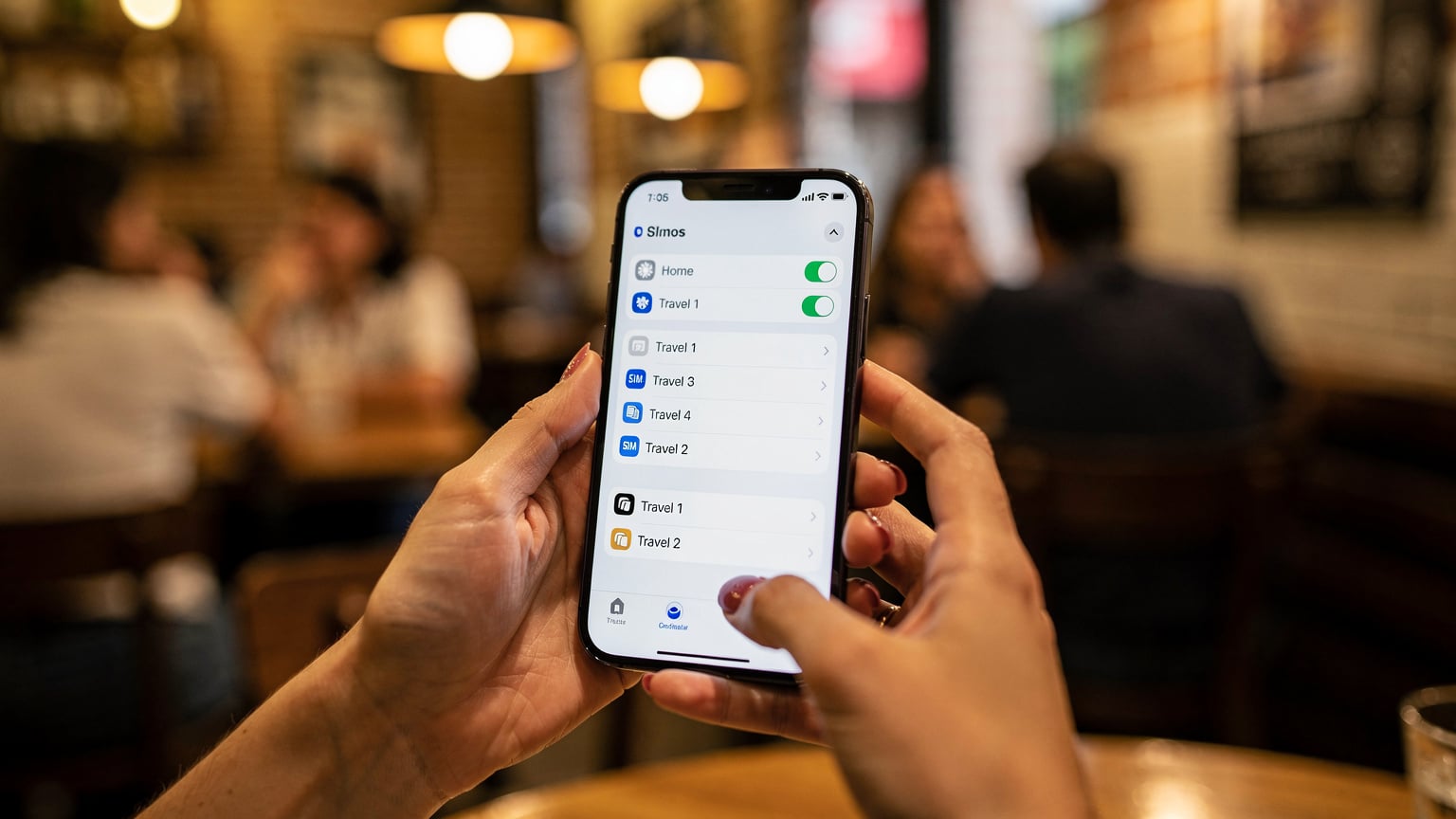
- No Physical Swapping: Forget the tiny SIM ejector tool, the lost SIM tray, or the panic of dropping your main SIM on the floor of a crowded train on the JR Yamanote Line. Your primary Verizon line stays active, and you simply enable your Cellesim eSIM for data.
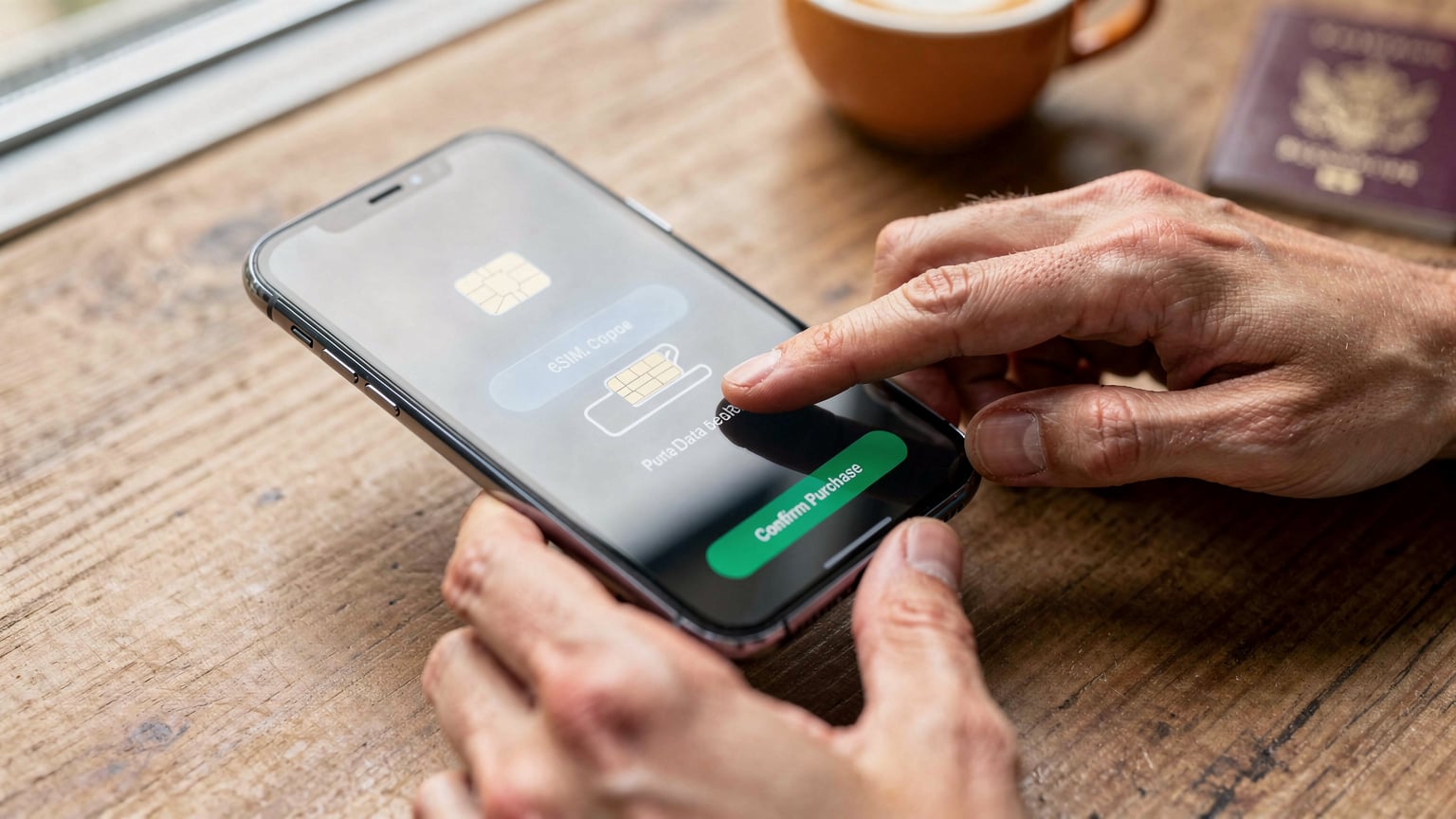
- Instant Activation: Purchase an eSIM plan online, receive a QR code, and activate it almost instantly. You can even set it up before you leave home, say, while sipping coffee in a cafe in Austin's South Congress neighborhood, and activate it the moment you land.
- Dual SIM Functionality: Most modern phones (iPhone 11 and newer, many Android models) support Dual SIM, meaning you can keep your Verizon number active for calls and texts (potentially on Wi-Fi calling) while using your Cellesim eSIM for all your data needs. This is crucial for staying in touch with contacts who only have your main number.
- Cost-Effective: eSIMs from providers like Cellesim typically offer much better per-gigabyte rates than traditional roaming plans, especially for international travel.
This technology is rapidly becoming the standard, particularly since Apple made the bold move to go eSIM-only with the iPhone 14 in the US. If you're using a newer device, you're already set up for this seamless transition. If you're still on the fence about the technology, you might find our guide on Prepaid SIM Card for International Travel vs. eSIM: The Smart Traveler's Guide helpful.
Cellesim's Global Reach and Flexible Data Packages
Cellesim isn't just another eSIM provider, it's built specifically with the modern traveler in mind. Their strength lies in their extensive network of local carrier partnerships and the sheer flexibility of their data packages.
Tailored for Every Journey
Whether you're backpacking through Southeast Asia, working remotely from a coworking space in Bali's Canggu, or taking a quick business trip to Frankfurt's financial district, Cellesim offers plans that fit. They understand that a quick weekend jaunt to Vancouver doesn't require the same data commitment as a month-long exploration of Japan's Kansai region.
- Local eSIMs: For single-country travel, these offer the best rates and often the fastest speeds, connecting you directly to a local network like NTT Docomo in Japan or Orange in France.
- Regional eSIMs: Planning a multi-country tour, perhaps hopping between London, Paris, and Berlin? A regional eSIM covering Europe will keep you connected across borders without needing to buy a new plan for each country. This is particularly useful for seamless journeys on operators like Deutsche Bahn, SNCF, or Eurostar.
- Global eSIMs: For the truly nomadic, Cellesim also offers global plans that cover dozens of countries, ideal for extended trips or frequent, varied international travel.
The beauty here is choice. You pick the data amount (from 1GB to 50GB or more) and the duration (from 7 days to 90 days), ensuring you only pay for what you need. Need to top up? It's usually just a few taps in the Cellesim app, no credit card hassles with a foreign vendor at a convenience store. I've been caught out in small towns in rural Thailand, desperately needing more data, and having the Cellesim app to instantly add another 5GB saved me from a very long, map-less walk back to my guesthouse.
The Money Talk: Comparing Costs, Verizon vs. Cellesim
This is where the rubber meets the road, or rather, where your wallet feels the relief. Let's look at a few common travel scenarios in 2026 and compare the costs head-to-head.
Scenario 1: A Two-Week Trip to Italy (Rome, Florence, Venice)
Imagine you're spending 14 days exploring the Eternal City, marveling at the Duomo, and gliding through Venetian canals. You need data for navigation, restaurant bookings, and sharing photos.
| Provider | Cost | Data Allowance | Notes |
|---|---|---|---|
| Verizon TravelPass | $10/day x 14 days = $140 | 0.5GB high-speed/day, then 2G | Activates automatically on first usage, can be costly for heavy users. |
| Verizon Monthly Plan | ~$70-$100 (example) | 5GB-15GB/month (example) | Monthly commitment, may over/under-shoot data needs for 14 days. |
| Cellesim Local Italy eSIM | ~$15-$25 | 5GB-10GB for 15-30 days | Prepaid, flexible plans, local speeds. |
Even with Verizon's monthly plan, Cellesim is likely to be significantly cheaper. With TravelPass, you're looking at a minimum of $140, and that's before any potential overage charges or slow 2G speeds. Cellesim gives you robust data for a fraction of that.
Scenario 2: A Month-Long Workcation in Thailand (Chiang Mai, Bangkok)
Let's say you're like me, working from a cafe in Chiang Mai's Nimmanhaemin neighborhood or a beach club in Phuket. You need reliable internet for Zoom calls and uploads, so 20-30GB of data over 30 days is a must.
| Provider | Cost | Data Allowance | Notes |
|---|---|---|---|
| Verizon TravelPass | $10/day x 30 days = $300 | 0.5GB high-speed/day, then 2G | Completely impractical for remote work due to data limits and cost. |
| Verizon Monthly Plan | ~$70-$100 (example) | 5GB-15GB/month (example) | Insufficient data for remote work, likely need costly add-ons. |
| Cellesim Local Thailand eSIM | ~$30-$50 | 20GB-30GB for 30 days | Designed for heavy usage, excellent value, local carrier speeds. You can also compare Cellesim vs. Airalo for Southeast Asia to find the best deal. |
For serious data users, the difference is stark. Verizon's options become prohibitively expensive and functionally inadequate. Cellesim, on the other hand, offers plans specifically designed for this kind of usage, making it a no-brainer for digital nomads.
Scenario 3: A Weekend Trip to Mexico City
A quick escape to explore the vibrant Coyoacán district and eat tacos. You need basic data for maps and WhatsApp.
| Provider | Cost | Data Allowance | Notes |
|---|---|---|---|
| Verizon TravelPass (Mexico) | $5/day x 3 days = $15 | 0.5GB high-speed/day, then 2G | Cheaper, but still adds up for a short trip. |
| Cellesim Mexico eSIM | ~$5-$10 | 1GB-3GB for 7 days | Often cheaper per GB and gives more data than TravelPass for a similar cost. |
Even for short trips to neighboring countries, Cellesim often provides more data for less money, allowing you to actually use your phone without constantly worrying about hitting a daily limit.
Activating Your eSIM: A Seamless Journey with Cellesim
One of the biggest hurdles people perceive with eSIMs is activation. It sounds technical, but Cellesim has streamlined the process to be incredibly user-friendly. I've set up dozens of eSIMs on various phones, from an old Google Pixel 4a to the latest iPhone 15, and the experience is usually smoother than ordering a coffee in a foreign language.
Before You Go: Pre-Travel Setup
I always recommend setting up your eSIM before you even leave home. This way, you're not scrambling for airport Wi-Fi (which, let's be honest, is rarely great or free) or dealing with connectivity issues when you need it most. You can purchase your Cellesim eSIM plan days or weeks in advance.
- Choose Your Plan: Visit the Cellesim website (or app) and select your destination (e.g., Japan, France, or a regional plan for Europe). Pick the data amount and duration that best fits your trip.
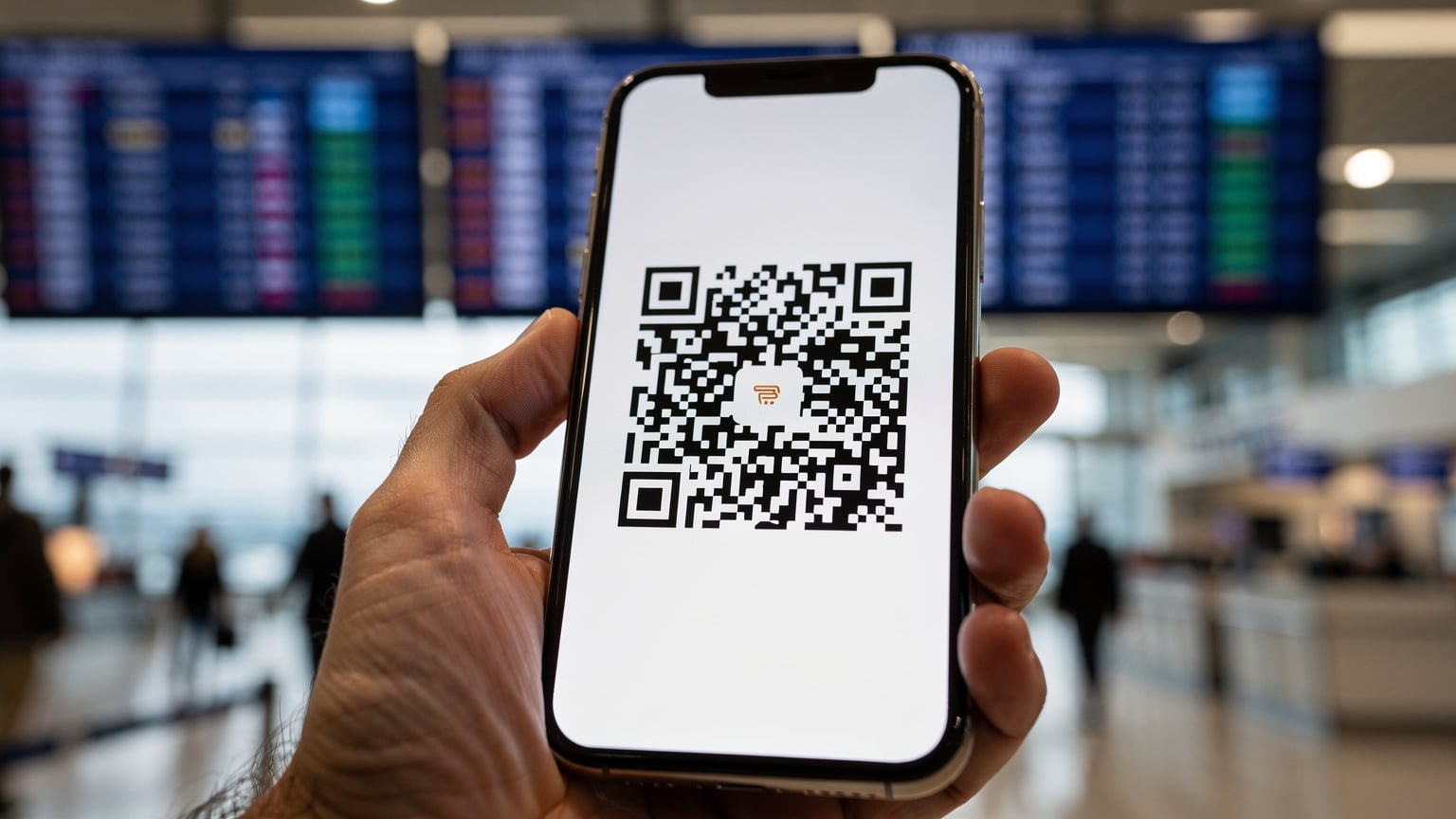
- Purchase and Receive QR Code: Complete your purchase. You'll immediately receive a QR code via email or directly in the Cellesim app.
- Add eSIM to Your Device: Go to your phone's Settings > Cellular (or Mobile Data) > Add eSIM (or Add Data Plan). Scan the QR code. Follow the on-screen prompts. You might be asked to label your new eSIM (e.g., 'Cellesim Italy').
- Configure Data Roaming: Keep your primary Verizon line as your 'Primary' or 'Default Voice Line' if you want to receive calls/texts. Set your Cellesim eSIM as your 'Default Data Line' and ensure 'Data Roaming' is turned ON for the Cellesim line (it's often off by default for new eSIMs). Turn 'Data Roaming' OFF for your Verizon line to avoid accidental charges.
Upon Arrival: Activating Data
The beauty of pre-setting up is that when you land, you're essentially ready to go.
- Disable Airplane Mode: Once your plane lands, disable airplane mode.
- Select Cellesim for Data: Your phone should automatically detect the local network. If not, go to Settings > Cellular (or Mobile Data) and ensure your Cellesim eSIM is selected for mobile data.
- Enjoy Connectivity: You're now connected! You can immediately order a taxi, check maps, or message loved ones without fear of roaming charges.
It's genuinely that simple. I've done this countless times, from touchdown at Bangkok's Suvarnabhumi Airport to connecting with the ATM metro Wi-Fi in Milan, and it has consistently worked like a charm. For more general questions about eSIMs, check out our FAQ.
Coverage and Speed Abroad: What to Expect
Connectivity isn't just about avoiding high costs; it's about reliable service. A cheap plan is useless if you can't get a signal when you're trying to find your way through the labyrinthine streets of Marrakech's Medina, or if your video call drops during an important meeting in a Tokyo coworking space.
Cellesim's Network Advantage
Cellesim partners directly with local mobile network operators in each country. This means when you activate a Cellesim eSIM for, say, the UK, you're getting direct access to a major UK carrier like Vodafone or O2. This translates to:
- Local Speeds: You get the same network speeds and quality as a local resident, usually 4G LTE or even 5G where available. This is a significant improvement over often throttled or prioritized roaming data.
- Broad Coverage: Because Cellesim leverages the established infrastructure of local carriers, you benefit from their extensive national coverage. If a local carrier has service in a particular village in the Scottish Highlands or on a specific stretch of the BVG U-Bahn line in Berlin, your Cellesim eSIM will too.
- Reliability: Direct network access means fewer points of failure. Your connection is more stable and consistent, essential for navigation, communication, and even streaming.
Verizon's Roaming Reality
While Verizon states it has coverage in over 210 countries, the quality of that coverage can vary wildly. Your data is often prioritized differently than local traffic, leading to slower speeds, especially during peak times. The 0.5 GB high-speed daily limit on TravelPass means you're almost guaranteed to hit 2G speeds if you're using your phone for anything more than basic messaging. Trying to upload photos of Rome's Trevi Fountain on 2G feels like a return to the dial-up era, and it can be incredibly frustrating.
Real-World Scenarios: When to Choose What
Understanding the technical differences is one thing, but applying it to your actual travel style is another. Let's consider a few types of travelers.
The Occasional Vacationer (1-2 trips/year, 1-2 weeks)
You take a couple of nice trips a year, perhaps to Europe or Central America. You want connectivity for maps, social media, and communication. You're not looking to save every penny, but you don't want to be gouged either.
- Verizon TravelPass: Might seem convenient, but the costs add up fast. $10/day for 14 days is $140 per trip. Over two trips, that's $280.
- Cellesim: A 10GB Europe eSIM for 15 days is often around $20-30. For two trips, you're looking at $40-60. The savings are undeniable, leaving more money for gelato in Florence or a ride on the London Eye.
The Digital Nomad/Remote Worker (Frequent/Long-Term Travel)
Your laptop is your office, and reliable internet is your lifeline. You might spend months in one country or hop between several. Speed, data allowance, and cost are paramount.
- Verizon TravelPass/Monthly Plan: A non-starter. The data limits on TravelPass are far too restrictive, and even monthly plans rarely offer enough data for consistent remote work without expensive add-ons.
- Cellesim: This is your go-to. High-data plans (20GB+, 30 days) are readily available and incredibly affordable. You can easily manage your connection from a cafe in Lisbon's Chiado district or a beach resort in French Polynesia, ensuring your Zoom calls stay crystal clear. If you're planning on island hopping in French Polynesia with an eSIM, for instance, Cellesim's regional plans are invaluable.
The Budget Traveler/Backpacker (Extended Trips, Cost-Conscious)
Every dollar counts. You're likely staying in hostels, taking public transport, and looking for the most economical way to do everything.
- Verizon TravelPass/Monthly Plan: Definitely not for you. These plans will quickly drain your travel fund.
- Cellesim: Offers some of the most competitive rates per gigabyte, especially for regional packs. You can get a robust amount of data for a fraction of Verizon's cost, allowing you to stay connected for less, whether you're navigating the Tube in London or the Berlin U-Bahn. Compare Cellesim with other budget-friendly options by reading Holafly vs Cellesim eSIM: A Backpacker's Brutal Breakdown for 2026.

Avoiding the Unexpected: Bill Shock
One of my most vivid memories of bill shock was a friend returning from a short trip to Cabo San Lucas. They thought they were being clever by just using Wi-Fi, but a few background app updates and a forgotten data roaming setting on their Verizon line led to a $300 bill. It's a common story, and it's precisely why understanding your options is so critical.
The Verizon Trap: Unintentional Usage
With TravelPass, any data usage, no matter how small, triggers the daily charge. This includes background app refreshes, system updates, or even a push notification. It's easy to accidentally incur a $10 charge without actively using your phone. The 'pay per use' international rates are even worse, sometimes costing dollars per megabyte. A quick scroll through Instagram could easily cost you more than a local meal.
Cellesim: Clarity and Control
With a Cellesim eSIM, you pay upfront for a set amount of data and a specific duration. There are no hidden fees, no surprise charges, and no accidental roaming. Once your data is used up or your validity period expires, your data simply stops working until you choose to top up or purchase a new plan. This transparency gives you complete control over your spending and eliminates bill shock entirely. It’s a bit like buying a metro card for the MTA in New York City or a Pasmo card for JR East in Tokyo, you load what you need and watch your balance.
The Future of Travel Connectivity in 2026 and Beyond
The trend is clear: eSIMs are the future of international travel connectivity. As more devices become eSIM-only and more travelers discover the benefits, traditional carrier roaming options will become increasingly obsolete, especially for value-conscious adventurers.
Why Cellesim is Leading the Charge
Cellesim is at the forefront of this shift, offering:
- Continuous Innovation: Regularly expanding their country coverage and offering new, more flexible data packages.
- User-Centric Design: Focusing on easy activation, clear pricing, and robust customer support.
- Cost-Effectiveness: Consistently providing more data for less money compared to traditional roaming.
As a seasoned traveler who's navigated phone connectivity challenges in countless countries, from the bustling markets of Delhi to the serene temples of Luang Prabang, I can confidently say that switching to an eSIM provider like Cellesim for your international data is one of the smartest travel decisions you can make in 2026. Keep your Verizon line for home, but let Cellesim handle your global data. Your wallet, and your peace of mind, will thank you.
Frequently Asked Questions
What is the main difference between Verizon's TravelPass and Cellesim's eSIMs?
Verizon's TravelPass charges a daily fee (typically $10) to use your domestic plan abroad, with limited high-speed data (0.5GB/day). Cellesim eSIMs are prepaid data packages tailored to specific countries or regions, offering more data for a lower, upfront cost, and connecting you to local networks for better speeds.
Can I keep my Verizon number while using a Cellesim eSIM for data?
Yes, absolutely. Most modern smartphones support Dual SIM functionality, allowing you to keep your Verizon line active for calls and texts (often using Wi-Fi calling) while using your Cellesim eSIM for all your mobile data needs. Just ensure your Verizon line's data roaming is turned off.
Is Cellesim's data speed comparable to local carriers?
Yes, Cellesim partners directly with local mobile network operators in each country. This means you get access to the same 4G LTE or 5G speeds and network quality as local residents, which is often faster and more reliable than throttled international roaming data provided by major US carriers.
How much can I actually save by using Cellesim instead of Verizon TravelPass?
Savings can be significant. For a two-week trip, Verizon's TravelPass could cost $140. A comparable Cellesim eSIM for the same duration and more data might cost $15-30, saving you over $100. For longer trips or heavy data users, the savings can extend into hundreds of dollars per month.
Can I activate a Cellesim eSIM before I travel?
Yes, you can purchase and set up your Cellesim eSIM before you depart. You'll receive a QR code to install the eSIM profile on your phone. You can then activate the data plan upon arrival at your destination, ensuring immediate connectivity without searching for Wi-Fi.
What happens when my Cellesim eSIM data runs out?
If your Cellesim eSIM data runs out, your internet connection will stop. You won't incur any unexpected charges. You can easily top up your existing plan or purchase a new one directly through the Cellesim app or website, usually with just a few clicks.