Navigating African Networks: Why eSIM is Your Best Bet
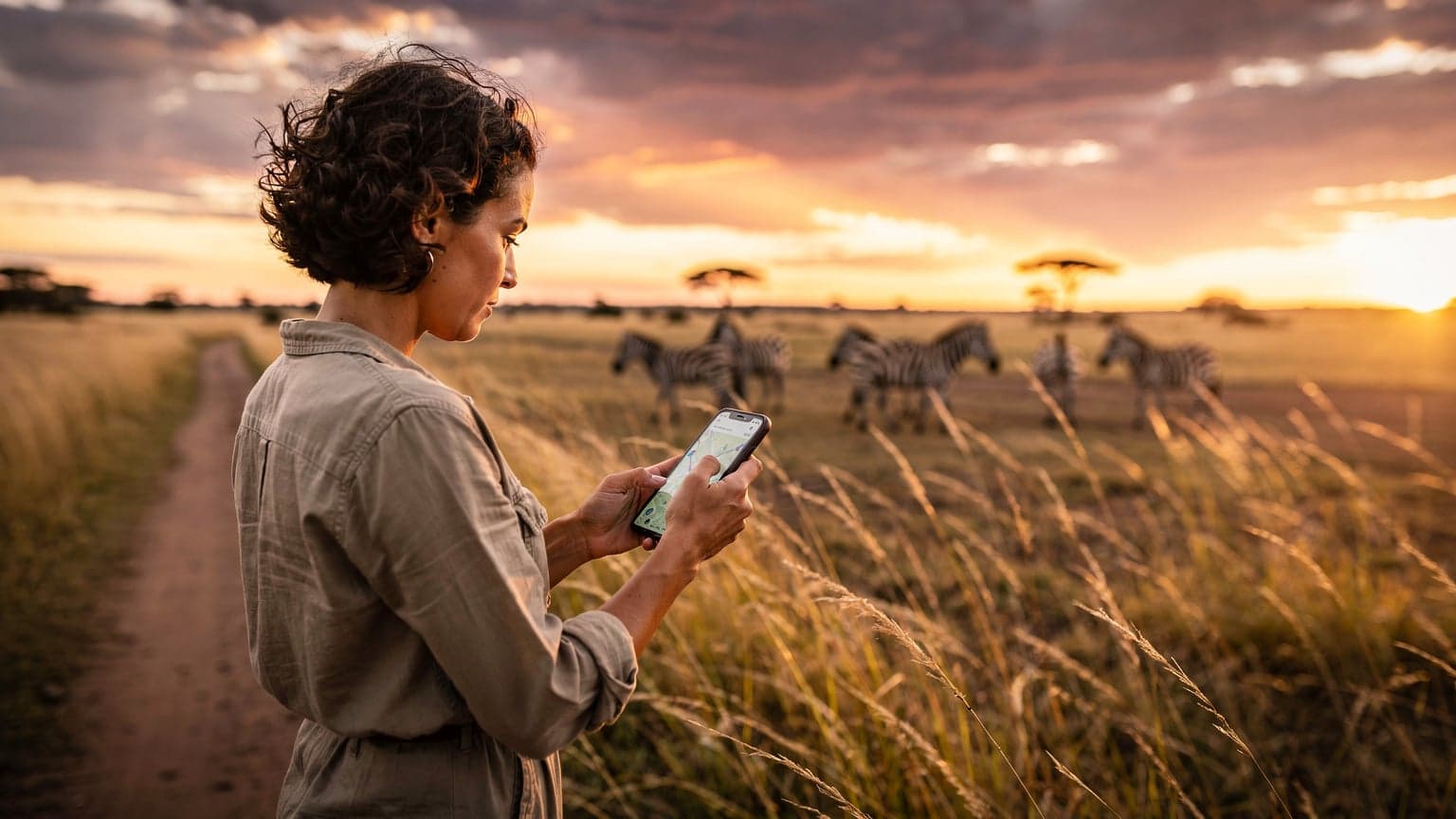
Traveling through Kenya, Tanzania, or South Africa offers incredible experiences, but staying connected can be a real headache. For ages, travelers had two bad options: pay crazy international roaming fees or waste time buying local physical SIM cards after landing. That meant language barriers, registration forms, and often, fumbling with tiny plastic chips. Thankfully, eSIM technology has changed all that. It’s a much simpler, cheaper, and more flexible way to get mobile data when you're abroad. Unlike traditional SIM cards, an eSIM is built right into your phone, letting you switch network providers digitally. No more swapping out physical cards. This is especially useful in places like East and Southern Africa, where network coverage can really differ from one provider or region to another.
Picture this: you've just landed at Jomo Kenyatta International Airport (NBO) in Nairobi or O.R. Tambo International (JNB) in Johannesburg. After a long flight, the last thing you want to do is hunt down a vendor, fill out paperwork, and then try to get a new physical SIM to work. With an eSIM, you buy and activate your plan before you even leave home. When you land, you just turn on your data, and boom, you're connected. You can instantly call a taxi, check your schedule, or send that "I've arrived!" text. This instant connection isn't just nice to have; it's essential for modern travel, especially when you're coordinating safari pickups or finding your way around busy cities like Cape Town.
Plus, if your trip includes multiple countries, like a Kenyan safari followed by a beach trip to Zanzibar in Tanzania, you used to need a new SIM card in each place. But with an eSIM provider like Cellesim, one regional plan can often cover all your destinations. That means simpler billing and continuous service as you cross borders. This multi-country feature often uses roaming agreements between local carriers, so your phone automatically picks the strongest signal across different networks. That's a huge step up from being stuck with just one local operator.
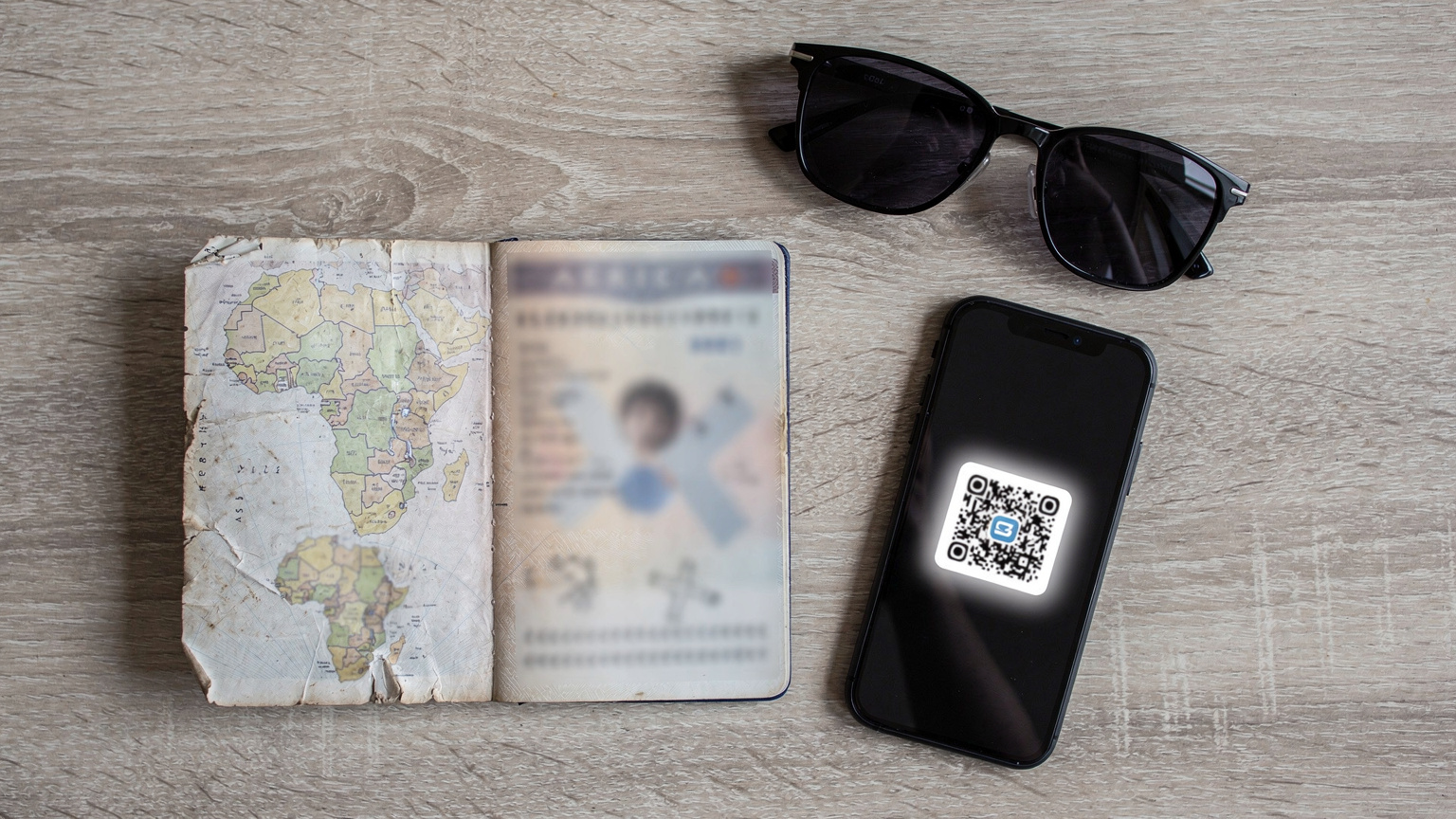
For those who like the tech details, eSIMs use something called 'eSIM Provisioning via QR Code' or 'SM-DP+ address.' This is a standard protocol (ETSI TS 103 380, if you're curious) that lets your phone securely download and install a new subscriber profile. It's a robust and secure system, much better than dealing with physical cards. It's quickly becoming the global standard for mobile connectivity, making it a must-have for smart travelers in 2026.
Understanding Network Infrastructure in East and South Africa
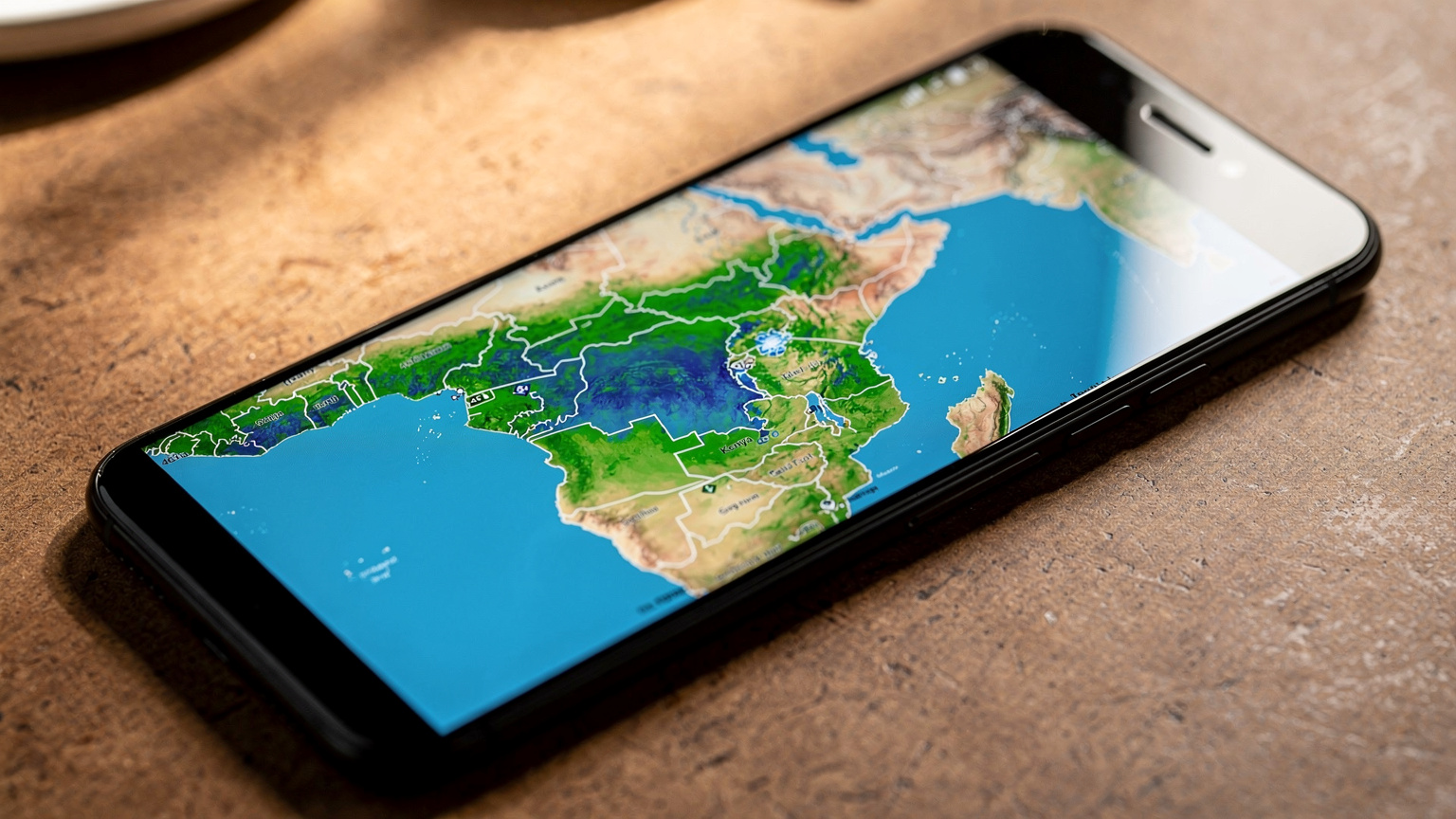
Before we get into specific eSIM suggestions, it helps to understand the cell networks in these African countries. How good and how far mobile data reaches depends on the different radio frequency bands and how many cell towers are installed. In both East and South Africa, 4G LTE is the main standard for mobile data, though 5G is slowly popping up in big cities. However, in rural areas and wildlife parks, where most safaris happen, you'll often rely on 3G (UMTS) or even 2G (GSM) for basic service.
In Kenya, the main carriers are Safaricom, Airtel, and Telkom. Safaricom has the best coverage, especially in places like the Maasai Mara and other national parks. They often use LTE bands B3 (1800MHz), B7 (2600MHz), and B20 (800MHz), which are key for both speed and reach. Airtel is also strong, particularly in cities, usually on B3 and B7. Telkom is smaller and has good prices, but its coverage can be patchier outside of major towns.
Tanzania’s big names include Vodacom, Tigo, Airtel, and Halotel. Vodacom Tanzania generally has the widest coverage, especially along main roads and in popular tourist spots like the Serengeti and around Kilimanjaro. Their network mostly uses LTE bands B3, B8 (900MHz), and B20. Tigo and Airtel have decent coverage in towns and cities, using similar frequencies. Halotel is a newer company that has focused on expanding into rural areas with strong 2G/3G service, which can be helpful for basic communication in very remote places.
South Africa has a more developed and competitive market with Vodacom, MTN, Telkom, and Cell C. Vodacom and MTN are the two biggest players, both offering extensive 4G LTE coverage (B1 (2100MHz), B3, B8, B20) and quickly expanding 5G networks (mostly n78 (3500MHz) in city hubs like Johannesburg and Cape Town). Telkom and Cell C have more localized coverage, often using roaming agreements with the two larger companies for national reach. For example, Telkom often roams on MTN's 2G/3G network where it doesn't have its own towers. These roaming agreements are vital for smooth travel, even if your eSIM's primary connection is through a smaller partner network.
Carrier Aggregation and Real-World Speeds
One technical detail often overlooked is carrier aggregation (CA). This technology lets your phone combine multiple frequency bands to get faster data speeds and better capacity. For instance, a phone connected to Safaricom in Nairobi might combine B3 and B7, potentially doubling the theoretical maximum download speed compared to using just one band. In my experience, I've seen speeds from 50-150 Mbps download and 10-30 Mbps upload in central Nairobi on Safaricom's LTE-A network. In more remote spots, like a safari lodge near Amboseli National Park, speeds might drop to 5-15 Mbps download on a single B20 connection. That’s still perfectly fine for messaging and light browsing.
Similarly, in Cape Town, MTN's 5G network (n78) can hit speeds over 300 Mbps download and 50 Mbps upload in ideal conditions. However, this speed quickly drops off the further you are from a cell tower or during busy times. In rural South Africa, on Vodacom's B20 LTE, typical speeds are closer to 20-50 Mbps download. It's important to be realistic: while city speeds often match what you'd see in Western countries, the true test of an eSIM in Africa is whether it can keep a usable connection, even if it's just 3G, far from the nearest big town. This is where providers with strong network partnerships really shine, offering that fallback to crucial lower-frequency bands for wider coverage.
eSIM Options for Kenya: A Deep Dive into Safaricom and Airtel
Kenya, with its lively cities and incredible wildlife, is a top destination. To stay connected there, Safaricom is key, and Airtel is a good secondary option. While you can buy physical SIMs for both at the airport, getting an eSIM ahead of time through a global provider makes your arrival much smoother. Cellesim, for example, often partners with Safaricom to offer solid data packages.
| Provider | Network Partner (eSIM) | Key LTE Bands | Typical Urban Speed (DL/UL) | Rural Coverage Strength |
|---|---|---|---|---|
| Cellesim (Kenya) | Safaricom | B3, B7, B20 | 70-120 Mbps / 15-25 Mbps | Excellent (Maasai Mara, Amboseli) |
| Cellesim (Kenya) | Airtel | B3, B7 | 50-90 Mbps / 10-20 Mbps | Good (major roads, towns) |
| Safaricom (Local SIM) | N/A | B3, B7, B20 | 70-150 Mbps / 15-30 Mbps | Excellent (Maasai Mara, Amboseli) |
| Airtel (Local SIM) | N/A | B3, B7 | 50-100 Mbps / 10-25 Mbps | Good (major roads, towns) |
Safaricom: The Dominant Player
Safaricom is Kenya's biggest mobile network, famous for its wide coverage and services like M-Pesa, a mobile money platform. When your eSIM uses Safaricom, you get the benefit of their strong infrastructure. For example, in Nairobi's business district or areas like Westlands, you can expect excellent LTE speeds on bands B3 and B7. Even deep inside the Maasai Mara National Reserve, many lodges and camps have Safaricom signal, often using the longer-range B20 (800MHz) band, which reaches further and covers vast wilderness areas better. This is super important if you're relying on data for real-time safari updates or in case of an emergency. Just remember, "coverage" doesn't always mean "fast speed" in every corner of a national park. Expect functional data, not always lightning-fast, in remote spots.
Airtel: A Strong Alternative
Airtel Kenya offers a solid network, especially good in city centers. While it doesn't cover as much rural ground as Safaricom, it's a dependable choice for travelers focused on cities or major towns. eSIMs that partner with Airtel will generally give you good service in places like Mombasa, Kisumu, and along main highways. Their network typically uses B3 and B7 for LTE, providing good capacity in denser areas. If your trip involves a lot of city exploring or coastal stays, an Airtel-backed eSIM can be very effective and might even offer a slightly better cost-per-GB if that's your priority. The main thing is to check your specific eSIM provider's listed network partners for Kenya before you buy. Some might only partner with one, which limits your options if that network isn't strong where you are.
Tanzania Connectivity: Vodacom, Tigo, and Halotel via eSIM
Tanzania, home to Mount Kilimanjaro and the Serengeti, also has a competitive mobile market. Vodacom Tanzania leads the way, with Tigo and Airtel as strong alternatives, and Halotel reaching into more rural areas. An eSIM for Tanzania will typically use one or more of these networks.
Vodacom Tanzania: Your Primary eSIM Partner
Vodacom Tanzania offers the most comprehensive coverage across the country, making it the top choice for most eSIM providers. Their LTE network, built on bands B3, B8, and B20, provides reliable data in Dar es Salaam, Arusha, and even many parts of the Serengeti National Park. For example, around Seronera in the central Serengeti, I've seen Vodacom LTE connectivity providing 10-25 Mbps download speeds, which is enough for uploading photos and video calls home. On Kilimanjaro's slopes, you can often find basic 3G (UMTS on B8 or B1) at lower altitudes, a big plus for trekkers. When picking an eSIM for Tanzania, look for one that specifically mentions a partnership with Vodacom for the widest possible coverage.
Tigo and Airtel Tanzania: Filling the Gaps
Tigo and Airtel are strong players, especially in cities and along major roads. While their rural coverage isn't as vast as Vodacom's, they offer dependable LTE (B3, B7, B20) in places like Stone Town, Zanzibar, and Mwanza. An eSIM that supports multiple networks in Tanzania can intelligently switch between these providers, giving you the best signal wherever you are. This is particularly handy if you venture off the main tourist routes, where one network might have a local tower when another doesn't. For instance, on the road between Arusha and Moshi, I've noticed times when Tigo had stronger, more consistent service than Vodacom for short stretches.
Halotel: The Rural Specialist
Halotel, though smaller, has invested heavily in expanding its network into underserved rural areas. While its LTE footprint is still growing, its 2G and 3G coverage can be surprisingly good in very remote villages. If your trip includes visiting deep rural communities or going off-grid, an eSIM that includes Halotel in its network partnerships could be a lifesaver for basic communication, even if it's just for texts or low-bandwidth data. It just shows how diverse the network landscape is, with even smaller operators playing a crucial role in specific coverage areas.
South Africa eSIM Breakdown: Vodacom, MTN, and Telkom
South Africa has the most advanced mobile network infrastructure among these three countries, with widespread 4G LTE and quickly expanding 5G in big cities. For travelers visiting iconic places like Cape Town, Johannesburg, or venturing into Kruger National Park, an eSIM offers seamless connectivity.
| Provider | Network Partner (eSIM) | Key LTE Bands | Typical Urban Speed (DL/UL) | 5G Availability (Bands) | Rural Coverage Strength |
|---|---|---|---|---|---|
| Cellesim (South Africa) | Vodacom | B1, B3, B8, B20 | 100-250 Mbps / 20-40 Mbps | Yes (n78) | Excellent (major roads, towns) |
| Cellesim (South Africa) | MTN | B1, B3, B8, B20 | 100-280 Mbps / 25-50 Mbps | Yes (n78) | Excellent (Kruger, Garden Route) |
| Telkom (Local SIM) | N/A | B1, B3 | 60-120 Mbps / 15-30 Mbps | Limited (n78) | Good (roaming on MTN) |
| Cell C (Local SIM) | N/A | B1, B3 | 40-80 Mbps / 10-20 Mbps | No | Fair (roaming on Vodacom/MTN) |
Vodacom and MTN: The Powerhouses
Vodacom and MTN are South Africa's two largest and most advanced mobile operators. Both have extensive LTE networks covering nearly all populated areas and most major tourist routes, including the Garden Route and much of Kruger National Park. Their 5G networks, mainly on the n78 band (3.5 GHz), are rapidly expanding in Johannesburg, Cape Town, and Durban. If your eSIM partners with either Vodacom or MTN, you can expect excellent data speeds, with 4G LTE often delivering 100-200 Mbps download in cities. Even within Kruger, many rest camps and main roads have reliable 4G coverage, though speeds can drop to 20-50 Mbps due to fewer cell towers and network capacity limits. For example, in Skukuza Camp, I've consistently had 4G speeds good enough for video calls without much buffering, which is impressive for a wilderness setting.
Telkom and Cell C: Strategic Alliances
Telkom and Cell C are smaller operators, but they offer competitive prices and often use roaming agreements with Vodacom and MTN to extend their national reach. An eSIM might connect you to one of these networks, which then roams onto a larger network. For instance, Telkom has a big roaming agreement with MTN, meaning a Telkom-backed eSIM could effectively give you MTN's extensive coverage in many areas. Cell C also has roaming agreements, primarily with Vodacom. While this is generally a good thing, sometimes roaming traffic can be given lower priority, leading to slightly slower speeds during peak times compared to direct connections. However, for most travelers, the difference is minor and still much better than expensive international roaming rates from your home carrier. This strategic roaming is a great example of how eSIMs can hide the complex network details from the user.
Cost-per-Gigabyte Analysis: eSIM vs. Local SIMs vs. Roaming
When you're planning your African trip, knowing the real cost of staying connected is essential. As Mike Donovan, I always focus on the cost-per-gigabyte (GB) because it’s the clearest way to judge value. Let's compare eSIMs to traditional options.
The Cost of Convenience: eSIMs
eSIMs, especially from global providers like Cellesim, hit a sweet spot between convenience and cost. They might not always beat the absolute lowest per-GB price of a local physical SIM you buy directly from a carrier in the country. However, the savings over traditional roaming are huge. For a 10GB plan valid for 30 days across Kenya, Tanzania, and South Africa, you might pay around $30-$45 (roughly 550-830 ZAR or 3,900-5,800 KES). That works out to a cost-per-GB of $3.00-$4.50. The real value here is the easy activation, coverage across multiple countries, and the ability to manage your plan digitally without visiting stores. For more on the benefits of eSIMs, check out our post, "eSIM Cards Explained: Why Every Traveler Needs One in 2026."
Local SIM Cards: The Bargain Hunter's Choice
If your main goal is the absolute cheapest option, a local physical SIM card will often win, especially if you're staying longer in one country. In Kenya, a Safaricom SIM with 10GB of data might cost around 1,500 KES (about $11-$12), bringing the cost-per-GB down to $1.10-$1.20. In South Africa, a Vodacom or MTN prepaid SIM with 10GB could be around 200-300 ZAR (about $10-$16), making the cost-per-GB $1.00-$1.60. But here's the catch: you have to buy the SIM at the airport or a local shop, show ID (passports are typically needed for RICA in South Africa or similar processes in Kenya/Tanzania), and then activate it. This can take anywhere from 15 minutes to an hour, which is valuable time after a long flight, not to mention potential language issues. Also, these plans are usually for a single country, so if you hop between Kenya and Tanzania, you'll need to buy a new SIM each time.
International Roaming: The Premium Trap
This is where most travelers lose a lot of money. Your home carrier's international roaming packages, while convenient, are almost always the most expensive choice. T-Mobile's Magenta MAX, for instance, offers 5GB of high-speed data in some international places, but after that, speeds drop to 256 Kbps, which is barely good for basic messaging. Many other US carriers charge $10-$15 PER DAY for unlimited full-speed data, or even $10-$20 per gigabyte. A 10GB trip could easily run up hundreds of dollars in roaming fees. This is a classic example of paying a huge premium just to use your existing number. Many eSIMs offer this feature too through dual-SIM functionality, letting you keep your home number active for calls/SMS while using the eSIM for data. For a direct comparison, you might want to read "T-Mobile eSIM for US Travelers: Activation, Roaming Costs & Smart Alternatives 2026."
| Connectivity Option | Typical 10GB Cost (approx. USD) | Cost per GB (approx. USD) | Key Advantages | Key Disadvantages |
|---|---|---|---|---|
| Cellesim (eSIM) | $30 - $45 | $3.00 - $4.50 | Convenient, multi-country, instant activation, keep home number | Slightly higher per-GB than local SIMs, requires eSIM-compatible phone |
| Local Physical SIM | $10 - $16 | $1.00 - $1.60 | Lowest per-GB cost, sometimes better local support | Time-consuming purchase/registration, single country, lose home number slot |
| International Roaming (Home Carrier) | $100 - $200+ | $10 - $20+ | Use existing number seamlessly, no new setup | Extremely expensive, throttled speeds after cap, bill shock risk |
Technical Considerations for Your African eSIM
Beyond just buying an eSIM, a few technical details can really affect your experience in Africa. As an engineer, these are the things I always check before using any new connection.
APN Settings and Device Compatibility
Most modern smartphones, like iPhones (XS and newer) or Google Pixels (3 and newer), automatically handle eSIM activation and APN (Access Point Name) settings. An APN is essentially the pathway between your phone and the mobile network, telling it how to connect to the internet. However, I've seen rare cases, especially with some Android devices from brands like Huawei or older Samsung models (before the S20, which sometimes had different regional software), where the APN might not set itself up. If your eSIM activates but you don't have data, manually checking or adding the APN settings is the first thing to try. Your eSIM provider, like Cellesim, will usually give you the correct APN, which is often something generic like 'internet' or a specific carrier APN like 'safaricom.com'. The trick is knowing where to find it in your phone's settings (e.g., Settings > Mobile Data > Data Network > APN on iOS, or similar on Android). It's uncommon, but good to be aware of.
VoLTE and VoWiFi Gotchas
Voice over LTE (VoLTE) and Voice over WiFi (VoWiFi) are crucial for making good quality calls over 4G data or Wi-Fi, especially since many eSIMs are data-only. While VoLTE is becoming more common on African networks, not all local carriers support it for visitors using roaming (which an eSIM often appears as). This means if your eSIM data plan doesn't include voice minutes and you try to make a regular call, it might drop to 3G or even 2G, or fail entirely if only LTE is available. The solution? Use internet-based calling apps like WhatsApp, Signal, or Google Meet, which only need your data connection. VoWiFi is even less common for visitors, often requiring specific carrier support. So, when your eSIM is active, assume voice calls will go through data apps, not traditional phone lines, unless your plan clearly says otherwise. This is a common point of confusion for travelers expecting seamless traditional calling.
IPv6-Only Networks and CGNAT
Some newer network setups, especially in cities, are moving to IPv6-only networks or using Carrier-Grade Network Address Translation (CGNAT) for IPv4 addresses. CGNAT means many users share a single public IPv4 address, which can sometimes cause issues with certain VPN services or online gaming. However, for typical travel data use (browsing, social media, streaming), it's rarely a problem. More importantly, if you rely on a specific VPN to access services from home, make sure it supports IPv6, or that your eSIM provider's partner network still offers IPv4. Most commercial VPNs support both these days, but it's something to check if secure home-network access is a priority. For most users, this is more of a technical detail, but for anyone running a specific business application, it's a factor.
Optimizing Your eSIM Experience: Battery Life and Data Management
Even with the best eSIM, managing your data and phone efficiently is key for a smooth African adventure. You can take practical steps to make your connection last longer and work better.
Extending Battery Life in Remote Areas
In national parks or during long drives, cell signal can bounce around a lot, making your phone constantly search for a stronger connection. This "cell search" drains your battery fast. Here's how to help:
- Turn on Low Data Mode: This setting on most smartphones limits background app refreshes and automatic downloads, saving both data and battery.
- Turn off Wi-Fi/Bluetooth when not using them: Your phone will keep scanning for known networks or devices, which uses power.
- Use Airplane Mode wisely: If you're in an area with no signal for a long time (like deep in the bush on a game drive), turn on airplane mode. This stops your phone from wasting battery trying to find a non-existent network. Turn it back on when you expect to get service again.
- Download offline maps: Apps like Google Maps or Maps.me let you download entire regions for offline navigation. This reduces how much you rely on live data and GPS.
- Carry a power bank: A high-capacity power bank is a must-have for any African safari. It ensures your devices stay charged, no matter the network conditions.
Monitoring and Managing Data Usage
Even with a generous data plan, it's easy to chew through gigabytes, especially when uploading high-resolution photos and videos. Managing your data proactively helps avoid unexpected cut-offs:
- Check data usage often: Most eSIM providers, including Cellesim, have an app or website where you can track your real-time data use. Make it a daily habit.
- Prioritize essential apps: Restrict background data for apps you don't need constantly. On iOS, go to Settings > Cellular > Cellular Data Options > Low Data Mode. On Android, find Settings > Network & internet > Data Saver.
- Compress media before uploading: If you're sharing lots of photos or videos, use a photo editor or your messaging app's settings to slightly compress them before uploading.
- Use hotel Wi-Fi: Whenever available, use Wi-Fi for large downloads, system updates, and extensive photo backups. This saves your valuable eSIM data.
- Consider a data-only eSIM: For many travelers, a data-only eSIM is enough. You can handle voice calls using WhatsApp or similar apps over data. This simplifies your plan and often gives you better per-GB rates.
Troubleshooting Common eSIM Issues in Africa
Even the best technology can hit a snag. Knowing how to quickly figure out and fix common eSIM problems can save you a lot of headaches during your trip. For more general troubleshooting, our "FAQ" page is a good place to start.
No Service or No Data After Activation
- Restart your device: The classic first step. A simple reboot can often fix temporary network registration issues.
- Check eSIM profile status: Make sure your eSIM profile is switched 'On' in your phone's cellular settings and that your primary SIM (home number) is set to 'Off' for data roaming if you're using a data-only eSIM.
- Verify APN settings: As mentioned earlier, manually confirm the APN is correct. If it's blank or wrong, enter the one Cellesim provided.
- Network selection (manual vs. automatic): Sometimes, manually picking a network can help. Go to your cellular settings and turn off 'Automatic' network selection. Your phone will then scan for available networks, letting you manually choose the partner network listed by your eSIM provider (e.g., Safaricom in Kenya).
- Check signal strength: Are you in an area known to have coverage? If you're deep in a national park, a lack of signal might just be because of the location, not an eSIM problem.
Slow Speeds or Intermittent Connectivity
Slow Speeds or Intermittent Connectivity
Slow speeds can be really frustrating, especially when you're trying to share that perfect wildlife photo. While speeds are never guaranteed, these steps can help:
- Toggle Airplane Mode: Turning Airplane Mode on for 30 seconds and then off can force your phone to reconnect to the nearest cell tower, often resolving temporary congestion.
- Move to a different location: Obstacles like hills, dense buildings, or even the type of safari vehicle you're in can block signals. Try moving a few meters in any direction, or stepping outside a lodge building.
- Check data cap: Have you used up your high-speed data allowance? Many plans slow down speeds after you hit a certain usage limit. Check your remaining data with your eSIM provider.
- Network congestion: In popular tourist areas or during busy times (like evenings at a lodge), networks can get overloaded. There's not much you can do about this, but it's a common reason for slower speeds.
- Phone temperature: Believe it or not, an overheating phone can sometimes lead to slower performance, including network issues. Make sure your phone isn't in direct sunlight for long periods.

Final Recommendations for Your 2026 African Adventure
For your 2026 African safari or sunny getaway to Kenya, Tanzania, and South Africa, an eSIM is absolutely the smartest way to stay connected. It brings together convenience, multi-country flexibility, and cost-effectiveness better than traditional roaming or the hassle of local SIM cards. By picking a trusted provider like Cellesim, you ensure reliable access to the best available networks, whether you're tracking lions in the Serengeti or exploring the lively streets of Cape Town.
My engineering brain always favors solutions that are both solid and easy to use. The ability to buy, activate, and manage your data plan from anywhere is a huge plus. What's more, eSIMs can use multiple local networks, sometimes switching automatically between them, which means better coverage across diverse landscapes. While local physical SIMs might offer a slightly lower cost-per-GB in a single country, the overall value and reduced friction an eSIM provides, especially for trips that span multiple countries, are undeniable. If you're planning a bigger trip, say combining Africa with a European leg, an eSIM's regional or global plans offer unmatched value, simplifying connectivity across continents, as we highlighted in our article "Summer 2026 Euro Trip: Ditch Roaming Fees, Keep Your Home Number with eSIM."
The digital shift in travel connectivity, led by eSIM technology, isn't just about saving money. It's about getting back valuable travel time and reducing the stress of managing mobile services while abroad. Your African adventure should be all about the wildlife, the scenery, and the culture, not about hunting for a SIM card.
So, as you finish up your packing list for 2026, make sure a Cellesim eSIM is at the top. It's the most reliable and affordable way to share your amazing journey, find your way in new cities, and keep in touch with loved ones, ensuring you can focus on the breathtaking experiences Africa has to offer, not on your phone's signal bars.
Frequently Asked Questions
What specific network bands will my eSIM use in Kenya, Tanzania, and South Africa?
In Kenya, your eSIM will mainly use Safaricom or Airtel, utilizing LTE bands B3 (1800MHz), B7 (2600MHz), and B20 (800MHz). Tanzania's primary networks like Vodacom, Tigo, and Airtel use B3, B8 (900MHz), and B20. In South Africa, Vodacom and MTN are dominant, deploying B1 (2100MHz), B3, B8, B20 for 4G LTE, and n78 (3500MHz) for 5G in urban centers. These bands ensure a good balance of capacity and wide coverage.
Can I keep my home phone number active while using an eSIM for data in Africa?
Yes, absolutely. Most modern smartphones support dual SIM functionality (one physical SIM, one eSIM). You can keep your home physical SIM active for receiving calls and texts (though roaming charges for these will still apply from your home carrier) while using your Cellesim eSIM for all data connectivity. This lets you keep your main number without racking up huge data roaming fees.
What kind of download and upload speeds can I realistically expect with an eSIM in these African countries?
Speeds vary a lot by location. In major cities like Nairobi, Dar es Salaam, or Cape Town, you can expect LTE download speeds from 50-250 Mbps and upload speeds of 10-50 Mbps, depending on the network and how busy it is. In remote safari areas, speeds will be lower, typically 5-25 Mbps download, but still enough for messaging and light browsing. 5G, where available in South African cities, can go over 300 Mbps download.
Are there any APN settings I need to worry about for my eSIM in Africa?
For most modern devices (iPhone XS and newer, Pixel 3 and newer), APN settings for an eSIM should set themselves up automatically when you activate it. However, in rare cases, especially with some Android models, you might need to manually enter the APN. Your eSIM provider, like Cellesim, will give you the correct APN, which is often a simple 'internet' or a carrier-specific name. Always check your phone's cellular settings if you've activated an eSIM but don't have data.
Will my regular phone calls (VoLTE/VoWiFi) work with an eSIM in Africa?
eSIMs generally focus on data connectivity. While VoLTE (Voice over LTE) is becoming more common on African networks, it's not universally supported for visitors using roaming. VoWiFi (Voice over WiFi) is even less common for visitors. It's best to assume that traditional cellular voice calls might not work smoothly or could drop to 3G/2G. For reliable voice communication, plan to use internet-based calling apps like WhatsApp, Signal, or Google Meet, which use your eSIM's data connection.
How does an eSIM handle connectivity if I travel between Kenya, Tanzania, and South Africa?
A multi-country or regional eSIM plan from a provider like Cellesim will automatically connect you to its partner networks in each country. This means you won't need to buy a new eSIM or physical SIM every time you cross a border. The eSIM profile will dynamically switch to the strongest available network in Kenya (e.g., Safaricom), then in Tanzania (e.g., Vodacom), and so on, making your connectivity management simple throughout your entire trip.
See also: Kenya eSIM
See also: South Africa eSIM
See also: eSIM for Cape Town