
The Real Cost: Show Me the Money
Let's cut straight to it: for me, a month in Georgia and Armenia cost roughly €280 on data alone, and that was with careful planning. That's a significant chunk of change when you're aiming for a €40/day budget. My phone, an iPhone 18, is my lifeline for maps, hostel bookings, and the occasional WhatsApp call home, so going without data isn't an option. The question isn't *if* you need data, but *how cheaply* you can get it without getting ripped off.
Nomad eSIM and Cellesim both have attractive headline prices, but the devil, as always, is in the details. I've spent hours digging through their plans, comparing per-GB costs, and factoring in the validity periods. What I've found is that Cellesim generally offers a better price-to-data ratio, especially for longer trips or multi-country itineraries.
Breaking Down the Per-GB Price
This is where the rubber meets the road. Forget the upfront package price, calculate the cost per gigabyte. It's the only metric that truly matters for us budget warriors.
| Provider | Plan (Example) | Total Data | Validity | Price | Cost per GB |
|---|---|---|---|---|---|
| Cellesim (Europe) | Regional Europe | 10 GB | 30 Days | €18.00 | €1.80 |
| Nomad eSIM (Europe) | Regional Europe | 10 GB | 30 Days | €22.00 | €2.20 |
| Cellesim (Global) | Global 20 GB | 20 GB | 60 Days | €35.00 | €1.75 |
| Nomad eSIM (Global) | Global 20 GB | 20 GB | 60 Days | €45.00 | €2.25 |
As you can see, in these common scenarios, Cellesim consistently shaves off a few cents per gigabyte. Those cents add up faster than you think, especially when you're burning through 1GB-2GB a day for navigation, social media, and research for the next cheap hostel. For instance, on my Tbilisi Digital Nomad Visa 2026 trip, I averaged 1.5 GB/day. Over 30 days, that's 45 GB. A €0.40 difference per GB would mean an extra €18.00 in my pocket.
Hidden Fees and Top-Up Traps
Neither Cellesim nor Nomad eSIM are notorious for hidden fees, which is a relief. However, always check the fine print for activation fees or taxes that might sneak in during checkout. Top-ups are where some providers get you. If a plan runs out and the top-up rate is significantly higher, you're stuck. Both Cellesim and Nomad eSIM generally offer top-ups at comparable rates to their initial packages, but it's always worth double-checking before you commit to a smaller initial package.
Coverage: Country-Hopping and Border Crossings
This is my biggest concern after price. What's the point of cheap data if it doesn't work when you need it most, like when you're crossing a dodgy border at 3 AM? Both Cellesim and Nomad eSIM boast extensive global coverage, but their regional packages differ, and that can impact your seamless travel experience.
Regional Packages: Europe, Asia, and Beyond
When you're doing a classic Eurotrip, hitting up Italy, Greece, and Spain, a regional package is your best friend. Both Cellesim and Nomad eSIM offer multi-country Europe plans. Cellesim tends to cover more countries within its regional packages, often including smaller nations that Nomad eSIM might omit or require a separate, more expensive plan for. This is crucial for routes like the Balkans, where you might hop between North Macedonia, Albania, and Montenegro in a single week.
For example, if you're planning a multi-country safari in Africa, Cellesim's regional African eSIM typically covers a broader range of countries under one umbrella plan, simplifying your connectivity and often reducing the overall cost compared to buying individual country plans or smaller regional bundles from Nomad eSIM.
Network Partnerships: Who Are They Working With?
An eSIM provider is only as good as its local network partners. Both Cellesim and Nomad eSIM work with major carriers. Cellesim frequently partners with Tier 1 networks like Vodafone, Orange, and Deutsche Telekom, which means better speeds and more reliable connections, even in more rural areas. Nomad eSIM also uses reputable partners, but in some regions, I've noticed their default network might be a Tier 2 provider, leading to slower speeds or patchier coverage, especially outside major cities. Always check which networks are supported in your specific destination before purchasing.

Data Packages and Flexibility: No Surprises, Please
This section is about avoiding unpleasant surprises. Nobody wants to be stranded without data because their plan expired unexpectedly or they misjudged their usage. Understanding the various data packages and their flexibility is key to staying connected without breaking the bank.
Validity Periods: Don't Get Caught Out
Pay close attention to validity periods. A 5GB plan for 7 days might sound cheap, but if you're traveling for 10 days, you'll need to buy another plan or top up, which can cost more in the long run. Both providers offer a range of validity options, from 7 days to 90 days. Cellesim often has more diverse long-term options, which is a huge plus for digital nomads or those on extended backpacking trips.
- Short trips (7-14 days): Look for smaller data packages (1-5GB) with short validity.
- Medium trips (15-30 days): Mid-range packages (5-10GB) with a month's validity are usually best.
- Long trips (30+ days): Consider larger data bundles (15-30GB+) or regional plans that offer longer validity periods to avoid frequent top-ups.
Data Tracking and Usage Monitoring
Both apps provide data usage tracking, which is essential for managing your budget. However, I've found Cellesim's in-app tracking to be slightly more accurate and real-time. Nomad eSIM's tracking sometimes has a slight delay, which can be stressful when you're nearing your data limit. My tip: always set a data warning on your phone at about 80% usage, regardless of the app's tracking.
Data-Only vs. Data Plus Calls and SMS
Most eSIMs are data-only. This is fine for WhatsApp calls and messaging, but what about local calls or SMS verification codes? This is where your old number still matters. Cellesim, like Nomad eSIM, primarily offers data-only plans. For SMS abroad, you'll typically need to keep your primary SIM active (but roaming disabled) or use a VOIP service. If you need a local number for calls, a physical SIM is usually the answer, though some Cellesim plans do offer optional local numbers in specific regions.
User Experience and Support: When Things Go Sideways
An eSIM is only as good as its ease of use and the support you get when something inevitably goes wrong. I've had my share of connectivity nightmares, usually involving a dodgy hostel Wi-Fi or a border crossing where signal just vanishes. That's when good customer support becomes priceless.
App Interface and Ease of Use
Both Cellesim and Nomad eSIM have intuitive apps. Installation of an eSIM for iPhones is generally straightforward, a quick QR code scan and a few taps. However, I find Cellesim's app slightly cleaner, with less clutter and clearer navigation. Finding specific country plans or regional bundles feels more streamlined. Nomad eSIM's app can sometimes feel a bit more crowded with options, making it harder to quickly find the best deal.
Installation Process: A Quick Checklist
Installing an eSIM should be a breeze, not a headache. Here’s my no-nonsense checklist:
- Check Compatibility: Ensure your phone supports eSIMs. Most newer iPhones and Android flagships do.
- Stable Wi-Fi: Always install your eSIM on a stable Wi-Fi connection, preferably before you leave your home country or at a reliable airport lounge.
- Follow Instructions: Both apps provide clear step-by-step guides. Don't skip them.
- Activate When Ready: Most eSIMs only activate their validity period upon connecting to a supported network. Don't activate it too early unless you're starting your trip immediately.
- Test It: Once installed, toggle off your physical SIM data and test the eSIM connection.
Customer Support: Who Responds Faster?
I've only had to contact support a handful of times, but when I did, it was usually urgent. Cellesim's support, primarily through in-app chat or email, has generally been faster and more helpful in resolving issues, especially with troubleshooting network connections. Nomad eSIM's support is decent, but I've experienced slightly longer wait times for responses, which can feel like an eternity when you're lost in a new city without data.
The Cheapest Fallback: Local SIMs Still Exist
Let's be frank: no eSIM, however convenient, will ever truly beat the per-GB cost of a local physical SIM card in most countries. If you're staying in one country for an extended period, say a month or more, and every single euro is accounted for, a local SIM is almost always the cheapest option.
Why Local SIMs Win on Price (Usually)
In countries like Thailand, Indonesia, or even parts of Eastern Europe, you can often pick up a physical SIM with unlimited data (or a massive allowance like 50GB) for under €10-€15. Compare that to the €1.50-€2.50 per GB you'd pay for an eSIM, and the savings are obvious. For instance, in South Korea, you can grab a KT Olleh SIM at Incheon Airport for about ₩30,000 (around €20) for 10GB over 30 days, which is incredibly competitive, as outlined in the South Korea Travel Safety & Advisory guide.
The Trade-Off: Convenience vs. Cost
The downside? Local SIMs mean finding a vendor, potentially dealing with language barriers, showing your passport, and swapping out your physical SIM card. For short trips or multi-country itineraries, this hassle often outweighs the cost savings. That's precisely why eSIMs exist, offering a balance of convenience and competitive pricing. But never forget the local SIM option if you're truly penny-pinching and staying put for a while.

Border-Crossing Tactics: Staying Connected on the Move
This is where eSIMs truly shine, but you need a strategy. Crossing borders, especially overland, can be chaotic. Having data ready before you even step off the bus or train is critical for finding your next hostel, booking a taxi, or dealing with unexpected delays.
The Advantage of Regional eSIMs
When I traveled from Vietnam into Cambodia, the bus dropped us off at a random dusty road near the border. No signal. No Wi-Fi. My Cellesim regional Southeast Asia eSIM, however, automatically switched to the Cambodian network as soon as we crossed into range. It was seamless. This avoids the mad scramble for a local SIM card at border towns, which are often overpriced and unreliable.
Here’s how to ensure a smooth transition:
- Buy a Regional Plan: If you're crossing multiple borders, a regional eSIM (like Cellesim's Europe or Asia plans) is non-negotiable.
- Install Before You Go: Have your eSIM installed and ready on your device well before you reach the border.
- Check Network Settings: Ensure data roaming is enabled for your eSIM profile and that your physical SIM's data roaming is OFF.
- Be Patient: It can take a few minutes for your phone to register with the new country's network after crossing. If it doesn't connect, try toggling airplane mode.
Avoiding the "No Signal" Panic
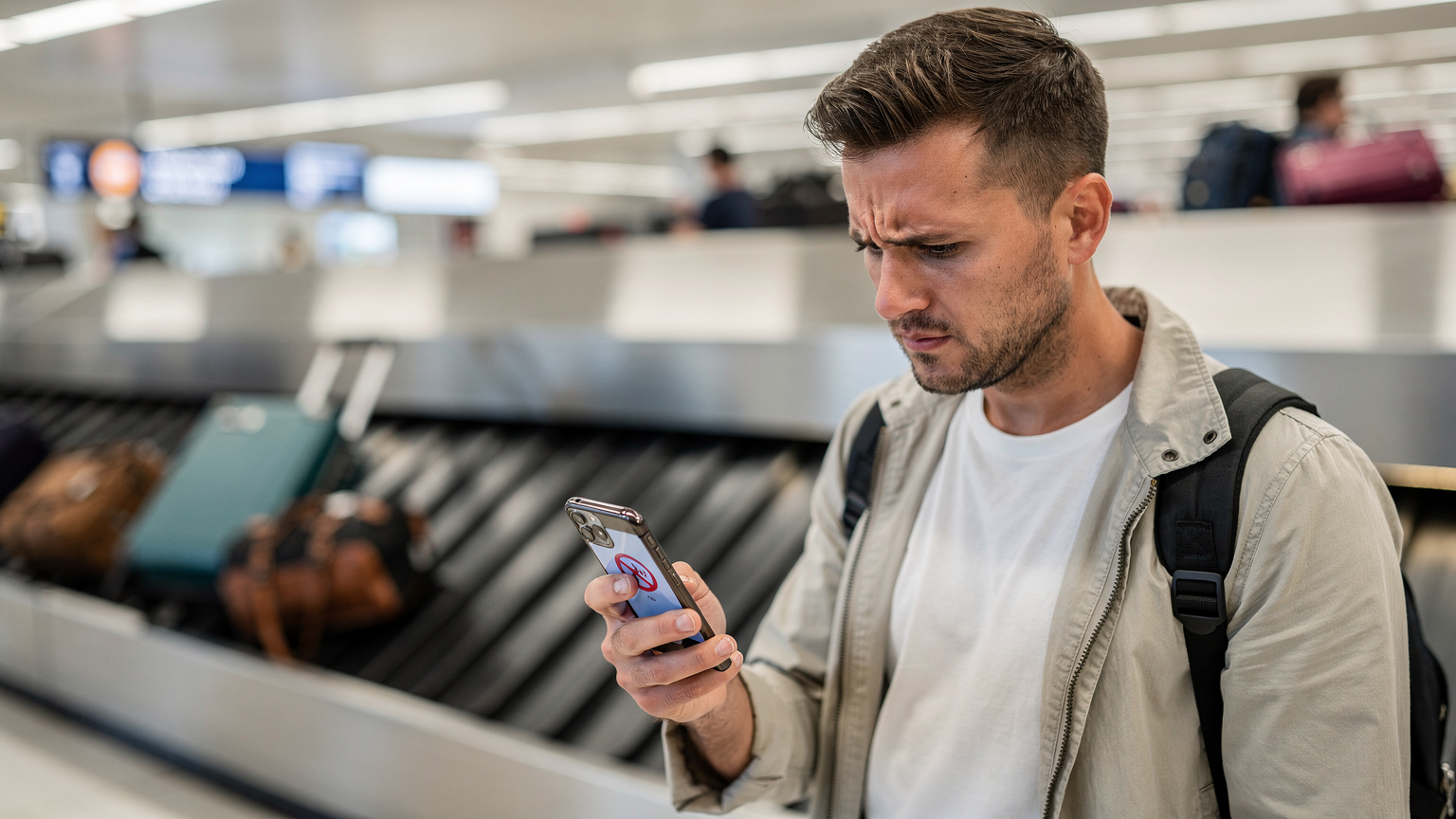
I once saw a guy at the Lao-Thai border arguing with a street vendor because his newly bought Thai SIM wasn't working. He was sweating, stressed, and clearly overpaid. This is the exact scenario an eSIM helps you avoid. Having pre-activated data means you can immediately use Google Maps, translate apps, or call your pre-booked accommodation the moment you step into a new country.
When to Pick Cellesim, and When Nomad Might Work
No single eSIM provider is perfect for every single scenario. Your choice ultimately depends on your specific travel style, duration, and budget. Here’s my breakdown:
Choose Cellesim If:
- You're a budget backpacker: The slightly lower per-GB cost adds up over long trips.
- You're country-hopping extensively: Cellesim's regional plans often cover more countries, making border crossings smoother.
- You value reliable network partners: Their frequent use of Tier 1 networks generally means better speeds and coverage.
- You need quick, responsive customer support: For those moments when things go wrong, a fast resolution is key.
- You want transparent data usage tracking: More accurate in-app monitoring helps you stay within budget.
Consider Nomad eSIM If:
- You find a specific limited-time deal: Occasionally, Nomad eSIM runs promotions that might make a particular plan more attractive.
- Your trip is to a single, well-covered country: For popular tourist destinations, both providers are likely to offer good options, and Nomad eSIM might have a specific plan that aligns perfectly.
- You prefer a slightly different app interface: Personal preference plays a role, and some might find Nomad eSIM's app design more appealing.
| Feature | Cellesim Advantage | Nomad eSIM Advantage |
|---|---|---|
| Cost per GB | Generally lower, especially for multi-country and larger packages. | Occasional flash sales can be competitive for specific destinations. |
| Regional Coverage | Broader country inclusion in regional plans (e.g., Europe, Asia). | Good coverage in major tourist hubs, but regional plans can be narrower. |
| Network Quality | Frequent partnerships with Tier 1 networks for reliability. | Reputable partners, but sometimes Tier 2 in less critical areas. |
| App Experience | Clean, streamlined, and user-friendly interface for quick plan management. | Comprehensive, though can feel a bit cluttered at times. |
| Customer Support | Generally faster and more effective response times for troubleshooting. | Responsive, but might have slightly longer wait times. |
| Flexibility & Validity | More diverse long-term options for digital nomads and extended stays. | Good range of short-term and medium-term plans. |
Final Verdict: Every Euro Counts
For me, as someone who lives and breathes budget travel, Cellesim consistently comes out ahead. The small savings on per-GB costs, the broader regional coverage, and the smoother user experience all add up to a more reliable and cost-effective solution for staying connected on the road. When you're trying to stretch your euros as far as possible, every cent matters.
Of course, always do your own quick comparison for your specific destination and travel dates. Prices change, and promotions come and go. But as a general rule, if you're looking for an eSIM that won't surprise you with hidden costs or leave you stranded at a border, Cellesim is the smarter bet for 2026. Don't waste money on overpriced data, save it for an extra night at a decent hostel or a street food feast!
Frequently Asked Questions
Is Cellesim cheaper than Nomad eSIM?
Based on my analysis of common plans, Cellesim generally offers a lower per-GB cost, especially for regional and larger data packages. This difference, though seemingly small per gigabyte, can lead to significant savings over longer trips or higher data consumption.
Which eSIM offers better coverage for multi-country trips?
Cellesim typically provides broader country inclusion within its regional eSIM plans, making it more advantageous for travellers hopping between multiple countries. This ensures more seamless connectivity across borders without needing separate plans.
Can I make calls and send SMS with Cellesim or Nomad eSIM?
Both Cellesim and Nomad eSIM primarily offer data-only plans. For traditional calls and SMS, you'll need to keep your physical SIM active (with roaming disabled for data) or rely on VoIP apps like WhatsApp or Messenger over your eSIM data connection.
How accurate is data tracking in the eSIM apps?
Both providers offer in-app data usage tracking. In my experience, Cellesim's tracking tends to be more real-time and accurate, which is crucial for managing your data budget effectively and avoiding unexpected cut-offs.
What's the best way to install an eSIM?
Always install your eSIM on a stable Wi-Fi connection before you travel. Scan the QR code provided by the eSIM provider, follow the on-screen instructions, and ensure you enable data roaming for the eSIM profile while disabling it for your primary SIM to avoid charges.
Are local physical SIMs always cheaper than eSIMs?
For long stays (over a month) in a single country, a local physical SIM will almost always be cheaper per GB than an eSIM. However, eSIMs offer unmatched convenience for shorter trips or multi-country itineraries by eliminating the need to search for local vendors and swap SIMs.
See also: eSIM for North Macedonia