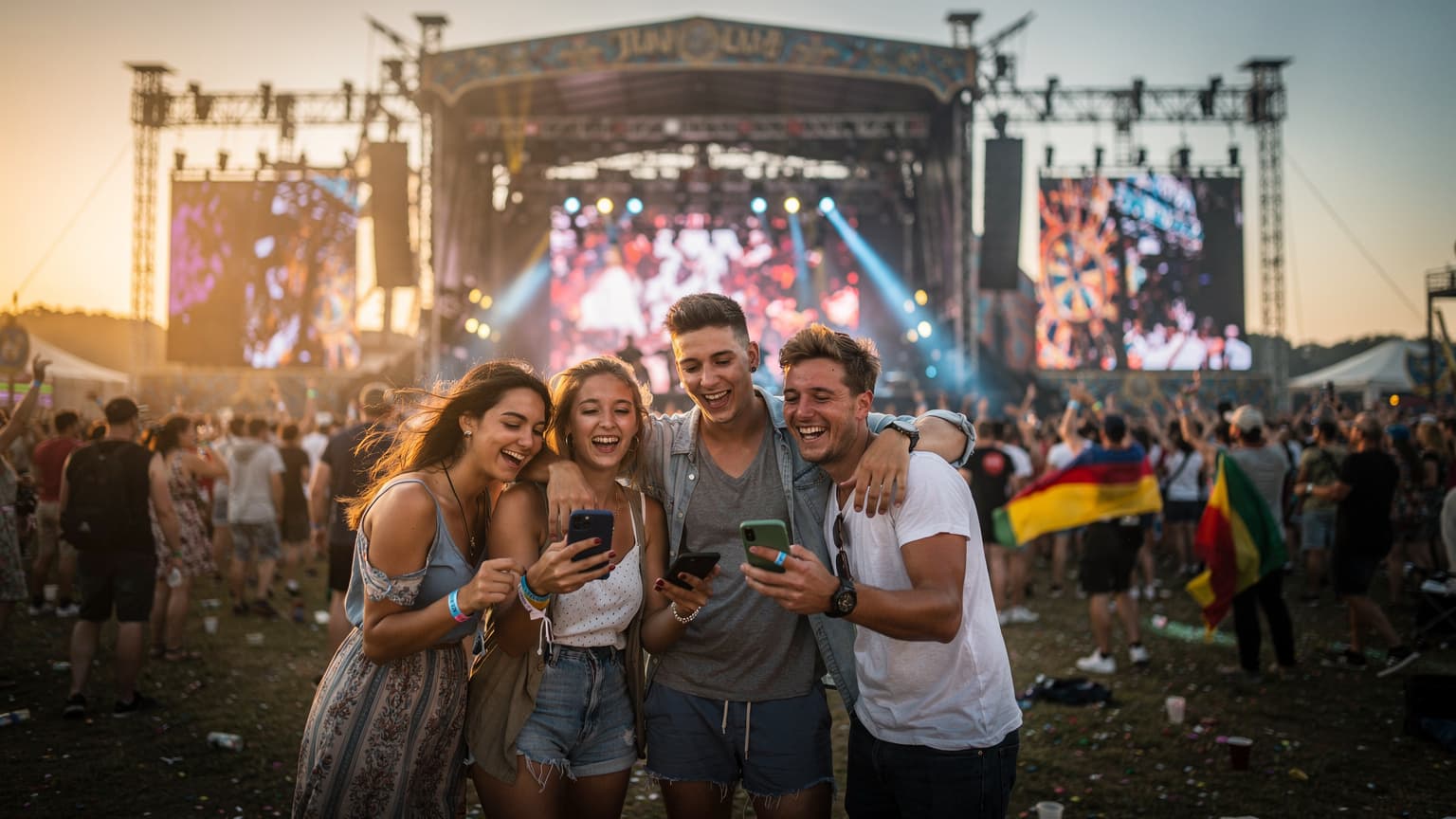
Why Your Old Roaming Plan Won't Cut It at Glastonbury
I remember Glastonbury 2011, standing somewhere near the Pyramid Stage, trying to coordinate with friends over a crackly phone call that dropped faster than a muddy tent pole. My then-US carrier, bless its heart, swore their international roaming would be 'seamless'. Seamless, it was not. Fast forward to today, and while network infrastructure has improved, festival sites remain notoriously challenging for mobile data. If you’re heading to Worthy Farm this summer, relying on your standard T-Mobile or AT&T international roaming package is a gamble I wouldn’t take.
These plans, while convenient in a major city like London's Shoreditch or Bristol's Clifton Village, are often throttled or deprioritized in high-density areas. At Glastonbury, with hundreds of thousands of people trying to upload their best Pyramid Stage selfie simultaneously, those 'unlimited' roaming plans quickly feel like dial-up. I've heard stories from friends who couldn't even load the official Glastonbury app to check stage times, let alone message their group on WhatsApp. It’s a classic case of too many users, not enough bandwidth, and your roaming data often gets pushed to the back of the queue.
The Hidden Costs of Traditional Roaming
Beyond the potential for frustratingly slow speeds, traditional roaming can hit your wallet hard. While some US carriers offer daily passes or included international data, the cost per gigabyte often far exceeds what you’d pay with a dedicated eSIM for iPhones or Android devices. I once got a shock bill after a festival in Spain's Primavera Sound where I thought my 'free' roaming applied, only to find out I'd crossed into an unsupported network area for a few hours. The bill for those few hours of trying to find the Fórum Park stage was more than my festival ticket.
It's not just the direct charges. Think about all the little ways you use data at a festival: checking the weather, finding food stalls, coordinating meet-ups, using payment apps like Revolut or Wise, and, yes, the occasional Instagram story (if you can get it to load). Each of those actions siphons off your data, and if you're paying a premium for every MB, those costs add up quicker than you can say 'encore'.
| Provider Type | Cost per GB (approx.) | Activation | Flexibility |
|---|---|---|---|
| US Carrier Roaming | $10-20 (often throttled) | Automatic (if plan active) | Low (tied to existing plan) |
| Local Physical SIM | $2-5 | In-store purchase, ID check | Medium (can vary by country) |
| Cellesim eSIM | $1-7 | Instant QR code | High (multiple plans, easy switching) |
The Logistics of Physical SIMs in a Field
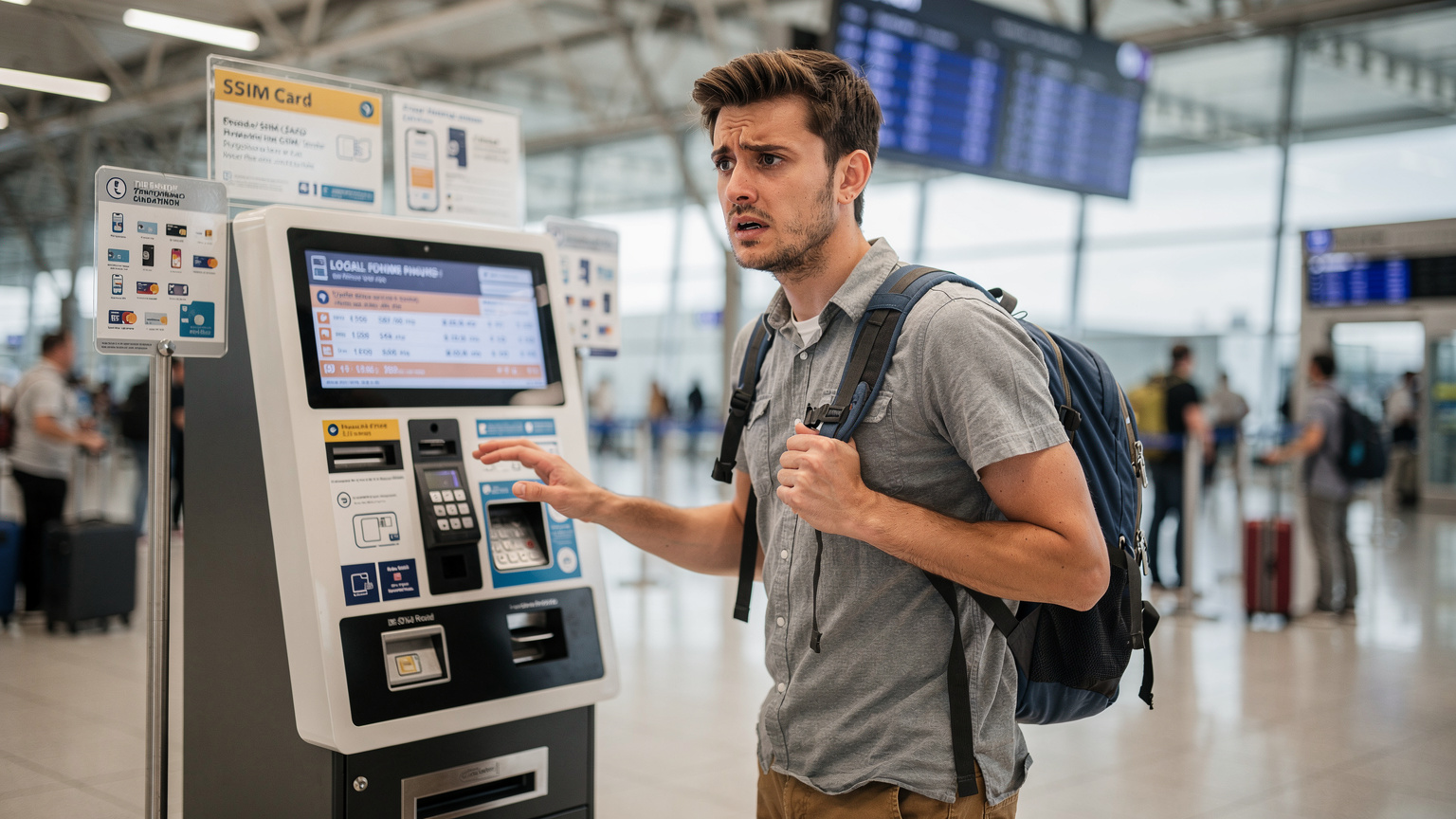
Another option, of course, is picking up a local physical SIM card once you arrive in the UK. This works brilliantly if you're spending a week in, say, Manchester's Northern Quarter or exploring the Scottish Highlands. You pop into an O2 or Vodafone store, show your ID, and you're good to go. But at a festival? Imagine arriving at Bristol Airport, trying to find a phone shop that's open past 6 PM, then navigating the bus to Pilton, only to realize the festival site itself has no official carrier stores. I tried this once at Roskilde in Denmark, spent two hours trying to find a physical shop that wasn't just a vending machine, and almost missed my train to the festival grounds.
Even if you manage to grab one in a nearby town, swapping out your primary SIM card carries its own risks. Losing that tiny piece of plastic in a crowded tent or a muddy field is a surefire way to stress you out. Plus, many newer phones, especially recent iPhone models, don't even have physical SIM trays anymore, making this a non-starter for many.
eSIM vs. Local SIMs: The Tomorrowland Test
Heading to Boom for Tomorrowland? The same connectivity challenges apply, perhaps even more so with the sheer international scale of the event. Tomorrowland, located in a rather serene part of Belgium, transforms into a sprawling, high-tech city for a few days. The local infrastructure, while robust enough for daily life, gets stretched thin. This is where an eSIM truly shines, especially for those who value convenience and guaranteed data from the moment they land at Brussels Airport (Zaventem).
Why eSIM is a Festival Game-Changer
An eSIM, or embedded SIM, is essentially a digital SIM card that lives inside your phone. There's no physical card to swap, no tiny pin to fiddle with, and no need to hunt down a local mobile shop. You buy a plan online, scan a QR code, and your phone connects to a local network. For Tomorrowland, where thousands of people arrive from every corner of the globe, this is a lifesaver. You can land, activate your plan on the train from Zaventem to Boom, and be fully connected before you even set foot on the festival grounds.
Think about it: no more queuing at kiosks, no language barriers, and no worrying about incompatible SIM sizes. You keep your primary SIM active (if you need it for calls/texts), and your eSIM handles all your data needs. This dual-SIM capability is a real blessing, allowing you to stay reachable on your home number while enjoying affordable local data.
Navigating Belgian Networks with eSIM
When you activate an eSIM for Belgium, Cellesim typically partners with major local operators like Proximus or Orange Belgium. These networks are generally strong, but like anywhere, performance can fluctuate in dense crowds. The key is that your eSIM connects you to the strongest available signal, often giving you a better chance at consistent service than a deprioritized roaming plan. I’ve found that even if one network is struggling, the eSIM often has the flexibility to hop onto another partner network, something your home carrier usually won't do for you.
In the past, I've had issues with slow speeds in the De Schorre area around Tomorrowland. But with an eSIM, the ability to monitor my data usage and even switch to a different plan if one isn't performing (though Cellesim does its best to ensure optimal routing) has been a godsend. It's a level of control you just don't get with traditional options.
Choosing the Right eSIM Plan for Sziget and Beyond
If your summer pilgrimage takes you to Sziget Festival on Óbudai-sziget, Budapest, you'll find similar network dynamics. Hungary's mobile networks, primarily Vodafone, Telenor (Yettel), and Telekom, are generally excellent. However, a massive influx of festival-goers to a relatively small island can, and does, strain capacity. Choosing the right eSIM plan is crucial here, not just for the festival but for exploring Budapest's Pest side, strolling through the Jewish Quarter, or finding your way to a ruin bar in District VII.
Data Needs for the Average Festival-Goer
How much data do you actually need? This is the million-dollar question, and it really depends on your usage. For a 5-7 day festival, here’s a rough guide:
- Light User (5-10 GB): Mostly messaging, checking stage times, light social media.
- Medium User (10-20 GB): Frequent social media, some video calls, navigation, light streaming.
- Heavy User (20+ GB): Daily video uploads, constant streaming, using your phone as a hotspot (though I'd advise against this at a festival unless absolutely necessary).
Remember, festival Wi-Fi is often slow, unreliable, and sometimes non-existent. You'll be relying heavily on your mobile data, so it's better to overestimate slightly than to run out halfway through a DJ set.
Understanding eSIM Plan Types and Coverage
Cellesim offers various plans, from country-specific options (like a Movistar eSIM Spain if you're hitting up BBK Live beforehand) to regional Europe-wide packages. For the festival circuit, a regional plan often makes the most sense, especially if you're hopping between countries like the UK, Belgium, and Hungary. This way, you don't have to buy a new eSIM for each border crossing.
When choosing, always check the listed network partners. For Hungary, an eSIM that connects to Vodafone or Telekom would be ideal. For Glastonbury, it's typically EE, Vodafone, or O2. These details are usually transparently provided by eSIM providers. Don't fall for plans that promise 'any network' without specifying, as you might end up on a weaker, less reliable one.
Activating Your eSIM: A Step-by-Step Guide for Festival-Goers
Activating your eSIM is surprisingly straightforward, a far cry from my old travel woes of trying to explain to a shopkeeper in Bucharest that I needed a nano-SIM and not a micro-SIM. This process can usually be done entirely before you even leave home, or, ideally, while you're still at your arrival airport, like London Heathrow Terminal 2, or Budapest Liszt Ferenc International Airport.
Before You Go: Preparation is Key
- Check Device Compatibility: Ensure your phone supports eSIM. Most newer iPhones (XS and later) and many Android flagships do. A quick search for 'eSIM compatible phones' will confirm.
- Purchase Your Plan: Visit the Cellesim website and choose a plan that suits your data needs and travel itinerary. For multiple festivals, a regional European plan is usually the most economical.
- Receive Your QR Code: After purchase, you'll receive an email with a QR code and detailed instructions. Keep this email accessible, perhaps by printing it or saving a screenshot to another device.
- Download the Cellesim App (Optional): The Cellesim app can sometimes simplify management, but the QR code method is universal.
On Arrival: Activating Your eSIM
- Connect to Wi-Fi: While an eSIM doesn't always strictly require Wi-Fi for installation, having a stable connection at your hotel or the airport (like the free Wi-Fi at Brussels Airport, available for the first 30 minutes) makes the process smoother.
- Go to Settings: For iPhones, navigate to Settings > Cellular (or Mobile Data) > Add eSIM. For Android, it's typically Settings > Network & Internet > SIMs > Add more.
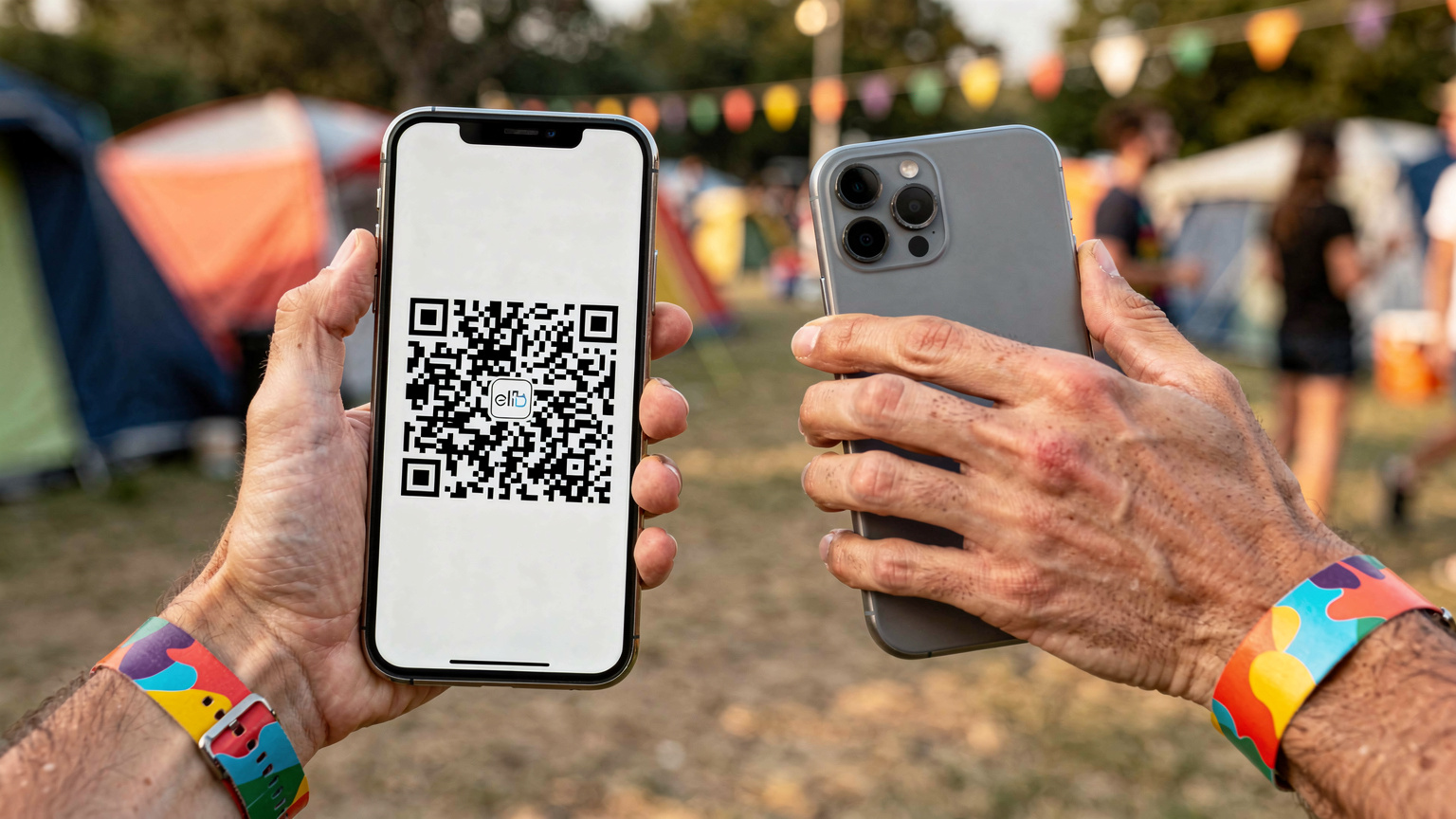
- Scan the QR Code: Your phone will open its camera. Scan the QR code from the Cellesim email. If you're scanning from the same phone, you might need to manually enter the activation details, which are usually provided alongside the QR code.
- Follow Prompts: Your phone will guide you through naming your new eSIM (e.g., 'Festival Data'), setting it as your primary for data, and configuring other preferences.
- Enable Data Roaming for eSIM: Crucially, make sure 'Data Roaming' is enabled for your new eSIM line. This sounds counterintuitive, but it allows your eSIM to connect to partner networks abroad.
- Test Connection: Once installed, disable your primary SIM's data and try browsing a webpage or sending a message. If it works, you're good to go! If not, check out Why Your eSIM Shows No Service Abroad for troubleshooting steps.
Real-World Connectivity: What to Expect at Peak Times
Let's be real, even with the best eSIM and the most robust network, a festival site during a headliner's set is going to test the limits of any mobile connection. Whether you're in the thick of it at the Arcadia Spider at Glastonbury, or immersed in the main stage crowd at Tomorrowland, don't expect lightning-fast 5G speeds. The sheer density of users creates a bottleneck.
Managing Expectations: Speed Caps and Crowds
Many budget-friendly eSIM plans, including some of Cellesim's, might have a 256kbps speed cap after a certain amount of high-speed data. While this sounds slow, it's often more than enough for messaging, light browsing, and even basic navigation. For critical moments, like finding your friend who's 'just left the Leftfield Stage', that consistent, albeit slower, connection is far more valuable than a fluctuating high-speed one. I've personally found a steady 256kbps connection to be reliable for pulling up Google Maps, even in a packed area like Budapest's Deák Ferenc Square.
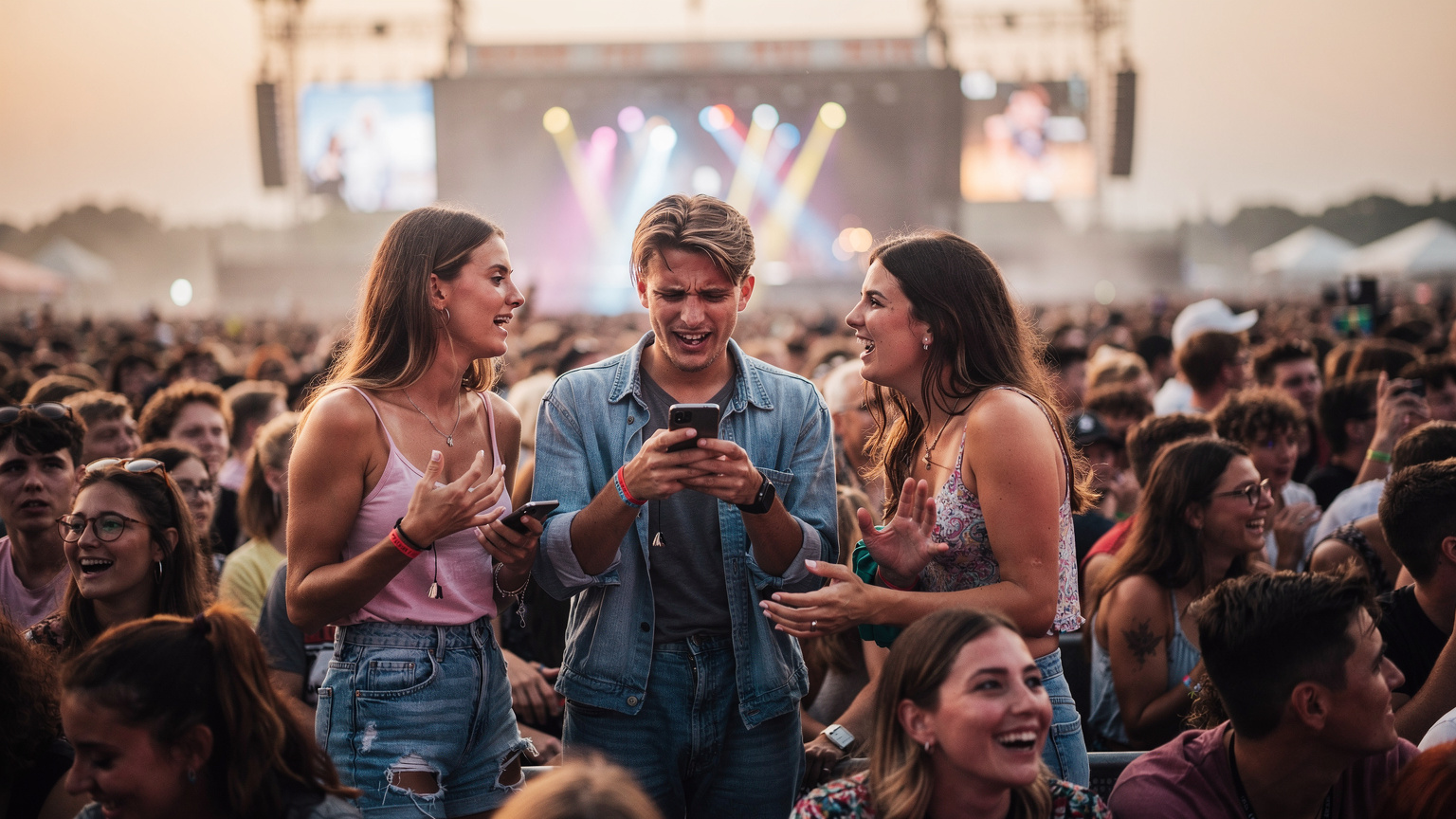
During peak festival hours, especially when major acts are performing, even premium plans might see a dip in performance. This isn't an eSIM flaw, but a network reality. The cell towers are simply overwhelmed. Your best bet is to manage your expectations and prioritize essential communication over high-bandwidth activities.
Carrier Priority: A Festival Fact of Life
In many countries, local contracts (especially post-paid) often get priority on the network over prepaid SIMs and, by extension, some eSIMs. This means that if you're on a Cellesim eSIM plan using, say, Vodafone UK's network at Glastonbury, a local Vodafone UK customer might get slightly better speeds during periods of extreme congestion. It's a minor point, but worth understanding.
However, the difference is often negligible in a truly overloaded scenario. The primary advantage of the eSIM still holds: guaranteed access to a local network at a competitive price, without the physical hassle. For navigating the crowds on the Pont Neuf in Paris, or trying to hail a taxi after a festival in the Hungarian countryside, that access is paramount.
Data-Saving Hacks to Stretch Your eSIM at Festivals
Even with a generous eSIM plan, festivals are environments where data can vanish faster than your clean socks. Between coordinating with friends, uploading snippets of your favorite band, and checking the festival map, those gigabytes can disappear. Here are a few tricks I've picked up over the years to make your data last.
Before You Arrive: Pre-Load and Prepare
- Download Offline Maps: Before you even leave your hotel in London's Fitzrovia or a rented apartment in Brussels' Ixelles, download offline maps for the festival area and surrounding towns on Google Maps. This way, navigation uses zero data.
- Pre-Download Music and Podcasts: If you rely on music for your commute or downtime, download albums and podcasts on Spotify or Apple Music over Wi-Fi.
- Festival App Offline Mode: Check if the official festival app (Glastonbury, Tomorrowland, Sziget) has an offline mode for schedules and maps. Many do, and it's a huge data saver.
On-Site: Smart Usage
- Disable Auto-Play and Background App Refresh: These are notorious data hogs. Go into your phone settings and turn off auto-play for videos on social media and disable background refresh for apps you don't need constantly updating.
- Low Data Mode: Enable 'Low Data Mode' (iOS) or 'Data Saver' (Android) in your phone settings. This tells apps to use less data where possible.
- WhatsApp over Photos: When coordinating, send text messages or voice notes on WhatsApp instead of high-resolution photos or videos. If you must send a photo, compress it first.
- Wi-Fi When Available: While festival Wi-Fi can be patchy, if you find a stable hotspot (sometimes offered in VIP areas or specific charging tents), use it for heavy tasks like uploading videos or making video calls.
Troubleshooting Common eSIM Headaches On-Site
Even the best-laid plans can hit a snag. I've had my share of 'why isn't this working?' moments, from trying to get a signal in the depths of a Berlin U-Bahn tunnel (thankfully, the BVG has improved that in recent years) to struggling with a dodgy Wi-Fi connection in a remote guesthouse in Southeast Asia. Here's a quick guide to getting back online if your eSIM isn't playing ball at the festival.
Basic Checks: The First Line of Defense
- Restart Your Phone: The oldest trick in the book, but often effective. A quick reboot can resolve many temporary network glitches.
- Check eSIM Settings: Go into your phone's Cellular/Mobile Data settings. Ensure your Cellesim eSIM is selected for 'Mobile Data' and that 'Data Roaming' is enabled for that line.
- Airplane Mode Toggle: Turn Airplane Mode on for 30 seconds, then off again. This forces your phone to re-establish a connection with the network towers.
- Network Selection: Sometimes, your phone might try to connect to a weaker network. In your settings, try manually selecting a network operator that Cellesim partners with (e.g., Vodafone UK at Glastonbury, Proximus in Belgium).
- Check Data Usage: Have you simply run out of data? Log into your Cellesim account to check your remaining balance. If you're low, topping up is usually quick and easy.
When All Else Fails: Advanced Steps
If the basics don't work, it's time for a slightly deeper dive. Remember, patience is a virtue, especially in a field full of people vying for signal.
- APN Settings: While Cellesim eSIMs usually configure APN (Access Point Name) settings automatically, sometimes they need a manual tweak. Check your Cellesim activation email or support page for the correct APN settings and enter them manually in your phone's network settings.
- Reset Network Settings: This is a more drastic step and will clear all saved Wi-Fi passwords and Bluetooth connections, but it can resolve persistent network issues. (Go to Settings > General > Transfer or Reset iPhone > Reset > Reset Network Settings on iOS, or similar on Android.)
- Contact Cellesim Support: If you're still stuck, reach out to Cellesim's customer support. They can check your plan status and offer remote troubleshooting. If you don't have data, try to find a Wi-Fi hotspot, perhaps at a nearby café if you're off the festival grounds, or even borrow a friend's phone.
The Post-Festival Data Plan: What to Do Next
The tents are down, the music has faded, and you're making your way home, perhaps via a long train journey from Pilton to London Paddington, or from Boom back to Brussels Central Station. Your eSIM has served you well through the mud and the music, but what now? The beauty of an eSIM is its flexibility, allowing you to seamlessly transition back to your normal life, or onto your next adventure, without fuss.
Deactivating or Keeping Your eSIM
Once your festival fun is over, you have a few options for your eSIM:
- Deactivate (Delete) It: If you don't have immediate travel plans, you can simply remove the eSIM profile from your phone. This frees up the digital slot and prevents any accidental data usage.
- Keep It for Future Travel: If you're a frequent traveler, especially within Europe, you might consider keeping the eSIM profile installed. When you next travel, you can simply purchase a new data package for that same eSIM profile, making activation even quicker.
- Regional vs. Country Specific: If your eSIM was a regional European plan, and you're now moving to another European country (say, hopping from Hungary to Greece for some island hopping near Mykonos), your plan might still be active and usable. Always check the plan's coverage details.
Planning Your Next Digital Adventure
The festival circuit might be winding down, but your travel doesn't have to. With an eSIM, managing your data for subsequent trips is just as easy. Whether you're planning a backpacking trip through the Balkans, needing an Azerbaijan eSIM, or exploring the ancient ruins of Greece with a Cosmote eSIM Greece, the principles remain the same. Buy your plan, scan your code, and stay connected.
I've personally found eSIMs to be indispensable for multi-country itineraries. Instead of juggling multiple physical SIMs, or getting hit with ridiculous roaming charges for a quick stopover, I can activate a regional plan that covers most of my journey. It truly takes one major headache out of international travel, letting you focus on the actual experience, rather than worrying about finding a phone shop that's open and has a compatible SIM.
Frequently Asked Questions
Will my eSIM work in the middle of a crowded festival site like Glastonbury?
Yes, your Cellesim eSIM will connect to local networks like EE, Vodafone, or O2 in the UK. While all networks face congestion at festivals due to high user density, an eSIM typically offers more reliable and affordable access than international roaming plans, which are often deprioritized.
How much data should I buy for a 5-day festival?
For a 5-day festival like Tomorrowland or Sziget, most users find 10-20 GB sufficient for messaging, social media, light browsing, and occasional navigation. Heavy users, especially those uploading videos or hotspotting, might need 20+ GB. It's always better to slightly overestimate.
Can I use my regular phone number for calls and texts with an eSIM active?
Absolutely. With an eSIM, you can keep your primary physical SIM card active for calls and texts on your home number, while using the eSIM solely for mobile data. This dual-SIM functionality is a major advantage for travelers.
What if my eSIM shows no service after activation at the festival?
First, try restarting your phone and toggling Airplane Mode. Ensure 'Data Roaming' is enabled for your eSIM line in your phone's settings. If issues persist, check your Cellesim account to ensure you haven't run out of data, or contact Cellesim support for further troubleshooting.
Is an eSIM cheaper than buying a local physical SIM card at the airport?
Generally, yes. Cellesim eSIMs often offer a better cost-per-gigabyte than airport kiosks, and they save you the hassle of queuing, language barriers, and finding a physical store. You also avoid the risk of losing your primary SIM card.
Can I use my eSIM in multiple European countries if I'm going to more than one festival?
Yes, Cellesim offers regional European eSIM plans that cover multiple countries, including the UK, Belgium, and Hungary. This is ideal for a festival circuit trip, as you won't need to purchase a new eSIM for each country.
See also: eSIM for Denmark