The Real Cost of Connectivity: My 8-Day European Data Budget
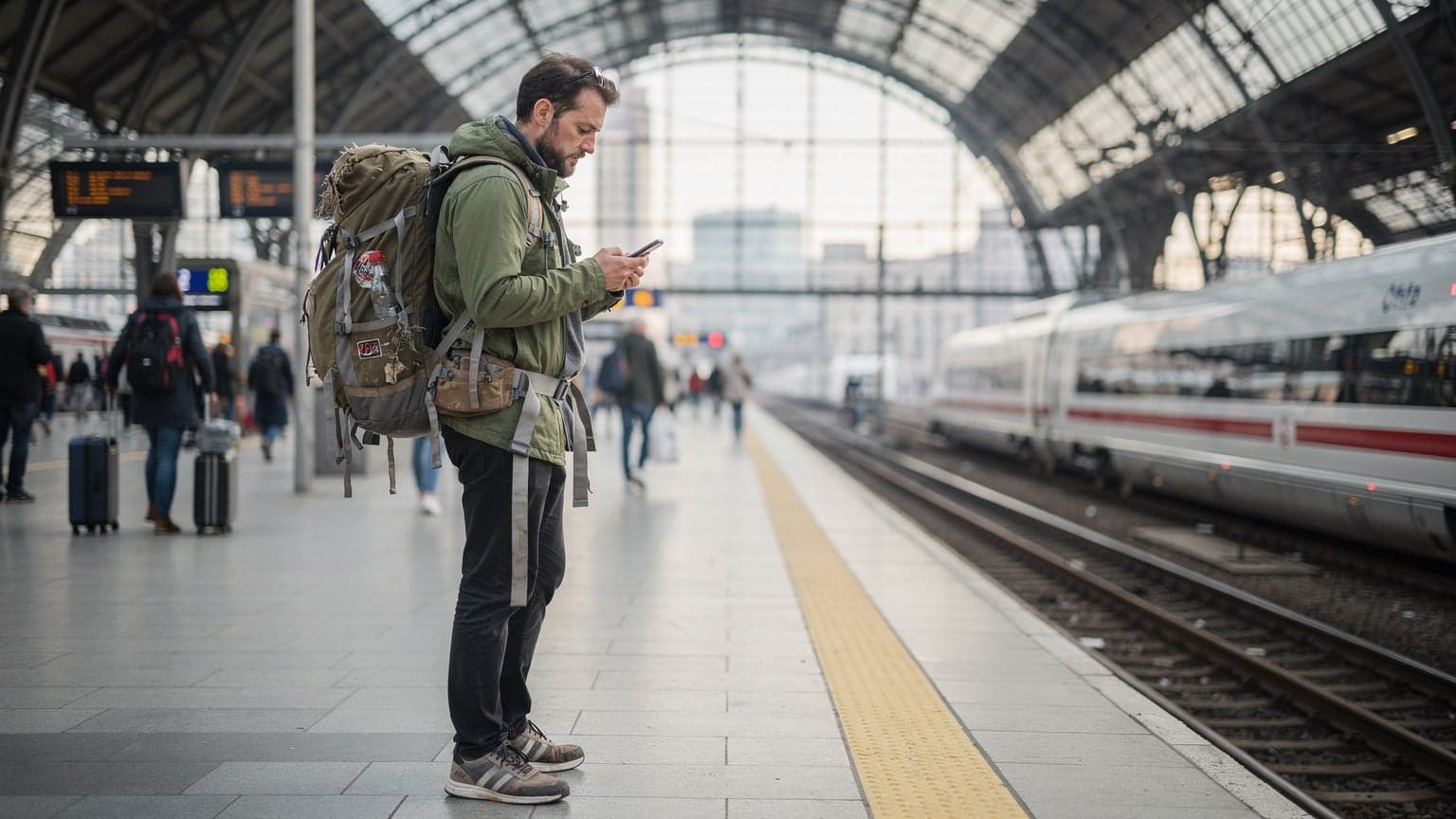
Let's talk real numbers. My last hostel-hopping trip through Central Europe, hitting Krakow, Budapest, and Vienna, taught me a lot about managing data. I actually spent €280 on data for 8 days. That's a lot, and it was mostly because I was testing a new phone and being a bit careless. Usually, I'd budget about half that, maybe €120-150.
That €280 bought me roughly 40GB across three different eSIMs. Why so much? I was uploading huge video files and not bothering to find hostel WiFi. If you're just using Google Maps to find your way, sending WhatsApp messages, and occasionally posting an Instagram story, you'll spend much less.
The trick is knowing how much prices differ by region and choosing the right plan. You wouldn't pay €5 for a bottle of water in Albania, so why would you pay €10/GB for data in Thailand? The global average for a gigabyte is around €2.50, but that number is heavily skewed by some truly expensive places. As a budget traveler, you need to be smarter. Always aim for less than €1/GB whenever you can.
My Personal Data Consumption Breakdown
- Google Maps/Navigation (20%): Essential for finding those hidden hostels and tricky bus stops.
- WhatsApp/Messaging (15%): Staying in touch with travel buddies and family.
- Social Media (30%): Instagram stories, quick Facebook checks, Substack updates.
- Email/Light Browsing (10%): Planning the next leg, checking train schedules.
- Video Streaming/Uploads (25%): This is where I messed up my budget, uploading festival clips. Don't make my mistake.
For most backpackers, 2-3GB per day is a good estimate. So, for a 10-day trip, you're looking at 20-30GB. Multiply that by the price per GB in your destination, and you've got your data budget. It's that simple.
East Asia and Southeast Asia: The Kings of Cheap Data
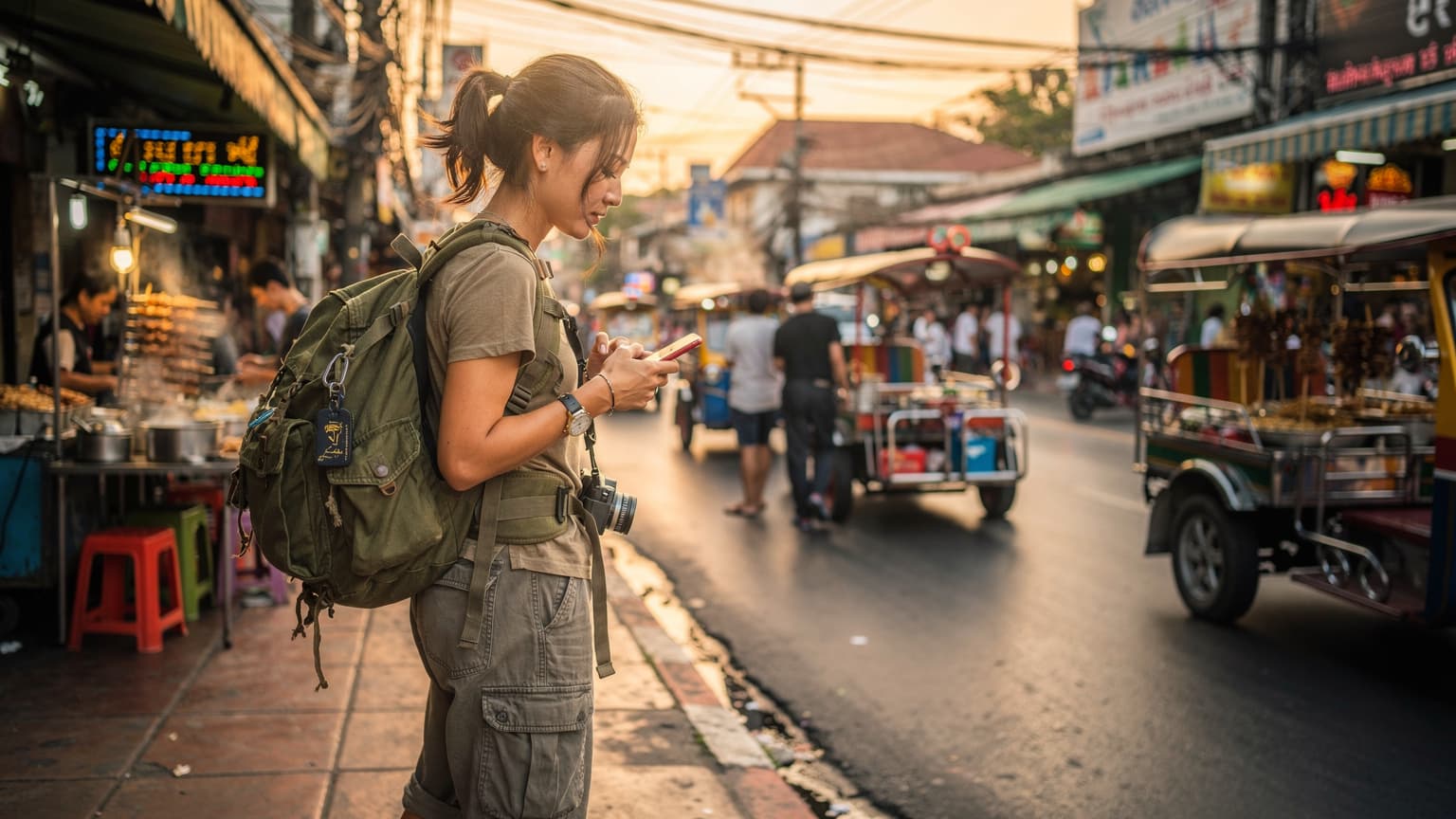
If Southeast Asia is on your list, get ready for a data paradise. This region consistently has some of the cheapest mobile data in the world. We're talking pennies per gigabyte. Seriously, it's often cheaper than a bottle of water.
Thailand and Vietnam: The Backpackers' Dream
In Thailand, a local SIM from AIS or TrueMove H will cost you about 200-300 THB (€5-€8) for 10-15GB, good for 30 days. That's an amazing deal. Vietnam, with providers like Viettel or Mobifone, offers similar, often even cheaper, plans. Think 100,000-150,000 VND (€4-€6) for a generous amount of data. It's so cheap, you barely need to watch your usage.
For example, on my last trip through Vietnam, I picked up a 15GB Viettel SIM at Hanoi's Noi Bai airport for 120,000 VND, which is about €4.70. I was there for 12 days, used roughly 1.2GB a day, totaling around 14.4GB. The cost per GB? About €0.32. You can't beat that price.
Japan and South Korea: eSIMs for Seamless Connectivity
Japan and South Korea are a bit different. It's tough for tourists to get local physical SIMs, often requiring residency or complicated registration. This is where eSIMs really shine. For South Korea, you can grab a Cellesim eSIM with 10GB for €15, valid for 15 days. That's €1.50/GB, still very reasonable, and you skip the hassle of finding a local store and dealing with language barriers at Incheon Airport. It's faster and less stressful, especially if you arrive late or just want to head straight to a festival.
Eastern Europe and the Baltics: Unexpected Bargains
This region is a goldmine for travelers on a budget. While Western Europe often has higher data costs, Eastern Europe and the Baltics offer fantastic deals, especially if you use local physical SIMs or regional eSIMs.
The Balkans and Beyond: Where Every Euro Counts
In countries like Romania, Bulgaria, Serbia, and even Montenegro (though roaming in Montenegro can hit you hard if you're not careful), you can find prepaid SIMs for incredibly low prices. I once got a 20GB SIM from Orange in Romania for 40 RON (€8). That's €0.40/GB, for a whole month! These are the kinds of deals that make long-term backpacking trips affordable.
When you're crossing borders in the Balkans, look into regional plans. Sometimes, a regional eSIM that covers several countries is cheaper than buying individual local SIMs, especially if you're only spending a few days in each place. This is particularly true for countries like Albania and North Macedonia, where local providers can be a bit more scattered.
Poland and the Baltics: Reliable and Affordable
Poland, with providers like Play or Orange, offers great value. A 30GB local SIM can be as cheap as 30 PLN (€7). In the Baltics, particularly Lithuania and Latvia, Telia and Tele2 have competitive packages. These countries are also usually very eSIM-friendly, so you have choices. My rule of thumb: if a local SIM costs less than €10 for 15GB or more, go for it. Otherwise, check Cellesim's regional eSIMs.
Western Europe and the UK: A Mixed Bag of Prices
Western Europe is where data starts to get a bit pricier, but it's still manageable. The key here is to use EU roaming rules if you're coming from another EU country, or pick a multi-country eSIM.
Spain, Italy, and France: The Costlier Corners
In Spain, operators like Orange or Vodafone offer tourist SIMs, but they're not as cheap as what you'd find in Southeast Asia. Expect to pay around €15-€25 for 10-20GB. Italy and France are similar. For example, a 15GB TIM SIM in Italy might cost €20. If you're moving between these countries, a regional eSIM makes more sense, saving you the time and effort of buying a new SIM in each spot.
Consider a Cellesim Europe eSIM, which gives you 20GB for €25, valid across 30+ countries for 30 days. That's €1.25/GB, which is competitive with local SIMs, and you only have to buy one. This is super helpful for multi-country trips, especially if you have tight schedules between trains or want to avoid language barriers.
The UK: Post-Brexit Data Deals
The UK, after Brexit, has its own rules. While some EU operators still offer free roaming, many have started charging. Local UK SIMs, like those from Giffgaff or Three, generally offer good value, costing around £10-£15 for 10-20GB. However, if you're just passing through or prefer the ease of an eSIM, there are plenty of options. Check out a detailed comparison of Cellesim vs. Giffgaff vs. Holafly for the UK.
North America: The Pricey Duopoly
Ah, North America. This is where your data budget can really take a hit. The US and Canada are infamous for high mobile data prices, mainly because there isn't much competition among the big carriers.
United States and Canada: Brace Your Wallet
In the US, T-Mobile, AT&T, and Verizon dominate, and prepaid tourist plans are rarely cheap. Expect to pay €30-€50 for 10-20GB. It's often cheaper to get an eSIM, even for a single country. For Canada, providers like Rogers, Bell, and Telus have similar pricing. A Cellesim eSIM for Canada offers 10GB for €20, which is often a better deal than what you'll find at the airport. You'll definitely want to compare T-Mobile's International Data Pass vs. Cellesim eSIM if you're looking at options from your home provider.
My advice? Go for a regional eSIM if you're traveling to both the US and Canada. It'll simplify things and usually give you better value than two separate local SIMs. A local physical SIM equivalent in the US might be a T-Mobile prepaid card, but you're looking at a minimum of $30-40 for just 5-10GB, often with slower speeds for tourists.
South America: Hitting the Sweet Spot
South America is full of pleasant surprises when it comes to data costs. While not as dirt cheap as Southeast Asia, it's generally much more affordable than North America or Western Europe.
Brazil, Colombia, and Argentina: Good Value eSIMs
In Brazil, Claro and Vivo offer decent prepaid SIMs, typically around 30-50 BRL (€5-€9) for 5-10GB. Colombia's Claro and Movistar are similar. Argentina, with its economic shifts, can be a bit more unpredictable, but you can still find good deals. The real winner here, especially for multi-country trips like crossing the Andes from Argentina into Chile, is a regional eSIM. A South America eSIM from Cellesim can cover 17 countries, giving you 10GB for €28, valid for 30 days. That's €2.80/GB, which is a fair price for such broad coverage and convenience.
Border-Crossing Data Strategy for South America
When you're crossing land borders in South America, like from Peru into Bolivia, or Colombia into Ecuador, having a regional eSIM activated before you even get to the crossing can be a lifesaver. Local SIM shops aren't often right at the border, and you don't want to rely on patchy bus station WiFi. I learned this the hard way trying to find a Tigo shop at the Rumichaca border crossing between Colombia and Ecuador, only to discover it was a 20-minute bus ride into Ipiales. Pre-bought eSIMs mean you're online the moment you step off the bus on the other side.
Middle East and North Africa: Surprising Affordability
This region is a mixed bag, but many countries offer surprisingly affordable data, especially considering the quality of their infrastructure.
Israel and Turkey: eSIM-Friendly and Cost-Effective
Israel stands out for cheap data. A local physical SIM from Partner or Cellcom can give you 50GB for around 50 ILS (€12), which is incredible value. However, the convenience of an eSIM for Israel, offering 10GB for €15, can often outweigh the slightly higher per-GB cost for shorter trips. For example, 10GB for €15 is €1.50/GB. If you're only there for a week, that's more than enough, and you won't waste time hunting for a SIM card shop. Turkey, with operators like Turkcell, is also very competitive, with local SIMs offering large data bundles for relatively low prices.
Morocco and Egypt: Local SIMs Still a Strong Contender
In Morocco, Maroc Telecom or Inwi offer good value local SIMs, often around 50-100 MAD (€5-€10) for 5-10GB. Egypt's Vodafone or Orange provide similar deals. For these countries, if you have time when you arrive, a local physical SIM is often the cheapest route. Just make sure to buy it at an official store, not a shady kiosk, to avoid inflated prices or scams. My advice is to get it right at the airport if possible, or in a major city center. Don't fall for the "tourist package" scams at secondary transport hubs.
Oceania and Remote Islands: When Data Becomes a Luxury
This is where your budget gets seriously tested. Data in Australia, New Zealand, and especially the smaller Pacific islands can be incredibly expensive.
Australia and New Zealand: High Prices, High Quality
In Australia, Optus or Telstra offer prepaid SIMs, but they are rarely cheap. Expect to pay AUD 30-40 (€18-€25) for 20-30GB. New Zealand is similar. If you're planning a long stay, a local SIM might be worth it, but for shorter trips, a regional eSIM can provide more flexibility. For example, a 10GB Australia eSIM might cost €25, putting it at €2.50/GB, which is competitive with local options when you consider the convenience.
The Pacific Islands: Prepare for Sticker Shock
This is where data prices get truly wild. In places like Fiji or Vanuatu, a local SIM might offer a tiny data bundle for a high price, often €10-€20 for just 1-2GB. Roaming is usually out of the question, sometimes costing over €100/GB. For these destinations, careful planning of your data usage, relying on hostel WiFi, and using an eSIM for emergencies is the only smart approach. Remember, in very remote areas, sometimes even eSIMs might use the same expensive local infrastructure, so keep your expectations realistic.
The eSIM Advantage: Why it Beats Local SIMs and Roaming for Backpackers
For budget backpackers, eSIMs are a game-changer. They offer unmatched flexibility and often better value than traditional roaming, and sometimes even local physical SIMs, especially for short trips or multi-country itineraries.
The Convenience and Cost Savings
No more hunting for SIM card shops, no more fumbling with tiny plastic cards, no more worrying about losing your home SIM. With an eSIM, you can buy and activate a data plan before you even land. This means you're connected the second you arrive. It saves time, stress, and often money, especially in countries where local SIMs require complicated registration or are simply more expensive for tourists.
I can't tell you how many times I've landed in a new country, exhausted from an overnight bus, and just wanted to find my hostel without battling a street vendor for a SIM card. An eSIM means I'm connected from the moment my plane touches down. That peace of mind is worth a few extra euros any day.
Keeping Your WhatsApp Number
One of the biggest perks of an eSIM is that you can keep your primary physical SIM active for calls and texts (or just to keep your WhatsApp number). This means you can use your data from the eSIM while still receiving messages on your home number. This is vital for staying in touch with friends and family, and for two-factor authentication for banking apps. For a detailed guide on this, check out Keep Your WhatsApp Number When Using a Travel eSIM.
How to Calculate Your Daily Data Needs and Save Cash
Don't just guess your data consumption. A little math can save you a lot of money.
Step-by-Step Data Budgeting
- Estimate Daily Usage: How much data do you typically use in a day at home? Check your phone's settings. For backpacking, 1-3GB is a good target for most, more if you're uploading videos or streaming.
- Multiply by Trip Duration: If you use 2GB/day for a 15-day trip, you'll need 30GB total.
- Research Regional Costs: Use tables like mine or Cellesim's country pages to find the average cost per GB in your destination.
- Compare Options: Look at local SIMs vs. regional eSIMs vs. specific country eSIMs. Divide the total price by the total GB to get the cost per GB.
- Choose Wisely: Pick the option that gives you the best cost per GB for your estimated needs.
For example, if you're going to use 30GB over 15 days in Europe, and a Cellesim Europe eSIM offers 30GB for €35, that's roughly €1.17/GB. Compare that to a local SIM that might offer 15GB for €20 (which is €1.33/GB) and you'll see the savings. Always do the math.
Data-Saving Hacks for the Road
- Download Offline Maps: Google Maps lets you download entire regions for offline use. Do it!
- Pre-Download Entertainment: Movies, podcasts, and music can all be downloaded over WiFi before you leave your hostel.
- Use Hostel WiFi: Always connect to free WiFi at your hostel, cafe, or train station for heavy uploads and downloads.
- Disable Background App Refresh: Go into your phone settings and turn this off for most apps.
- Low Data Mode: Most smartphones have a low data mode that limits background usage and compresses data. Turn it on.
Border-Crossing Data Strategies: Don't Get Caught Out
This is where many backpackers mess up and end up paying sky-high roaming fees. Always have a plan for borders.
The eSIM Border-Hop Strategy
- Buy Before You Go: Purchase a regional eSIM that covers all the countries you'll visit, or individual country eSIMs if a regional one isn't cost-effective for your specific route.
- Activate Before Arrival: Most eSIMs can be activated while you still have internet in your home country or the previous country. Do this! Don't wait until you're at a remote border.
- Cross with Confidence: As you cross the border, your phone will automatically switch to the new country's network via your active eSIM, giving you uninterrupted connectivity.
- Monitor Usage: Keep an eye on your data usage through your eSIM provider's app to avoid running out unexpectedly.
I once crossed from Laos into Cambodia and forgot to get a regional plan. I ended up paying €5 for 100MB at a roadside stall, only to find out a few hours later that a 5GB eSIM would have cost me €8. Lesson learned. Don't be me.
Physical SIM Border Crossing Tips
- Research Local Providers: Before you arrive at the border, know which local providers are reliable and where to find their official shops.
- Have Local Currency: Always have small bills of the local currency for SIM purchases, especially in smaller border towns.
- Avoid Tourist Traps: Be careful of vendors right at the border who might overcharge. If possible, wait until you reach a major town or city.
- Check ID Requirements: Some countries require passport registration for local SIMs. Have your passport ready.
Whether you choose an eSIM or a local physical SIM, the goal is always the same: connect affordably, reliably, and without stress. With a little planning and the right tools, you can keep your data budget happy, no matter where your backpack takes you.
See also: eSIM for Fiji
See also: Vanuatu eSIM
See also: Latvia eSIM
See also: Lithuania eSIM