T-Mobile eSIM Free Trial: The Fine Print for Travelers
Let's be clear: the T-Mobile eSIM free trial is only for domestic use. You get 30 days or 30GB of high-speed data, whichever comes first, to try out their network within the United States. It's a way for people in the US to test T-Mobile before committing, not a free pass for your trip to Athens. I've heard too many stories of travelers thinking "free trial" means free international data, only to find themselves stranded in a new country with no map access, trying to find an expensive taxi. That's a mistake that costs more than just data.
This trial is specifically for US residents with compatible devices who want to experience T-Mobile's 5G network speeds without a long-term commitment. It's a smart strategy for T-Mobile to attract customers from other carriers like AT&T or Verizon, but it's completely useless for international travelers. If your travel plans take you outside the US, this trial isn't for you. Don't bother activating it unless you're genuinely trying to see if T-Mobile's coverage is good in, say, downtown Austin, before you decide on a plan back home.
What the Trial Actually Offers
The T-Mobile eSIM free trial includes:
- 30 Days of Service: A full month to test the network.
- 30GB of High-Speed Data: Plenty for browsing, streaming, and maps if you're staying local.
- Unlimited Talk & Text: For domestic US use only.
- Access to T-Mobile's 5G Network: Good for checking speeds in your local area.
Notice what's missing? Anything about using it in France or Peru. This isn't some secret international roaming hack, despite what you might read on some forums.
Who is the T-Mobile Trial For, Really?
This trial is for potential long-term T-Mobile customers who live in the US. If you're with another carrier and thinking about switching, it's a legitimate way to check signal strength and data performance in your daily life. It's for someone who wants to know if T-Mobile's 5G is reliable enough for their commute on the Long Island Rail Road, not for someone trying to navigate the Tokyo Metro on a budget. If you do end up with an international plan, our guide on Finding Your eSIM Number: An Engineer's Guide for iPhone and Android 2026 might be helpful.
Why the T-Mobile Trial Won't Work Abroad
Here's the crucial part. T-Mobile's free trial relies entirely on their domestic network infrastructure. The moment your phone connects to a foreign network, the trial benefits stop. It's like trying to use your New York Public Library card at the British Library; it simply won't work. The terms and conditions are very clear, though most people only read them when they're already in a bind.
T-Mobile handles international roaming through specific plans, which involve agreements with local carriers in other countries. The free trial doesn't include any of these roaming agreements. Period. Expecting it to work overseas is like expecting your hostel in Lisbon to come with free breakfast, a private bathroom, and a view of the Tagus River. It just doesn't happen unless you pay extra.
Geographical Restrictions and Network Limitations
The trial is restricted to the United States. Your phone's eSIM profile is set up for T-Mobile's US network. So, when you land in Barcelona and your phone tries to connect to Vodafone ES or Orange ES, it won't be authorized under the trial terms. Your phone will likely show "No Service" or prompt you to buy an international roaming pass. You'll be stuck hunting for free Wi-Fi at every cafe and hostel, which, let's be honest, wastes a lot of precious travel time.
The Real Cost of T-Mobile International Roaming
So, the free trial is out for international travel. What about T-Mobile's actual international roaming options? This is where things get complicated and, frankly, expensive for budget travelers. T-Mobile offers different levels of international roaming depending on your domestic plan. Most standard plans (like Magenta) include free international texting and 2G data in over 215 countries, with calls costing $0.25 per minute. Let me tell you, 2G data in 2026 is like using dial-up internet. It's barely enough to send a text-only WhatsApp message, let alone find directions or upload a photo to Instagram. You'll spend more time waiting for things to load than actually enjoying your trip.
For any usable speed, you'll need to upgrade to a T-Mobile eSIM QR Kodu: Uluslararası Seyahatler İçin Nasıl Edinilir ve Etkinleştirilir 2026 or purchase high-speed data passes. These passes can quickly add up, making T-Mobile a surprisingly expensive choice for longer international trips, especially compared to local SIMs or dedicated travel eSIMs. I remember my friend's T-Mobile data bill after a two-week trip to Italy. He thought he was smart by adding a "Data Pass." He spent €80 for 5GB, which is ridiculous when you can get 10-15GB on a local SIM for €15-€20.
Standard Roaming: 2G Speed is a Joke
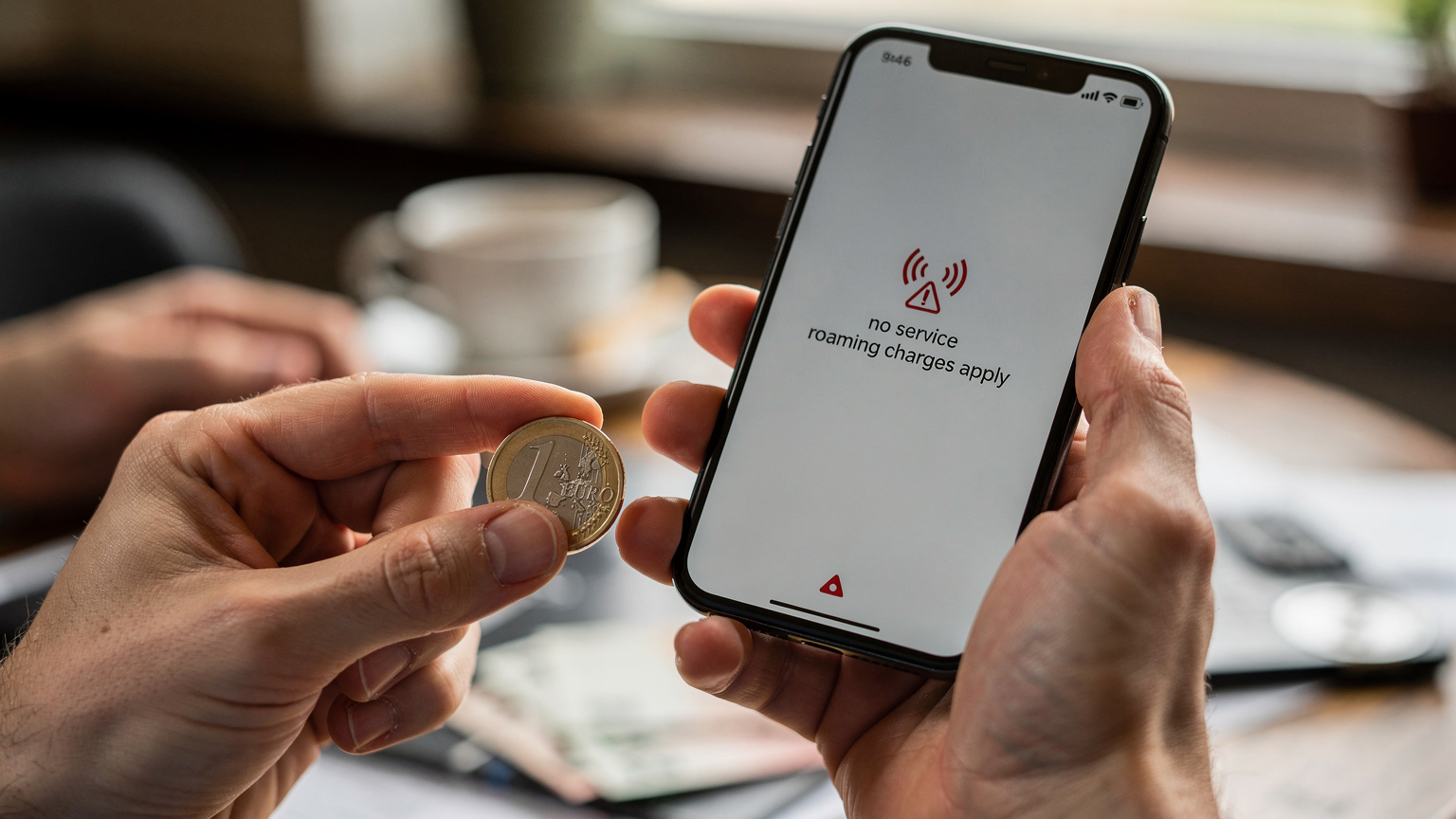
Try hailing an Uber in Bogotá with 2G data. You'd have better luck waving down a chicken bus. This 2G speed, often capped at 128 kbps or 256 kbps, is simply not practical for modern travel. You can't reliably use maps, make video calls, or even quickly check bus schedules. It's a last resort, not your main data source. I once tried to rely on T-Mobile's 2G in rural Albania, thinking I could make it work. I ended up paying a local kid 500 LEK to use his phone's hotspot because I couldn't even load a basic Google Maps route to my next hostel. My lesson: always have a backup, or better yet, a primary plan that actually works.
T-Mobile International Data Passes: Are They Worth It?
T-Mobile offers international data passes, typically something like 5GB for 10 days at $50, or 15GB for 30 days at $100. While these give you high-speed data, the cost per gigabyte is significantly higher than what you'd pay with a local SIM or a specialized travel eSIM. For example, a 15GB Cellesim plan for Europe might cost you around €30-€40 for 30 days. That's a huge price difference. If you're spending 8 days in Germany and use, say, 2GB per day, that's 16GB total. With T-Mobile's $100 pass, that's almost $6.25 per GB. With a Cellesim regional plan, it could be as low as €2-€3 per GB. The numbers don't lie: you pay a significant premium for the convenience of sticking with your home carrier.
T-Mobile Go5G Next and Go5G Plus: Comparing the Roaming Perks
T-Mobile's premium plans, Go5G Plus and Go5G Next, offer better international roaming, but they still come with drawbacks. You get more high-speed data abroad, but at a price point that makes budget travelers think twice. Here's a breakdown:
| Feature | T-Mobile Go5G Plus | T-Mobile Go5G Next | Budget Travel eSIM (e.g., Cellesim) |
|---|---|---|---|
| High-Speed International Data | 5GB per month (then 2G) | 15GB per month (then 2G) | Varies, typically 5GB-50GB plans available |
| International Texting | Unlimited | Unlimited | None (data-only), use WhatsApp/iMessage |
| International Calling | $0.25/minute (or Wi-Fi Calling) | $0.25/minute (or Wi-Fi Calling) | None (data-only), use VoIP apps |
| Cost (per line, approx.) | $80-95/month | $90-105/month | Starts at ~$5 for 1GB, up to ~$40 for 20GB+ |
| Primary Use Case | US domestic use with occasional international travel | US domestic use with more frequent international travel | Dedicated international data for travelers |
Go5G Plus: 5GB of High-Speed Abroad
If you have a Go5G Plus plan, you get 5GB of high-speed data in over 215 countries each month. That's certainly better than 2G, but 5GB for a month of travel? For many, that'll be gone in a week, especially if you're using maps, social media, and the occasional video call. After you hit that 5GB limit, you're back to painful 2G speeds. It's a decent perk if you're only traveling for a few days, or if you're a very light data user. But if you're like me, needing data for hostel bookings, WhatsApp calls to family, and finding the best street food in Mexico City, 5GB will disappear faster than a free hostel breakfast. My typical travel day uses about 1.5GB, so 5GB would barely last me three days.
Go5G Next: The 15GB Upgrade
Go5G Next boosts your international data to 15GB of high-speed data per month. This is a more reasonable amount and might cover a two-week trip for a moderate data user. However, this plan itself is significantly more expensive than Go5G Plus. You're primarily paying a premium for your domestic plan, with the international data as an extra benefit. If your main goal is affordable international data, paying $90-$105 a month for your domestic plan just to get 15GB abroad is an indirect, and usually more expensive, way to go. It makes much more sense to stick with a cheaper domestic plan and buy a separate travel eSIM for your trip. This is a key point for budget travelers: don't overpay for domestic features you don't need just to get a mediocre international perk.
Local SIM Cards: The Ultimate Budget Alternative
Before eSIMs became common, local physical SIM cards were the best choice for affordable international data. And for good reason: they're still often the cheapest per gigabyte, especially if you're staying in one country for a longer period. For example, when I was in Portugal, I bought a MEO SIM card at a corner store in Porto for €15. It came with 10GB of data, unlimited calls and texts to Portuguese numbers, and was valid for 30 days. That's €1.50 per GB, which is incredibly hard to beat.
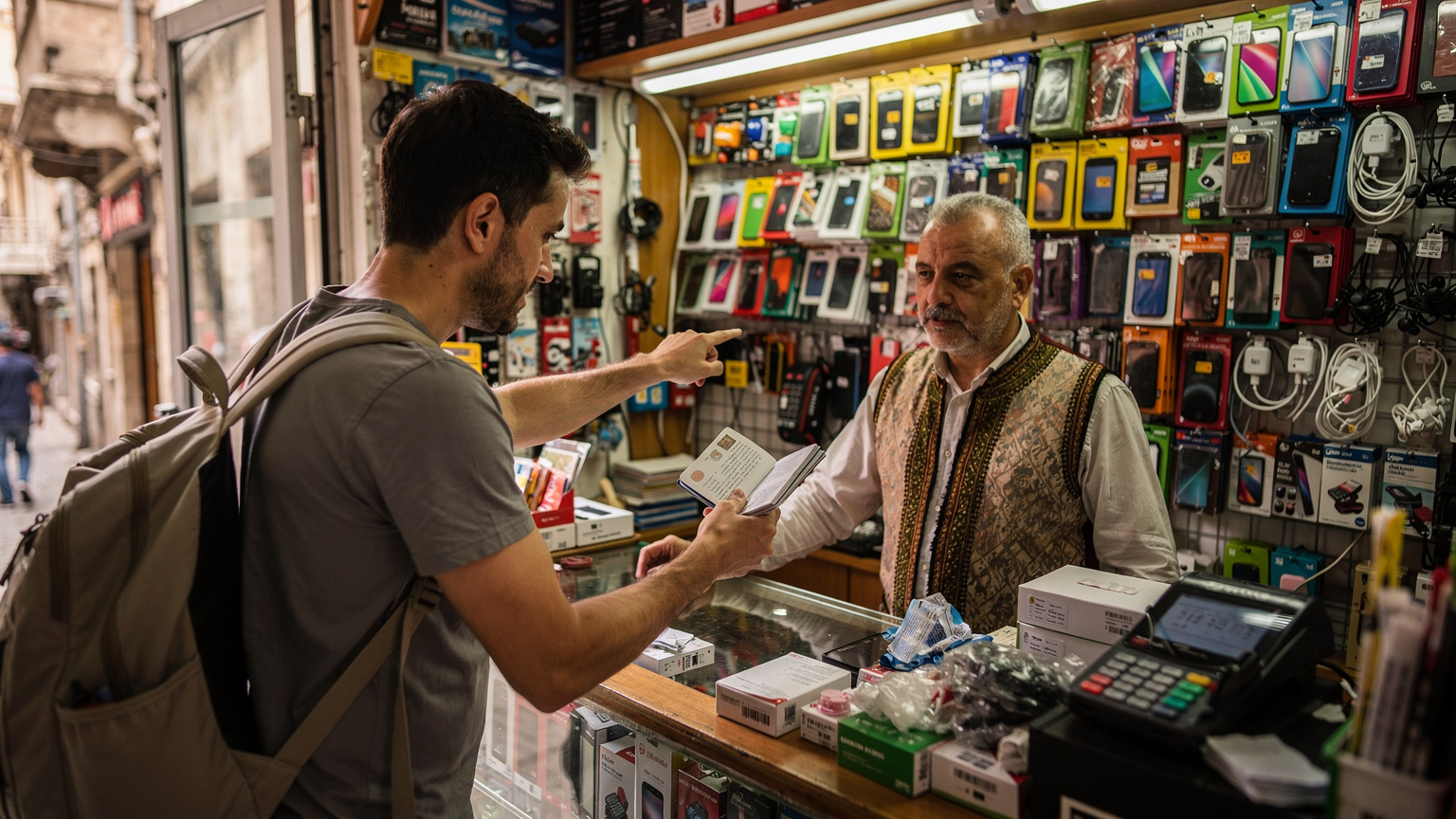
The downsides? You have to find a store, show your passport for registration (which is required in many countries like Spain, Italy, and Turkey), and sometimes deal with language barriers. Also, if your phone only has one physical SIM slot, you have to swap out your home SIM, meaning you can't receive calls or texts to your primary number. But for pure cost savings, especially for longer stays, a local SIM is still a top option.
Where to Buy and What to Look For
When looking for a local SIM, always go to authorized carrier stores (like Vodafone, Orange, Telekom, Movistar, etc.) or reputable electronics shops. Avoid shady kiosks at airports or train stations that might overcharge or sell you unregistered cards. Ask for a "data-only SIM" or a "prepaid SIM with data." Make sure to confirm the data allowance, how long it's valid, and if any national or international calls or texts are included. Always have your passport with you, and often, an address in the country is needed, though a hostel address usually works. In Italy, for example, TIM and Vodafone have great prepaid plans. For United States Unpacked: 15 Facts You Need Before Your Trip, you'll find domestic options are quite different, often requiring a credit check.
Border-Crossing Edge Cases and SIM Swaps
This is where local SIMs can become a hassle. If you're backpacking across multiple countries in a region, say from Portugal to Spain to France, you'd ideally need a new local SIM in each country for the best rates. That means multiple purchases, registrations, and SIM swaps. This is a huge inconvenience, and it's why regional eSIMs have become so popular. Imagine trying to buy a new physical SIM every time you cross a border in the Balkans, like from Montenegro to Bosnia and Herzegovina. Not only is it inconvenient, but some smaller border crossings won't have SIM vendors available. I've been stuck at the Albanian-Montenegrin border trying to find a local SIM, and it cost me a few hours and an unexpected taxi fare just to get to a town with a Telekom store.
Dedicated Travel eSIMs: The Smarter Move for Most
This is my top recommendation for almost any international traveler, especially those visiting multiple countries. Dedicated travel eSIMs, like those from Cellesim, offer a perfect balance between the convenience of T-Mobile's roaming and the affordability of local SIMs. You buy and activate them digitally before you even leave home, so you land with data already working. No hunting for stores, no language barriers, no passport registration. Just instant connectivity the moment your plane touches down.
For example, a 10GB regional Europe eSIM from Cellesim might cost €25 and be valid for 30 days across 30+ countries. That's about €2.50 per GB, which is competitive with local SIMs, but with unmatched convenience for multi-country trips. Compare this to T-Mobile's $50 for a 5GB data pass, and the savings are clear. We even have a direct comparison, Cellesim vs. Nomad eSIM: Which Saves You More Euros in 2026?, if you want to dig deeper into specific providers.
Benefits of Travel eSIMs Over T-Mobile Roaming
- Cost-Effectiveness: Usually much cheaper per GB than T-Mobile's data passes or premium plan perks.
- Instant Activation: Activate before you fly and be connected upon arrival.
- Multi-Country Coverage: Many regional eSIMs cover dozens of countries, perfect for European backpacking or South American adventures.
- Keep Your Primary Number: Your home SIM stays active for calls and texts, while the eSIM handles data. This is crucial for banking 2FA or staying in touch with family.
- No Physical Swap: No risk of losing your tiny physical SIM card.
Seriously, for the modern traveler, an eSIM for France or any other destination is almost a necessity. It simply makes life so much easier.
Setting Up Your Travel eSIM: A Quick Guide
Getting a travel eSIM up and running is straightforward. Here’s how I do it every time:
- Purchase Your eSIM: Visit a reputable provider like Cellesim, choose your destination or region, and select a data package. Pay with your preferred method.
- Receive QR Code/Activation Details: You'll typically get an email containing a QR code or manual activation instructions.
- Install the eSIM Profile:
- For iPhone users: Go to Settings > Cellular > Add eSIM. Scan the QR code or enter the details manually. You can also refer to our guide eSIM for iPhones: Bypass Roaming Fees in 2026, From Setup to Seamless Data.
- For Android users: Go to Settings > Network & internet > SIMs > Add SIM. Scan the QR code or enter the details.
- Label Your eSIM: Give it a clear name, like "Europe Data" or "Italy Trip," to easily keep track.
- Activate Data Roaming for eSIM: This is critical. Turn on data roaming specifically for your new eSIM line. Make sure data roaming is turned OFF for your primary US line to avoid unexpected charges.
- Set eSIM as Primary for Cellular Data: In your phone's settings, ensure your travel eSIM is selected as the line for cellular data.
Do all of this at home, using Wi-Fi, before you leave. That way, you're ready to go the second you land.
Border-Crossing Tactics and Data Management
This is where smart planning really saves you money. I've crossed dozens of borders, from the land crossing between Croatia and Bosnia to flying into Tbilisi, Georgia for the Tbilisi Digital Nomad Visa 2026: Your eSIM Connectivity Blueprint, and a solid data strategy is essential. Relying on your home carrier for roaming, even with T-Mobile's slightly better plans, usually ends up being more expensive.
My strategy is simple: a regional eSIM (like a Cellesim Europe plan) for multi-country trips, or a local SIM if I'm staying in one country for more than two weeks and anticipate using a lot of data. For short border hops, say from Budapest to Vienna, the regional eSIM is invaluable. No need to worry about changing settings or buying a new SIM. The data just works. This applies whether you're using an eSIM on PC: Ditch the Dongle, Stay Connected Anywhere 2026 for a laptop or just your phone.
The Art of Data Conservation
Even with an affordable eSIM, you don't want to waste data. Here are my top tips:
- Download Offline Maps: Before you leave your hostel with Wi-Fi, download Google Maps for the areas you'll explore. This saves a lot of data.
- Pre-Download Entertainment: Movies, podcasts, and music for long bus rides or flights should be downloaded over Wi-Fi.
- Limit Social Media Uploads: High-res video stories consume data quickly. Save them for Wi-Fi.
- Disable Background App Refresh: Go into your phone settings and turn this off for most apps.
- Use Wi-Fi Whenever Possible: Hostels, cafes, libraries, and even some public squares offer free Wi-Fi. Use it whenever you can.
It's not about being cheap; it's about being smart with your resources. Every euro saved on data is another euro for a tasty pastry or a local bus ticket.
eSIMs for Seamless Border Crossings
This is where eSIMs truly excel. Imagine crossing from Germany to the Netherlands on a train. With a regional Europe eSIM, your data plan smoothly switches between the German and Dutch networks without you doing anything. No fumbling with SIM trays, no searching for a new provider. This uninterrupted connectivity is invaluable, especially when you need to confirm your next hostel booking or check train schedules on the fly.
Calculating Your Data Needs: Don't Overpay
Before you buy any plan, figure out how much data you actually need. Most people drastically overestimate their usage. Here's a rough breakdown:
| Activity | Estimated Data Usage (per hour) | Notes |
|---|---|---|
| Basic Browsing/Email | 50-100 MB | Light use, checking bus times, simple searches |
| Social Media (scrolling) | 100-200 MB | Instagram, Facebook, TikTok without heavy video |
| Google Maps/Navigation | 20-50 MB | Depends on active navigation vs. occasional check-ins. Download offline maps! |
| Streaming Music (Spotify, etc.) | 40-150 MB | Lower quality streams use less, download playlists over Wi-Fi |
| Video Calls (WhatsApp, FaceTime) | 200-500 MB | High-quality video calls are data hungry. Use Wi-Fi for these. |
| Streaming Video (Netflix, YouTube) | 500 MB - 1.5 GB+ | The biggest data killer. Avoid on mobile data unless absolutely necessary. |
My average usage, when I'm being careful, is about 1-2GB per day. So for a 10-day trip, I'd aim for a 10-20GB eSIM plan. If I'm strict about using Wi-Fi for big downloads and video calls, I can easily manage with 500MB a day. It's all about knowing your habits and adjusting them for travel. Don't be that person who buys a 50GB plan and only uses 5GB; that's just wasted money.
The 2026 Data Benchmark
My last trip, 14 days across Slovenia and Croatia, cost me a total of €28 for data. I used a Cellesim regional eSIM for 15GB, which cost €28. My daily usage averaged just under 1GB (14GB total). This included daily map navigation, hostel bookings, WhatsApp calls to family, and light social media. If I had relied on T-Mobile's 5GB roaming, I would have been stuck on 2G for most of the trip or would have had to buy multiple $50 data passes, easily pushing my data costs over €100. That's a significant portion of my daily €40 budget.
Final Verdict: Is T-Mobile For You?
If you're a budget backpacker, or honestly, any traveler who wants to get the most value for their money, the T-Mobile eSIM free trial is useless for international travel. It simply doesn't offer international data. As for T-Mobile's paid international roaming, even with the Go5G Next plan, you're paying a premium for a limited amount of high-speed data. It's an option for convenience if you have unlimited funds, but for the rest of us, it's not the smart choice.
For truly affordable and reliable international data, your best options are:
- Dedicated Travel eSIM (like Cellesim): My top recommendation for most travelers. It's convenient, cost-effective, and works across multiple countries.
- Local Physical SIM Card: This is the cheapest per gigabyte if you're staying in one country for an extended period and don't mind the slight hassle of buying and registering it.
Don't fall for the "free trial" trick when planning your international adventures. Stick to what works, saves you money, and keeps you connected without headaches. Your euros are better spent on experiences, not inflated data charges.
Frequently Asked Questions
Does the T-Mobile eSIM free trial work outside the US?
No, the T-Mobile eSIM free trial is strictly for domestic use within the United States. It provides 30 days or 30GB of high-speed data to test their US network and does not include any international roaming benefits.
What are the limitations of T-Mobile's standard international roaming?
T-Mobile's standard international roaming (included with plans like Magenta) typically offers unlimited texting and 2G data in 215+ countries, with calls charged at $0.25 per minute. The 2G data is very slow and generally insufficient for modern travel needs like navigation or streaming.
Are T-Mobile's Go5G Plus or Go5G Next plans good for international data?
Go5G Plus offers 5GB of high-speed international data per month, and Go5G Next offers 15GB. While better than 2G, these plans are significantly more expensive domestically, and the international data allowance may still be insufficient for heavy users, often making dedicated travel eSIMs more cost-effective.
How does a local physical SIM compare to T-Mobile's international options?
Local physical SIM cards are often the cheapest per gigabyte for extended stays in a single country. They require in-person purchase and registration but can offer much larger data allowances at a fraction of the cost of T-Mobile's international data passes or premium plan perks.
Why should I choose a dedicated travel eSIM instead of T-Mobile for international travel?
Dedicated travel eSIMs provide greater flexibility, significantly lower cost per gigabyte, and seamless multi-country coverage without needing to swap physical SIMs. They activate digitally before you travel, ensuring you land connected and avoid high roaming charges from your home carrier.
How much data do I really need for a typical trip?
Most travelers can get by with 1-2GB of data per day with mindful usage, including maps, social media, and messaging. For a 10-day trip, a 10-20GB plan is often sufficient, especially if you utilize Wi-Fi for heavy data tasks like video calls and streaming.
See also: eSIM for Bosnia and Herzegovina
See also: eSIM for Slovenia