
Why Network Reliability Isn't Negotiable for Digital Nomads
Look, I've been doing this long enough to know that a flaky internet connection isn't just an inconvenience, it's a productivity killer. When your income depends on uploading large files, joining video calls, or simply having WhatsApp function for client communication, 'good enough' doesn't cut it. I've seen too many friends stuck in a bind, scrambling for a café with decent WiFi because their eSIM just decided to ghost them. It’s why I’m constantly scrutinizing every provider.
The Co-working Space Conundrum: When Public WiFi Fails
I remember being in Canggu, Bali, at Dojo Bali, a popular co-working spot. Their fiber connection was usually rock solid, but one Tuesday afternoon, it went down for a critical hour. My Nomad eSIM, which had been performing okay, suddenly couldn't pick up a stable 4G signal indoors, leaving me dead in the water for an urgent client meeting. That’s when you learn to appreciate a strong, reliable fallback. Cellesim, in my experience, often partners with a wider array of local carriers, meaning better signal penetration and more consistent speeds, even when the primary network struggles or when you’re deep inside a concrete building.
This isn't about avoiding the co-working space, it's about having a safety net. You'll still find me at places like The Hive Thonglor in Bangkok or Outsite Lisbon, but my eSIM is my lifeline. The average rent for a decent studio in Thonglor is around 18,000 THB to 25,000 THB per month, and a 100 Mbps fiber connection will set you back about 600 THB. Why pay for that if your mobile data isn’t there for the inevitable hiccups?
The Hidden Costs of Unreliable Data
It's not just the missed calls, it's the ripple effect. Rescheduled meetings, delayed project submissions, the stress of trying to find a working signal at 3 AM. These are real costs, especially when you're trying to maintain a professional facade while navigating a new country. The mental overhead alone is exhausting. Sometimes, it’s about more than just data allowance, it’s about the peace of mind that comes with knowing your connection won't randomly drop when you're live streaming an event (something I've learned the hard way at festivals like Coachella, where network congestion is the norm).
Cost Efficiency: Beyond the Headline Price
Anyone who's been on the road for more than a few months knows that the cheapest option isn't always the most cost-effective in the long run. It's about total cost of ownership, which includes not just the upfront price, but also the hidden fees, the data expiry, and the potential need to buy a second, pricier plan because the first one failed you.
Decoding Data Expiry and Top-Ups
Nomad eSIM plans often come with relatively short expiry windows for their smaller data packages. For a two-week vacation, that's fine. For someone like me who stays 1-3 months per country, it's a constant headache. I don't want to be thinking about topping up every 7-14 days. Cellesim, on the other hand, frequently offers longer validity periods on comparable data packages, or even truly unlimited plans for specific regions, which is a godsend.
"I learned early on that chasing the absolute lowest price often meant sacrificing stability. When you're trying to send a large video file for a client, the last thing you want is your data plan expiring mid-upload."
Consider a typical cost of living in a place like Medellín, Colombia. A decent apartment in El Poblado might run you around 2,000,000 COP (roughly $500 USD) a month. Add food, transport, and a few coffees, and you're looking at maybe $1,000 USD for basic living. Saving $5 on an eSIM only to lose a day's work because of a poor connection isn't a saving, it's a net loss of $100-$200 in productivity.
Comparing Multi-Country vs. Single-Country Plans
This is where Cellesim often shines for the true nomad. While Nomad eSIM has multi-country options, Cellesim's regional and global plans tend to offer more consistent performance across borders. This is crucial for anyone doing a multi-stop itinerary, say, hitting up Lisbon, then hopping over to Madrid, and finally Rome. Instead of buying three separate eSIMs, or relying on a regional plan that might prioritize one country's network over another, Cellesim often provides a more balanced approach. It simplifies your digital life, which is invaluable when you're constantly packing and unpacking.
| Feature | Nomad eSIM | Cellesim |
|---|---|---|
| Regional Plans | Available, varied network quality | Robust, often better speeds/coverage |
| Validity for Long Stays | Often shorter, requires more frequent top-ups | Longer validity options, less frequent management |
| Pricing Transparency | Generally clear, but watch for expiry | Transparent, sometimes better per-GB rates for long-term |
| Hidden Fees | Minimal, but data expiry can feel like one | Generally none, straightforward pricing |
Data Packages and Flexibility: Matching Your Travel Style
Not all data needs are created equal. A tourist checking maps and Instagram is different from someone uploading 4K video daily. I need plans that can handle serious bandwidth, and also plans that don't expire before I've even settled into my Airbnb.
Unlimited Data: A Nomad's Dream or a Gimmick?
Nomad eSIM has experimented with 'unlimited' plans, but often with throttling after a certain threshold. Cellesim, on the other hand, seems to have more genuine unlimited offerings in specific markets, or at least much higher soft caps before any throttling kicks in. For someone like me who needs to constantly upload footage from events or manage multiple live streams, those details matter. There's nothing worse than hitting a 'fair usage policy' cap when you're halfway through a crucial upload. It's why I also recommend checking out AT&T eSIM Abroad: Save 70% on Data for Your 2026 Trip for US-specific deals if you're returning home for a bit.
Flexible Duration and Data Rollover
One of my biggest pet peeves with many eSIM providers is the lack of flexibility. If I buy 10GB for 30 days and only use 5GB, that remaining 5GB is gone. Cellesim has started offering more plans with rollover options or longer validity for unused data, which is a significant advantage for long-term travelers. It means I'm not constantly over-buying or under-buying data, trying to hit some perfect sweet spot that rarely exists. This becomes even more critical when you're traversing regions where connectivity can be patchy, like parts of Ethiopia, where every byte counts.
Activation and User Experience: Smooth Sailing or Tech Headaches?
After four years of this, I'm tired of QR codes that won't scan, apps that crash, and activation processes that take more than five minutes. When you land in a new country, you want to be connected, not troubleshooting.
The Cellesim Activation Process: A Breath of Fresh Air
Cellesim's activation process is generally more intuitive. I've found their QR codes to be more reliable, and their app interface (if you choose to use it, though direct QR scan works fine) is cleaner, with fewer confusing options. When you’re jet-lagged and trying to hail a taxi from Suvarnabhumi Airport, the last thing you want is a convoluted setup. For a detailed walkthrough of how seamless it can be, check out iPhone eSIM Abroad: Ditching Roaming for Good in 2026.
Step-by-Step Cellesim eSIM Activation:
- Purchase Your Plan: Select your desired country or region and data plan on the Cellesim website or app.
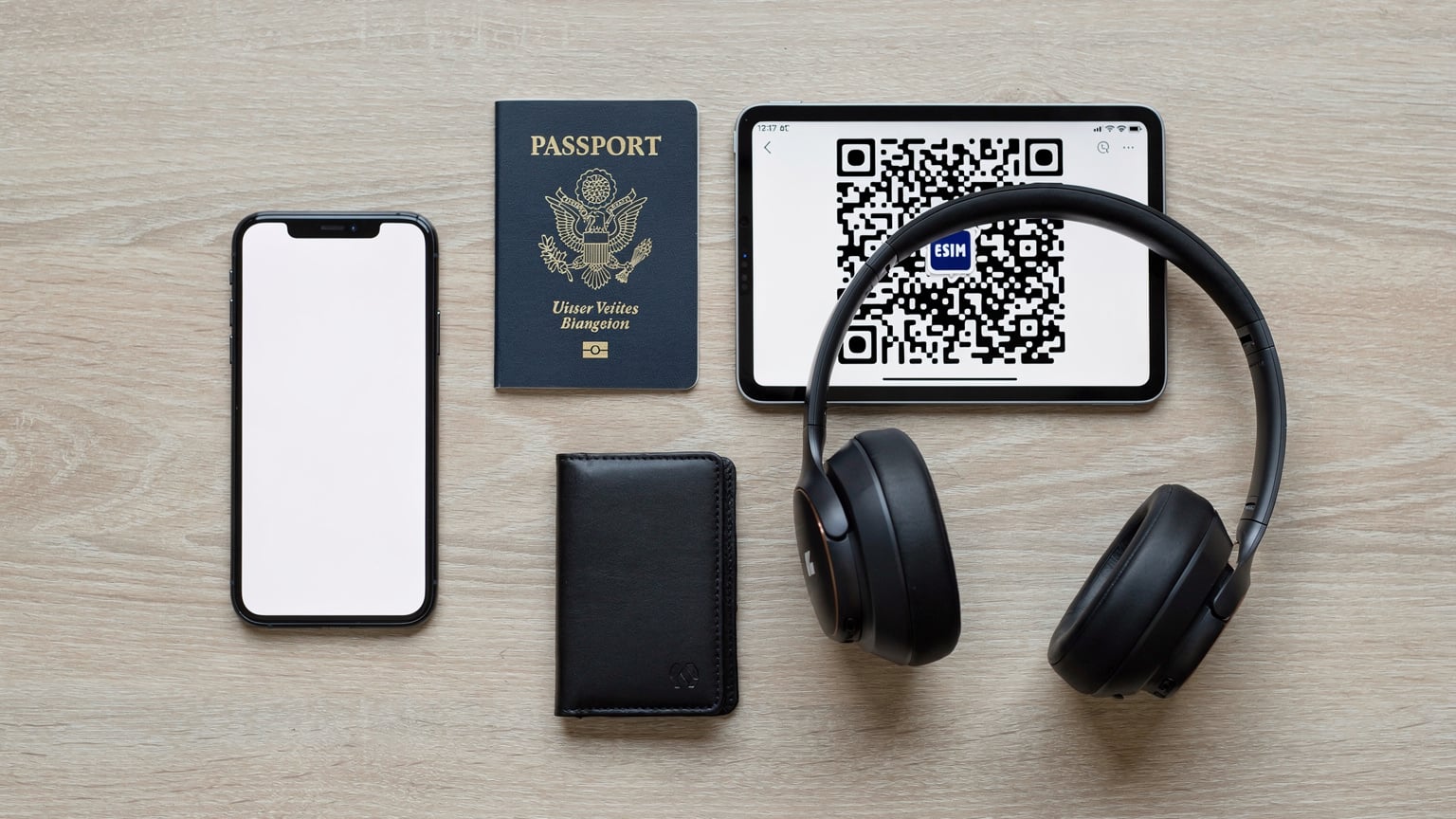
- Receive QR Code: You'll get an email with a QR code and manual installation details. Make sure you have another screen or print it out.
- Scan and Install: On your iPhone, go to Settings > Cellular (or Mobile Data) > Add eSIM. Choose 'Use QR Code' and scan the code. For Android, it's typically Settings > Network & internet > SIMs > Add SIM > Download an eSIM.
- Label Your eSIM: Name your new eSIM (e.g., 'Cellesim Portugal'). This helps manage multiple eSIMs.
- Set as Primary (Optional): Decide if you want this eSIM to be your primary for data, or switch between your home SIM for calls and Cellesim for data.
- Enable Data Roaming (Crucial): For the eSIM to connect to local networks, you MUST enable data roaming for the eSIM line. This is NOT traditional roaming, but allows the eSIM to use partner networks.
Nomad eSIM's Hurdles
While Nomad eSIM has improved, I've had instances where their app was slow to load available plans or the QR code took multiple tries to register. It’s a minor annoyance for some, but when you're trying to get online quickly to order a Grab from the airport or check into your Airbnb, those few extra minutes feel like an eternity. It’s also worth noting that some older Android phones can be finicky with eSIM installation, regardless of the provider, so always check your device compatibility.

Local SIM vs. eSIM: When You Still Need That Physical Card
Despite all the benefits of eSIMs, there are still situations where a physical local SIM is unavoidable. It's not always about data, but about local identity and specific app requirements.
Banking Apps and Two-Factor Authentication
This is a big one. Many local banking apps, especially in places like Brazil (with banks like Nubank or Itaú) or India (for Aadhaar-linked services), absolutely require a local phone number for two-factor authentication or even initial setup. You can't just rely on your international eSIM. In these cases, you'll need to grab a local physical SIM as soon as you land. The good news is, with an eSIM, you can keep your home country's physical SIM active for WhatsApp (which often stays linked to your original number) and still have local data. This hybrid approach is what most seasoned nomads default to.
Visa Limitations and Registration Requirements
Some countries, particularly those with stricter immigration laws or extended stay visas, might require you to register a local SIM card to your passport. This isn't usually an issue for short-term tourist visas, but if you're applying for a long-stay visa or a digital nomad visa, a local number might be a prerequisite. Always check the specific requirements for your destination. For instance, traveling to countries like Saudi Arabia for Umrah, or even longer stays in places like Turkey, might involve such requirements.
Emergency Services and Local Contacts
While eSIMs are great for data, having a local number can sometimes be beneficial for emergency services or making local calls to businesses (like booking a restaurant or calling a local delivery service) without incurring international calling rates. Most nomads use VoIP apps like WhatsApp or Google Voice for calls, but there are always exceptions.
Coverage and Speed: Where It Actually Matters on the Ground
Marketing claims about 'broad coverage' mean nothing if you're stuck with 2G in a major city. I'm talking about real-world performance, the kind you get when you're trying to upload a video from a crowded stadium or a remote village.
Cellesim's Network Partnerships: The Edge in Consistency
Cellesim frequently partners with multiple Tier 1 carriers in a single country, allowing your phone to automatically switch to the strongest available signal. This is a massive advantage over providers that might only have a deal with one or two smaller networks. I've found this particularly useful in places like Greece. While Cosmote eSIM Greece is solid, having access to Vodafone GR or Wind Hellas through a Cellesim plan means I'm almost always covered, whether I'm in Athens or on a lesser-known island. It's the difference between smooth streaming and constant buffering.

Speed Tests and Real-World Performance
I don't just take their word for it. I run speed tests. Regularly. In my experience, Cellesim consistently delivers higher average speeds, especially when you factor in congestion in urban areas. In places like Mexico City, where I often work from the Condesa neighborhood (rent for a 1BR is around 18,000-25,000 MXN, roughly $1000-$1500 USD), I need speeds that can handle video conferences from a cafe like Blend Station without a hiccup. Nomad eSIM has been acceptable, but Cellesim often provides that extra headroom that prevents frustrating lag.
| Provider | Typical Download Speed (Mbps) | Typical Upload Speed (Mbps) | Network Reliability |
|---|---|---|---|
| Nomad eSIM | 20-50 | 5-15 | Good, but inconsistent in congested areas |
| Cellesim | 40-100+ | 10-30+ | Excellent, more resilient to congestion |
Customer Support: When Things Go Sideways
This is the true test of any service provider. When your data isn't working at 2 AM in a foreign country, you don't want to be dealing with a chatbot that can't understand your problem or waiting 24 hours for an email response.
Cellesim's Responsive Support
I've had to contact Cellesim support a couple of times, usually for minor billing questions or clarification on regional plans. Their response times, typically within an hour or two, and the quality of their human-led support, have been impressive. They've resolved my issues quickly and efficiently, often providing clear, actionable steps. This level of support is crucial when you're relying on your connection for work and personal safety.
Nomad eSIM's Support Experience
Nomad eSIM's support is generally decent, but I've experienced longer wait times and sometimes less direct solutions. It's not bad, but it doesn't quite match the responsiveness I've found with Cellesim. When you're in a bind, a quick, human response can make all the difference, especially if you're navigating complex network settings or dealing with a phone that's acting up.
Real-World Scenarios Where Cellesim Shines
Let's get concrete. Here are a few situations where I've personally seen Cellesim outperform Nomad eSIM.
Scenario 1: The Multi-Country European Tour
Imagine you're doing a two-month hop through Europe, hitting Portugal, Spain, France, and Italy. With Nomad eSIM, you might buy separate country plans or a regional plan with varying performance. With Cellesim, their Europe-wide plans often tap into stronger networks consistently across the board. I was on a multi-country trip last year, moving from Lisbon to Seville to Bordeaux. My Cellesim plan automatically switched between Vodafone PT, Movistar ES, and Orange FR seamlessly. This meant I never had to think about which country I was in or worry about throttling as I crossed borders. It’s what allowed me to confidently plan a side trip to a small village outside Bordeaux, knowing my mapping apps wouldn't fail me.
Scenario 2: High-Bandwidth Content Creation
I was in Tokyo for a month, covering a gaming convention. My routine involved daily uploads of large video files to cloud storage. I was working out of WeWork Kanda Square, and while their WiFi was good, I needed reliable mobile data for when I was on the move. Nomad eSIM, even on its higher-tier plans, occasionally struggled with sustained upload speeds when I was editing on the go at a cafe in Shinjuku. Cellesim, leveraging multiple local carriers, maintained a more consistent upload speed, allowing me to push gigabytes without constant worry. This peace of mind is priceless when you’re on a tight deadline and trying to avoid missing a train on the Yamanote line.
Scenario 3: Avoiding Visa-Related SIM Issues
Certain regions, like parts of the Middle East, have strict SIM card registration processes tied to your visa. For short trips, an eSIM bypasses this entirely. For instance, if you're planning an Umrah trip, you're better off with an eSIM for data, avoiding the need to register a local SIM which can be a bureaucratic headache. Cellesim's coverage in such areas is often more robust, giving you peace of mind that you won't be without connectivity for basic navigation or communication.
Things to consider before you travel:
- Device Compatibility: Ensure your phone supports eSIM technology. Most modern iPhones (XS and newer) and many Android flagships do.
- Visa Requirements: Always double-check if your destination requires a local SIM for any administrative purposes, especially for longer stays.
- Local Apps: Identify any essential local apps (banking, ride-sharing, food delivery) that might require a local phone number.
- Backup Plan: Even with a great eSIM, always have a backup plan. Know where local WiFi hotspots are or consider a secondary eSIM from a different provider if your work is absolutely mission-critical.
Making the Switch to Cellesim
If you're still on the fence, I recommend trying Cellesim for your next trip, especially if it's a multi-country excursion or requires significant data usage. Their commitment to superior network partnerships and a smoother user experience makes them a strong contender, often outshining Nomad eSIM for the practical, long-term traveler.
Why Cellesim is a Smart Choice for 2026
The travel landscape is always changing, and connectivity solutions need to evolve with it. In 2026, Cellesim offers a compelling package for digital nomads:
- Reliable Network Access: Access to multiple Tier 1 networks ensures better coverage and speed.
- Flexible Data Plans: Options for longer validity and truly unlimited data cater to diverse needs.
- Seamless Activation: A straightforward process means less stress upon arrival.
- Responsive Support: Quick, human-led assistance when you need it most.
- Cost-Effective Long-Term: While not always the absolute cheapest upfront, the overall value and reduced hassle save money and time in the long run.
Before you commit, do a quick check on the specific plan for your next destination on the Cellesim website. Prices and offerings can change, and it's always good to be informed. What works for Thailand might be slightly different for, say, Ethiopia. You wouldn't buy a flight without checking the baggage allowance, so don't buy an eSIM without confirming the fine print.
Frequently Asked Questions
What's the main difference in network reliability between Cellesim and Nomad eSIM?
Cellesim generally partners with more Tier 1 local carriers in each country, allowing for better signal consistency and speed. Nomad eSIM can be good, but in congested urban areas or challenging indoor environments, Cellesim often provides a more stable connection due to its broader network access.
Do Cellesim plans usually offer longer validity periods than Nomad eSIM?
Yes, in many cases, Cellesim provides data plans with longer validity periods, which is beneficial for digital nomads or travelers on extended trips. This reduces the need for frequent top-ups and plan management compared to some of Nomad eSIM's shorter-duration offerings.
Is Cellesim's activation process easier than Nomad eSIM's?
Based on my experience, Cellesim's activation process tends to be more streamlined. Their QR codes are generally more reliable, and the overall user interface for setup is often clearer, leading to fewer troubleshooting steps when you're trying to get online quickly.
Will a Cellesim eSIM work for banking apps that require a local number?
No, an eSIM provides data connectivity, but it typically does not give you a local phone number for calls and SMS, which many local banking apps or authentication systems require. For such apps, you will still need to purchase a physical local SIM card upon arrival.
Does Cellesim offer truly unlimited data plans, or are there always caps?
Cellesim offers genuinely unlimited data plans in select regions, or plans with significantly higher soft caps before any potential throttling, compared to Nomad eSIM. It's always best to check the specific plan details for your destination to understand the fair usage policy.
Is Cellesim more expensive than Nomad eSIM?
While initial plan prices can vary, Cellesim often offers better long-term value due to more flexible data options, longer validity, and superior network reliability. This means fewer unexpected recharges and a more consistent experience, making it more cost-effective overall for serious travelers.