Why Telkomsel eSIM for Indonesia and Our Family
Telkomsel is Indonesia's largest mobile network operator. This isn't just a fun fact; it's a crucial detail when you're relying on data for everything from Google Maps to keeping the peace with a 10-year-old who absolutely needs to finish their daily Duolingo lesson. Their coverage, particularly in popular tourist areas and even some more remote islands, is simply superior. We experienced this firsthand when my husband's work phone, on a different carrier, struggled to get a signal on a small island near Flores, while my Telkomsel line hummed along, letting the kids stream their beloved Disney+ without a hitch (a sanity saver, truly). This widespread coverage is especially important when you're traveling with family. You don't want to be stuck in a taxi in Canggu, trying to navigate narrow streets, only to lose your signal right when you need it most. Imagine a similar scenario in Turkey, trying to find your way through Istanbul's historic streets, where a reliable connection via Turkcell eSIM for Tourists 2026 could make all the difference. The reliability means less stress for you, and fewer instances of "Are we there yet?" from the back seat.
Opting for a Telkomsel eSIM through a provider like Cellesim meant we could activate it from home, landing in Denpasar with immediate connectivity. No fumbling with tiny physical SIM cards, no language barriers at a local kiosk, and no unexpected activation delays. It felt like cheating, in the best possible way. This pre-arrival setup is a game-changer for parents, allowing us to hit the ground running with our travel plans, knowing the kids' devices would have data for their offline maps (because yes, even Google Maps works better when pre-loaded and refreshed periodically) and emergency entertainment.
Prepping the Kids' Devices Before We Left
This is where the "planning is the love language" motto really comes into play. Before any international trip, I become a digital drill sergeant. Every iPad, every Kindle, every Switch needs to be pre-loaded. This means downloading entire seasons of shows on Disney+, movies on Netflix, and a hefty library of games that don't require an internet connection. Apps like Toca Life World, Minecraft, and even some educational apps have excellent offline modes, and they're invaluable for those long flights or unexpected delays. We also make sure to download offline maps for all our destinations, especially for places like the remote areas around Komodo National Park where data can be spotty even with Telkomsel.
However, even with all the pre-loading in the world, there's always that moment. The moment a child discovers a new YouTube Kids video they absolutely must watch, or a new level in their favorite game requires an online update. This is when having an active eSIM with enough data on hand becomes critical. For us, the Telkomsel eSIM provided that safety net. My phone, equipped with the eSIM, could act as a personal hotspot for their devices, making sure those crucial updates or streaming moments happened seamlessly. It's a small detail, but it prevents major meltdowns, which, let's be honest, is every parent's primary goal on vacation.
Data Needs for the Entire Crew: A Real-World Look
I cannot stress this enough: underestimate your family's data usage at your peril. I've heard too many stories of families running out of data halfway through a trip, resorting to expensive roaming charges or frantically searching for Wi-Fi. My two kids, aged 9 and 11, can easily chew through data if left unchecked. A typical day for them might include: 2 hours of Disney+ streaming (about 1.5GB/hour per kid), 1 hour of Roblox online gaming (around 200MB/hour), and general browsing for interesting facts about komodo dragons (minimal, but it adds up). Multiply that by two kids, plus my husband and I using data for navigation, social media, emails, and occasional video calls back home, and you're looking at significant consumption. My rule of thumb is to calculate their individual needs, add our usage, and then double it. Seriously, double it. Better to have too much than too little.
For a two-week trip to Indonesia, with two kids frequently streaming, I'd look for a plan that offers at least 60-80GB of data shared across devices, or individual eSIMs for each parent that can hotspot. Some providers offer bundles, but with Cellesim, I've found it's often more cost-effective to buy a larger single plan for myself and hotspot, or two robust plans for my husband and me. This flexibility ensures we always have a backup. We learned this lesson the hard way during a previous trip where we tried a cheaper, smaller plan and ended up rationing data like it was gold. Never again. For those looking at data options beyond Indonesia, compare providers carefully. For instance, Cellesim vs. Holafly 2026 offers insights into getting more data for less money, which is always a win for family budgets.
Connectivity Beyond the Resort: Theme Parks and Cruises
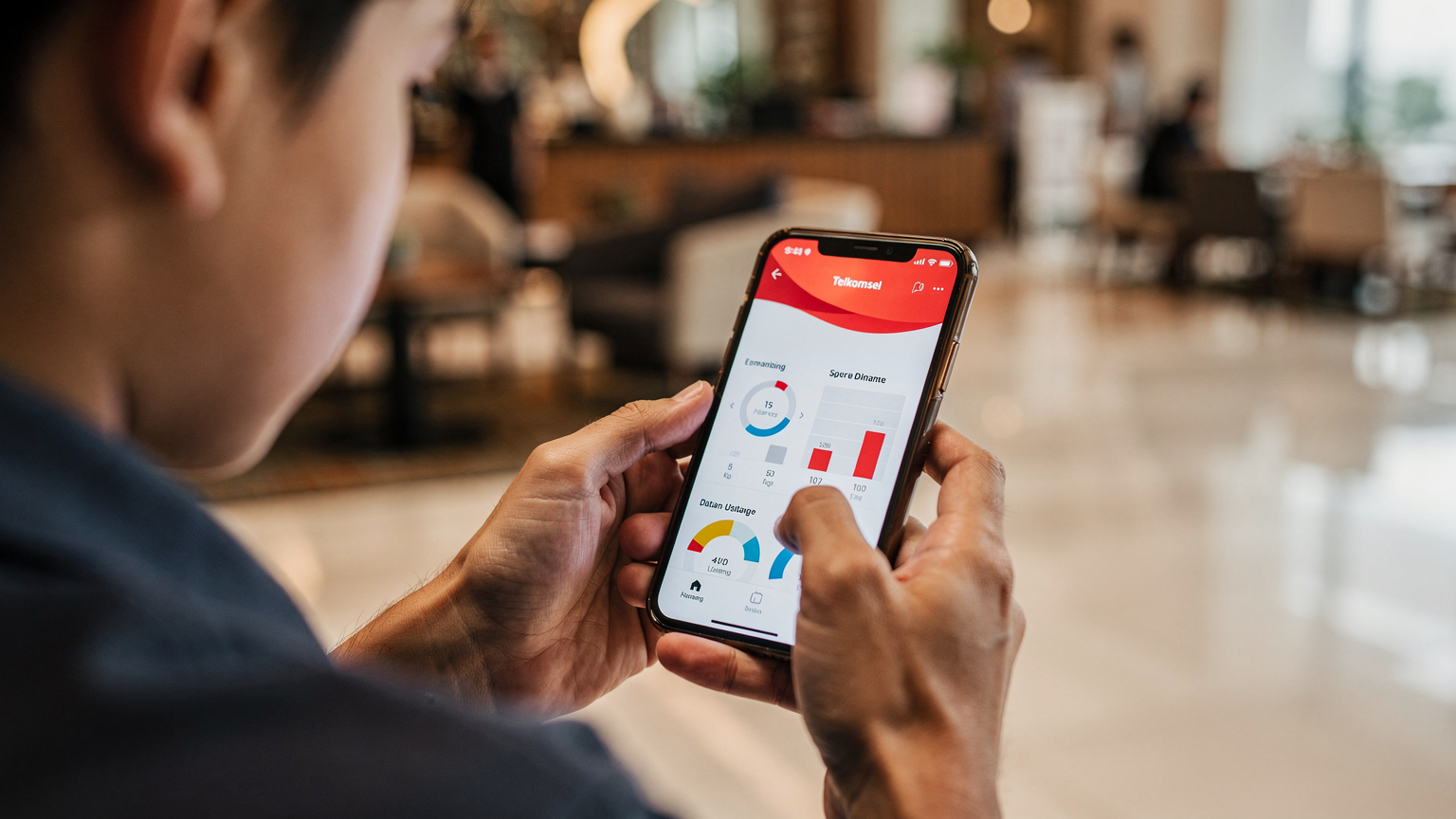
Indonesia might not be known for its massive theme parks like Orlando, but places like Waterbom Bali are huge attractions for families. The same goes for island-hopping boat tours or even short cruises around the archipelago. While these places often boast Wi-Fi, it's rarely reliable for a family's worth of devices. I once spent an hour trying to load the Waterbom app on their "free Wi-Fi" to book lockers, only to give up and use my Telkomsel eSIM data. It downloaded in seconds.
This applies even more to cruise ships. While Telkomsel's primary coverage is land-based, having an active eSIM on your phone still allows you to pick up signals when you're near the coast or docked at a port. My kids love their dedicated screen time on cruises, and having a personal hotspot that works even for short bursts of connectivity when we're close to shore is invaluable. Imagine being able to upload a quick photo to the family group chat or check a crucial email without relying on expensive ship Wi-Fi. It's a small freedom, but a significant one when you're cooped up at sea. It reminds me of the challenges of staying connected during festival season in Europe, where a good eSIM is your Summer Festival Circuit 2026: The eSIM That Keeps Your Vibe Alive.
Parental Controls and Screen Time Management on eSIM
Okay, so we've established that the kids need data. But how do you manage it so they don't spend their entire vacation glued to a screen? This is where the beauty of having a dedicated eSIM line for my phone, which then hotspots to their devices, really comes into its own. Most modern smartphones have robust parental control features that work seamlessly regardless of whether you're on Wi-Fi or cellular data. I use Apple's Screen Time features on my iPhone, which extends to their iPads. This allows me to:
- Set daily time limits for specific apps like YouTube Kids or Roblox.
- Schedule downtime, ensuring devices are locked during meal times, bedtime, or when we're actively exploring.
- Restrict content, blocking inappropriate websites or apps.
- Control app downloads, so they can't just install new games without my permission.
The key here is that these controls are managed on the primary device (my phone) and applied to the connected devices. Even if they're using my Telkomsel eSIM data via hotspot, the Screen Time limits still apply. This means I can give them access to high-speed data for a specific duration, say, an hour of Disney+ during a long car ride, and then automatically cut off access when their time is up. It’s a lifesaver for maintaining some semblance of screen-time sanity while traveling. If you're wondering how to manage these features on newer devices, it's very similar to setting up a new line, like with the iPhone 18 eSIM Ön Siparişi where connectivity is instant from day one.
Another benefit is the ability to monitor their data usage. While I don't micromanage every megabyte, it's helpful to see which apps are consuming the most data. If one child is constantly blowing through their allotted data for a specific game, it's a clear signal to adjust their screen time or find more offline activities. This level of control, combined with Telkomsel's reliable coverage, gave us peace of mind. We could stay connected, navigate confidently, and keep the kids entertained, all while maintaining our parental boundaries. It made our Indonesian adventure far more enjoyable, and far less stressful, than previous trips where our data strategy was, well, less of a strategy and more of a desperate scramble.
Don't let data woes add unnecessary stress to your family vacation. A little planning with a reliable Telkomsel eSIM can go a long way in ensuring smooth sailing for everyone. For more common questions about eSIMs and family travel, you can always visit the Cellesim FAQ page, which covers a wide range of topics.
Frequently Asked Questions
Can I use Telkomsel eSIM for multiple devices in Indonesia?
Yes, you absolutely can. While the eSIM itself is installed on one device (typically your smartphone), you can use that phone's personal hotspot feature to share the Telkomsel data connection with your kids' iPads, tablets, or other devices. This is a common strategy for family travel.
How much data do I really need for a family trip to Indonesia?
For a family with two children who enjoy streaming and online gaming, I'd recommend a plan of at least 60-80GB for a two-week trip. This accounts for general browsing, navigation, social media, and significant usage from streaming apps like Disney+ or games like Roblox on multiple devices. It's always better to overestimate than run out.
Does Telkomsel eSIM work in remote areas of Indonesia like small islands?
Telkomsel generally has the widest and most reliable coverage across Indonesia, including many popular remote tourist destinations and smaller islands. While no network is 100% perfect everywhere, it's your best bet for connectivity outside major cities, far surpassing smaller local carriers.
Can I activate a Telkomsel eSIM before arriving in Indonesia?
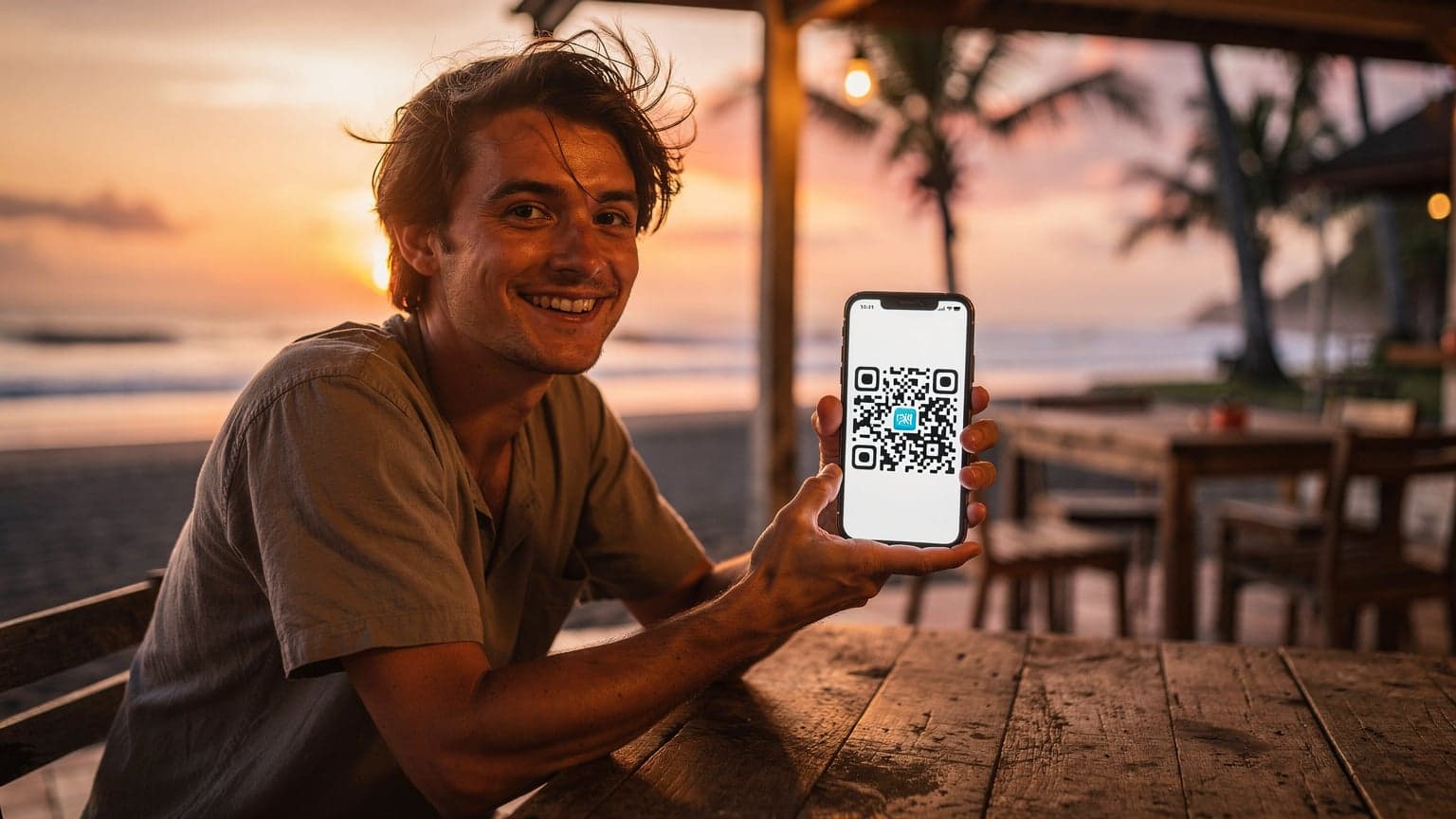
Yes, this is one of the biggest advantages of an eSIM. You can purchase your Telkomsel eSIM through a provider like Cellesim before you even leave home. The activation process, usually via a QR code, can be completed while you still have Wi-Fi, ensuring you land in Indonesia with instant data.
Are parental controls compatible with eSIM data usage?
Absolutely. Parental control features, such as Apple's Screen Time or Android's Family Link, operate at the device level. When your children's devices are connected to your phone's hotspot, they are simply using your phone's internet connection. All screen time limits, content restrictions, and app controls you've set will continue to function as normal.
What if my kids' iPads don't have eSIM capability?
Most iPads and tablets don't have eSIM capability themselves. This is precisely why using your smartphone's eSIM-enabled line as a personal hotspot is so effective. Your phone acts as the central hub for internet access, and all other devices connect to it via Wi-Fi, using the data from your Telkomsel eSIM.