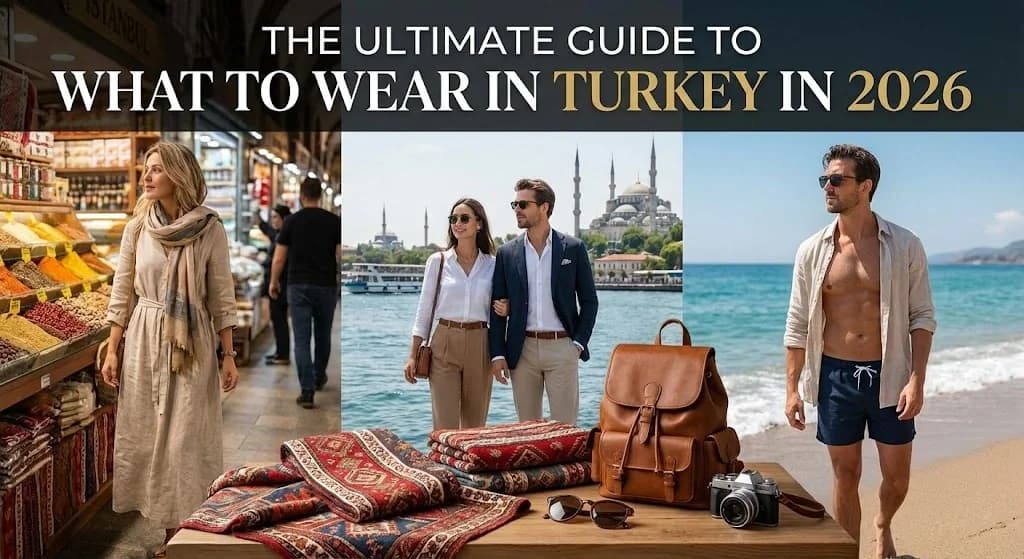
You’ve booked your flights, and your anticipation for Turkey is building. Yet, one question frequently arises: what exactly should you pack? Deciphering what to wear in Turkey in 2026 can feel complex. You might see images of travelers in light summer dresses in Antalya alongside others more fully covered in Konya. The reality is there isn't a single, universal dress code. Turkey is a nation of rich contrasts, and your attire largely depends on your specific location, planned activities, and the prevailing season.
Add a connectivity check to your packing list
Save your accommodation address, tickets and essential maps offline before departure. Then list the days and places where you want mobile data, including your arrival and departure days. For an itinerary within Turkey, compare the current Turkey packages by allowance, validity and the conditions listed for each plan. If someone in your group will share a connection, check hotspot support before buying. Confirm your exact phone model and carrier-lock status, and read what starts the package validity. A data-only plan does not itself receive bank SMS sent to your usual number; check that home line separately.
This comprehensive Turkey packing guide for 2026 aims to clarify these considerations, offering practical, real-world advice for traveling comfortably and respectfully. The goal is to ensure your Turkey outfits for 2026 are thoughtfully planned. The key lies not in strict rules, but in understanding context. Just as you plan your wardrobe, securing your connectivity with a Turkey eSIM data plan before you depart ensures you can navigate, translate, and share your experiences without interruption.
Turkey operates as a secular republic, with a predominantly Muslim population. While there are no legal dress codes for tourists or locals in public spaces, modesty is generally valued, particularly outside major tourist centers. For travelers visiting in 2026, this translates to a simple principle: be aware of your surroundings. An outfit perfectly suitable for a beach in Bodrum might feel inappropriate in a traditional market in Anatolia. The objective is to blend in sufficiently to feel comfortable, demonstrate respect for local customs, and avoid unnecessary attention. For more insights into seamless travel, refer to our guide on how to use your phone in Turkey. While cultural norms are generally stable, a slight emphasis on respectful dressing remains a sensible approach for a smooth Turkish adventure in 2026.
- Understanding Turkey's Dress Code for 2026 Travellers: Nuance & Evolving Norms
- Your Essential Turkey Packing List for 2026: A Season-by-Season Breakdown
- Footwear for Your 2026 Turkey Adventure: Comfort and Style
- Essential Accessories for Staying Comfortable in Turkey 2026
- Key Events & Festivals in Turkey 2026: Dressing for the Occasion
- Emerging Fashion & Cultural Nuances for Turkey in 2026
- Navigating 2026 Style: What to Wear in Istanbul, Coastal Resorts & Conservative Regions
- Specific Dress Guidelines for Turkish Mosques, Hamams, and Nightlife in 2026
- Packing Smarter: Tips for Laundry, Versatility, and Avoiding Overpacking for Turkey 2026
- Frequently Asked Questions
Connect Instantly with a Turkey eSIM!
Stay connected across 200+ countries. Join 50,000+ happy customers with Cellesim.
Get Your Turkey eSIM NowUnderstanding Turkey's Dress Code for 2026 Travellers: Nuance & Evolving Norms
The concept of a "dress code" in Turkey for tourists is more about cultural sensitivity than strict enforcement. As you plan your 2026 itinerary, remember that Turkey's diverse geography and societal fabric mean different expectations in different areas. Major cities like Istanbul, Izmir, and Ankara, along with popular coastal resorts such as Bodrum and Antalya, tend to be more liberal in their approach to everyday attire. Here, you will observe a wide spectrum of fashion, from modern European styles to more traditionally modest dress.
However, as you venture into more rural areas, smaller towns, or religious sites across Anatolia, a greater emphasis on modesty becomes apparent. This does not imply a requirement for full covering, but rather a suggestion to opt for clothing that covers shoulders, cleavage, and knees. This consideration extends to both men and women. For men, this might mean avoiding sleeveless tops in certain contexts. For women, a lightweight scarf is an indispensable item, easily adaptable for covering the head when entering a mosque or draping over shoulders for additional coverage.
The prevailing attitude among locals is generally welcoming and understanding towards tourists. By making an effort to dress respectfully, you demonstrate an appreciation for their culture, which often leads to more positive interactions. This approach enhances your travel experience by fostering connections rather than inadvertently causing discomfort. Consider what you might wear when visiting a religious site in your home country; apply a similar level of thought and respect when in Turkey.
"Traveling responsibly means understanding and respecting local customs. A little research into dress codes before your trip can significantly enhance your experience and interactions in a new country."
Your Essential Turkey Packing List for 2026: A Season-by-Season Breakdown
Turkey's climate diversity makes packing for Turkey's seasons in 2026 a crucial part of your preparation. You could enjoy sunbathing on the Mediterranean coast in the morning and later need a jacket for a cool evening in the Cappadocian highlands. Layering is your most effective strategy. Instead of focusing on distinct outfits, prioritize versatile pieces that can be combined in various ways. Before you start packing, it is beneficial to understand the pros and cons of an Airport SIM vs eSIM for Turkey; securing your data connectivity upon arrival saves time and simplifies your 2026 travel preparations.
Packing for Turkey Summer 2026 (June-August)
Summers in Turkey, particularly along the Aegean and Mediterranean coasts, are characterized by intense heat and humidity. Your primary focus should be on lightweight, breathable fabrics to maintain comfort during the 2026 summer months. Expect temperatures to consistently exceed 30°C (86°F) in popular coastal destinations like Antalya and Bodrum.
- Fabrics: Linen, cotton, and viscose are ideal choices. They offer excellent breathability and quick-drying properties. Avoid polyester and other synthetic materials that tend to trap heat.
- For Women: Maxi dresses, long skirts, loose-fitting linen trousers, and culottes are excellent options. Pair them with simple cotton t-shirts or blouses that cover the shoulders. While shorts are common in tourist areas, longer shorts (Bermuda or knee-length) provide a more versatile and respectful choice for city exploration and public transport in 2026.
- For Men: Linen shirts, polo shirts, and cotton t-shirts are suitable. Chinos or other lightweight trousers offer more versatility than shorts, although tailored shorts are perfectly acceptable for coastal towns and resorts.
- Essential Item: A lightweight scarf or pashmina is invaluable for women. It serves multiple purposes: covering your head when entering a mosque, offering additional sun protection for your shoulders, or providing a light layer in overly air-conditioned museums or buses during your 2026 trip.
What to Wear in Turkey in Spring & Autumn 2026 (April-May, September-October)
These months are arguably the most pleasant times to visit Turkey in 2026. The weather is generally mild, but can be unpredictable. Layering is not just recommended, it is essential. Average temperatures in Istanbul might range from 15-20°C (59-68°F) in spring and autumn, with Cappadocia experiencing notably cooler evenings.
- Tops: Pack a selection of both short-sleeved and long-sleeved tops.
- Bottoms: Jeans, chinos, and comfortable trousers are perfect for varied activities.
- Outerwear: A light jacket (such as a denim jacket or a lightweight trench coat) and a cardigan or fleece are necessary. A waterproof windbreaker is also a prudent addition, especially for Istanbul or Cappadocia, where unexpected rain showers are common during these transitional seasons in 2026.
- Footwear: These periods are excellent for walking and exploring, so comfortable, supportive shoes are mandatory. Closed-toe options like sneakers or loafers are a practical foundation for your footwear choices.
Winter in Turkey 2026 (November-March)
Winter can be cold and rainy in Istanbul, with significant snowfall in Cappadocia and Eastern Turkey. Coastal regions remain milder but will still experience cool and wet conditions. Anticipate average temperatures in Istanbul around 5-10°C (41-50°F), with temperatures in Cappadocia frequently dropping below freezing.
- Outerwear: A warm, waterproof coat is indispensable. Consider a down-filled jacket or a substantial wool coat.
- Layers: Thermal underwear, wool sweaters, and fleece-lined leggings or trousers will ensure you stay warm and comfortable.
- Accessories: Do not forget a warm hat, gloves, and a scarf to effectively combat the 2026 winter chill.
- Footwear: Waterproof boots with good grip are a must, especially if your plans include exploring areas prone to snow or ice, which is highly probable in Cappadocia.
Footwear for Your 2026 Turkey Adventure: Comfort and Style
Choosing the right footwear is as critical as selecting your clothing for your 2026 trip to Turkey. You will likely be doing a considerable amount of walking, navigating historical sites, bustling markets, and varied terrain. Blisters or uncomfortable shoes can quickly detract from your experience. Prioritize comfort and practicality without completely sacrificing style.
- For City Exploration (Istanbul, Izmir): Comfortable walking shoes or stylish sneakers are your best companions. Istanbul's hilly streets and extensive pedestrian areas demand supportive footwear. Loafers or elegant flats can also work for evenings or less strenuous days.
- For Coastal Resorts (Bodrum, Antalya): Sandals, espadrilles, and flip-flops are perfect for beach and poolside activities. For evenings, dressier sandals or boat shoes for men are appropriate.
- For Historical Sites (Ephesus, Cappadocia): Sturdy walking shoes or light hiking boots are recommended. The uneven surfaces of ancient ruins and the unique landscapes of Cappadocia (especially if you plan to explore valleys) require good ankle support and grip.
- For Evenings Out: While casual is often acceptable, smart casual footwear such as clean sneakers, dressier flats, or low heels can elevate an outfit for dinner or a night out in cosmopolitan areas.
- Consider Versatility: Pack one pair of shoes that can transition from day to evening. For example, a sleek pair of white sneakers can be surprisingly versatile.
Essential Accessories for Staying Comfortable in Turkey 2026
Beyond your main wardrobe, a few key accessories can significantly enhance your comfort and preparedness during your 2026 journey through Turkey. These items are often overlooked but prove invaluable in various situations.
- Multi-purpose Scarf/Pashmina: For women, this is the single most versatile item. It can serve as a head covering for mosques, a shoulder wrap for modesty or warmth, a stylish accessory, or even a makeshift picnic blanket. For men, a light scarf can offer warmth on cool evenings or sun protection.
- Hats: A wide-brimmed hat or a baseball cap is essential for sun protection during the long, sunny days, especially in summer or when visiting outdoor ruins. In winter, a warm beanie is crucial for battling the cold.
- Sunglasses: Protect your eyes from the bright Mediterranean sun, which is strong year-round.
- Small Daypack/Crossbody Bag: A comfortable bag is needed to carry essentials like water, sunscreen, a guidebook, your phone (with your Turkey eSIM active), and any souvenirs. A crossbody bag can offer better security in crowded areas.
- Travel Adapter/Power Bank: Turkey uses Type F sockets (European two-pin). Ensure you have the correct adapter. A portable power bank is also highly recommended to keep your devices charged, especially when relying on maps and translation apps.
- Reusable Water Bottle: Staying hydrated is crucial, particularly in warmer months. Refill your bottle to reduce plastic waste and save money.
Find Your Ideal eSIM Plan
Key Events & Festivals in Turkey 2026: Dressing for the Occasion
When curating your Turkey 2026 outfits, factor in any significant events or festivals that coincide with your travel dates. These occasions often carry distinct atmospheres or require specific practical considerations for your attire. For instance, if your visit to Istanbul in late April/early May 2026 aligns with the tail end of the Istanbul Film Festival, smart-casual to semi-formal wear would be appropriate for evening screenings and associated cultural gatherings. Conversely, if your 2026 trip includes Konya in December for the Mevlana Whirling Dervishes Festival, you will want warmer, more modest attire suitable for religious ceremonies, which, though primarily indoors, still call for respect for tradition.
Summer festivals along the Aegean and Mediterranean coasts, such as music festivals in Bodrum or Antalya, will necessitate much more relaxed, breathable clothing , think stylish resort wear that allows for easy movement. For those interested in historical re-enactments or local cultural celebrations that may occur throughout the year, comfortable shoes and versatile layers are consistently a reliable choice. Always consult the specific event's official website closer to your 2026 travel date for any particular dress code recommendations, as these can vary considerably. Being prepared not only enhances your personal experience but also demonstrates respect for local customs and celebrations.
Emerging Fashion & Cultural Nuances for Turkey in 2026
While Turkey's fundamental cultural expectations for visitors remain largely consistent, an awareness of evolving fashion trends and subtle cultural shifts can help refine your what to wear in Turkey 2026 approach. In metropolitan areas like Istanbul, there is a growing appreciation for sustainable and ethically produced fashion. Incorporating pieces from eco-friendly brands or choosing natural fabrics aligns with a more conscious travel mindset, a trend gaining global momentum. For 2026, anticipate a continuation of the 'modest chic' trend, characterized by stylish, flowing garments that offer both comfort and coverage without compromising elegance. Consider wide-leg trousers, tailored jumpsuits, and elegant long dresses that are practical for touring and culturally respectful.
Social media continues to influence local fashion, with Turkish influencers showcasing a diverse array of styles. This indicates that tourists should still feel comfortable expressing their personal style, provided it leans towards respectful choices, especially when venturing beyond strictly tourist zones. While no radical shifts in general dress code are expected for 2026, a subtle movement towards more understated luxury and smart-casual versatility is observable. Remember, while a bright, bold outfit might be perfect for a resort setting, softer tones and less overtly revealing clothing will facilitate smoother navigation through both city streets and more traditional areas, fostering greater ease and cultural harmony throughout your 2026 Turkish journey.
Navigating 2026 Style: What to Wear in Istanbul, Coastal Resorts & Conservative Regions
Your Turkey 2026 packing list should be dynamic, adapting to the specific regions on your itinerary. Before finalizing your wardrobe, it is prudent to check if your device is eSIM compatible, as reliable mobile data will be your essential tool for navigation and information, especially when moving between diverse regions in 2026.
Istanbul 2026: The Cosmopolitan Mix
Istanbul is a modern, fashion-forward metropolis. In 2026, you will continue to encounter an immense variety of styles, from high fashion to casual streetwear. Here, you can largely dress as you would in any major European city. The emphasis should be on 'smart casual' attire, with comfort being a key consideration given the city's hilly terrain and extensive walking opportunities.
- Daywear: Jeans, smart trousers, midi skirts, and dresses are all suitable. Pair them with blouses, stylish t-shirts, or sweaters depending on the season. Layering is always wise.
- Evenings: Istanbul offers a vibrant nightlife and dining scene. For dinner or a night out, elevate your look with dressier trousers, skirts, or a chic dress. Men might opt for smart shirts, chinos, or dark jeans.
- Footwear: Comfortable, fashionable walking shoes are paramount.
Coastal Resorts (Bodrum, Antalya, Fethiye) 2026: Relaxed Beach Chic
The Aegean and Mediterranean coasts are known for their relaxed, holiday atmosphere. Dress codes here are significantly more casual, reflecting the beach and resort lifestyle. This applies to popular destinations like Bodrum, Antalya, Marmaris, and Fethiye.
- Daywear: Swimwear is standard for beaches and pools. Outside these areas, cover-ups, light summer dresses, shorts, t-shirts, and tank tops are commonly worn. Natural, breathable fabrics are best.
- Evenings: Resort casual is the norm. Flowy maxi dresses, linen trousers with a nice top for women, and smart shorts or linen trousers with polo shirts for men are appropriate for dinners and evening strolls.
- Footwear: Sandals, flip-flops, and espadrilles dominate during the day. Dressier sandals or loafers are suitable for evenings.
Conservative Regions (Central and Eastern Anatolia) 2026: Respectful Modesty
When traveling inland to regions like Central Anatolia (e.g., Konya, Cappadocia) or Eastern Turkey, a more conservative approach to dress is advisable. While still welcoming, these areas uphold more traditional values. This also extends to smaller towns and villages throughout Turkey, regardless of region.
- For Women: Prioritize covering your shoulders, cleavage, and knees. Loose-fitting long skirts, maxi dresses, or wide-leg trousers paired with long-sleeved blouses or t-shirts are excellent choices. Always carry a headscarf for mosque visits.
- For Men: Avoid sleeveless shirts. Opt for t-shirts, polo shirts, or button-down shirts, paired with jeans or long trousers.
- General: Aim for clothing that does not cling tightly to the body. Muted colors can help you blend in more subtly, though bright colors are not offensive.
Specific Dress Guidelines for Turkish Mosques, Hamams, and Nightlife in 2026
Certain venues and activities in Turkey have specific expectations regarding attire. Being aware of these will ensure you navigate these experiences respectfully and comfortably during your 2026 travels.
Mosque Visits: Reverence and Respect
Visiting a mosque, such as the iconic Blue Mosque in Istanbul, is a highlight for many travelers. These are places of worship, and respectful dress is essential for both men and women.
- For Women: You must cover your head with a scarf. Shoulders and upper arms should be covered, and skirts or trousers should extend below the knee. Avoid revealing necklines. Many larger mosques provide loaner scarves and long skirts at the entrance if you are unprepared.
- For Men: Shoulders and knees must be covered. Avoid shorts and tank tops.
- For All: Shoes must be removed before entering the prayer area. Carry a small bag to put your shoes in, or place them on the provided shelves. Maintain quiet and respectful behavior inside.
Hamams (Turkish Baths): Practicality and Privacy
A traditional hamam experience is deeply relaxing. While the environment is often gender-segregated, there are still specific considerations for what to wear (or not wear).
- During the Bath: Traditionally, a peştemal (a thin cotton wrap) is provided and worn during the bath, covering your lower body. You may wear your own swimsuit underneath if you prefer, especially in mixed-gender or tourist-oriented hamams. For women, some opt to go topless or completely nude under the peştemal, but this varies by hamam and personal comfort. It is always acceptable to keep your swimsuit on.
- Before/After: You will have private changing rooms. Casual, comfortable clothing is best for changing into before and after your treatment.
Nightlife in 2026 (Istanbul, Bodrum, Antalya): Stylish and Confident
Turkey's major cities and coastal resorts offer vibrant nightlife, from upscale restaurants and bars to lively clubs.
- Istanbul Nightlife: This is a sophisticated scene. Smart casual or even semi-formal attire is common, especially in high-end venues in districts like Beyoğlu or Karaköy. Think stylish dresses, skirts, or tailored trousers for women, and collared shirts with smart trousers or dark jeans for men.
- Coastal Resort Nightlife: More relaxed than Istanbul, but still stylish. Light, elegant summer dresses, jumpsuits, or dressy tops with shorts/skirts for women. Smart casual shirts and tailored shorts or chinos for men.
- Footwear: Comfortable but stylish shoes are key. Heels are common for women in Istanbul, but often not practical for cobblestone streets.
Packing Smarter: Tips for Laundry, Versatility, and Avoiding Overpacking for Turkey 2026
Efficient packing can significantly enhance your travel experience, allowing for greater mobility and reducing stress. For your 2026 trip to Turkey, consider these smart packing strategies.
Embrace Versatility and Layering
Choose clothing items that can be mixed and matched to create multiple outfits. A neutral color palette with a few accent pieces works wonders. Layers are crucial due to Turkey's diverse climates and the potential for temperature fluctuations within a single day. A lightweight cardigan or jacket can transform a day outfit into something suitable for a cooler evening.
Utilize Laundry Services or Pack Travel Detergent
Most mid-range to upscale hotels in Turkey offer laundry services, though they can be pricey. In larger cities and tourist towns, you'll also find self-service laundromats or local dry cleaners that offer wash-and-fold services for a reasonable fee. For lighter items, consider packing a small amount of travel laundry detergent and washing essentials in your hotel sink. This allows you to refresh items and pack fewer clothes overall.
Consider Travel-Sized Toiletries
Unless you have specific brands you cannot live without, purchase travel-sized toiletries or decant your favorites into reusable containers. Most hotels provide basic amenities, and pharmacies (eczane) and supermarkets are widely available across Turkey for buying anything you might forget or run out of.
Roll, Don't Fold
Rolling your clothes tightly can save significant space in your luggage and minimize wrinkles. Compression packing cubes are also excellent tools for organizing and condensing your belongings, making it easier to find items and keeping your suitcase tidy.
Benefits of Light Packing
Traveling lighter offers numerous advantages: easier navigation through airports and public transport, no checked baggage fees, and greater flexibility for impromptu excursions. It also leaves room for any unique souvenirs you might wish to bring back from Turkey.
Ready for Seamless Connectivity in Turkey?
Join 50,000+ travelers in 200+ countries. Set up your eSIM in minutes.
Start Your Connected JourneyTrusted by travelers worldwide. 24/7 Support: [email protected]
Frequently Asked Questions
Is there a strict dress code for women in Turkey for 2026?
No, there is no strict legal dress code for women in Turkey. However, in more conservative regions and when visiting religious sites like mosques, it is advisable to dress modestly by covering shoulders, cleavage, and knees. In cities and coastal resorts, dress is generally more relaxed and modern.
Do I need to cover my head when visiting a mosque in Turkey?
Yes, women must cover their heads with a scarf before entering the prayer areas of mosques. Men should also ensure their shoulders and knees are covered. Many popular mosques provide scarves for visitors at the entrance if you do not have your own.
What kind of shoes should I pack for a 2026 trip to Turkey?
Comfortable walking shoes or sneakers are essential for exploring cities and historical sites. For coastal areas, sandals or flip-flops are suitable. If visiting Cappadocia or planning to hike, sturdy shoes with good grip are recommended due to uneven terrain.
Can I wear shorts in Turkey in 2026?
Yes, shorts are widely accepted in major cities and coastal resorts, especially during the hot summer months. However, if you plan to visit more traditional towns, rural areas, or religious sites, longer shorts or trousers are a more respectful choice for both men and women.
How can Cellesim help me while traveling in Turkey in 2026?
Cellesim provides convenient eSIM data plans for Turkey, allowing you to stay connected without needing a physical SIM card. This means you can easily access maps, translation apps, check local event details, and communicate with ease, all crucial for navigating your trip and making informed clothing choices based on your location.
What should I wear for evening outings in Istanbul or Bodrum?
For evening outings in cosmopolitan areas like Istanbul or resort towns like Bodrum, smart casual attire is generally appropriate. This could include stylish dresses or tailored trousers for women, and collared shirts with chinos or dark jeans for men. The atmosphere is often more relaxed in coastal areas than in Istanbul's high-end venues.
See also: Bermuda eSIM
See also: eSIM for Turkey