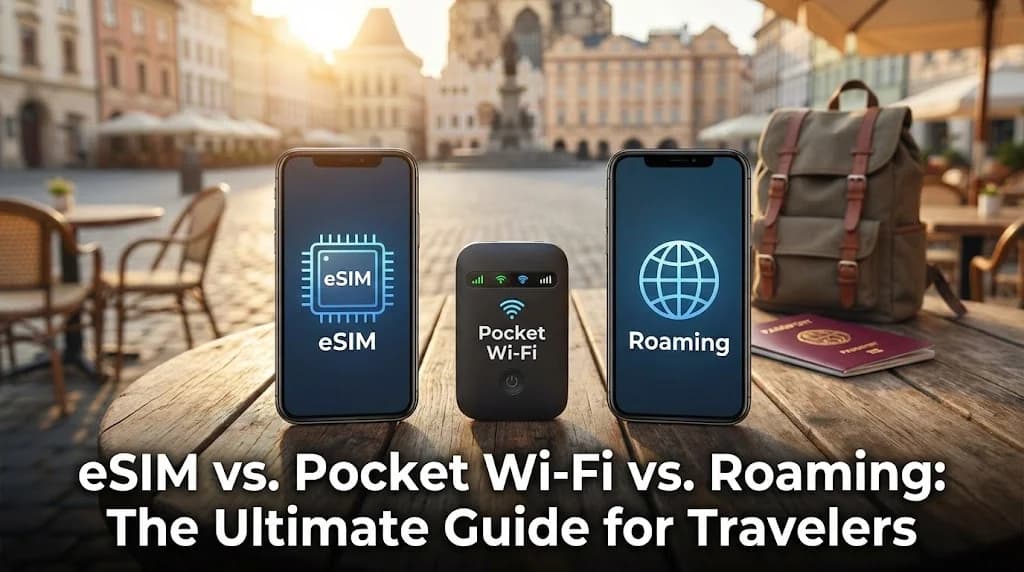
In the digital age of travel, staying connected is no longer a luxury but a necessity. Whether you are navigating unfamiliar streets, sharing travel moments with loved ones, or managing work on the go, a reliable internet connection is paramount. Travelers today face a crucial decision: should they opt for the convenience of an eSIM, the flexibility of a pocket Wi-Fi device, or stick with traditional international roaming?
This ultimate guide explores each option, comparing their benefits, drawbacks, and ideal use cases to help you make an informed choice for your next adventure.
- eSIMs: The Modern Traveler's Connectivity Solution
- Pocket Wi-Fi Devices: Shared Connectivity on the Go
- Traditional Roaming: Convenience with Hidden Costs
- Side-by-Side Comparison: eSIM vs. Pocket Wi-Fi vs. Roaming
- Choosing Your Ideal Connectivity: Factors to Consider
- Smart Travel Tips for Seamless Global Connectivity
- Frequently Asked Questions
Connect Globally with a Cellesim eSIM
Experience seamless internet in 200+ countries with instant setup. Join 50,000+ happy customers.
Get Your Global eSIMeSIMs: The Modern Traveler's Connectivity Solution
An eSIM, or embedded SIM, is a digital SIM card that allows you to activate a cellular plan from a carrier without needing a physical SIM card. It is built directly into compatible smartphones, tablets, and smartwatches, offering unprecedented flexibility for international travelers. Cellesim provides eSIM plans for over 200 countries, making global connectivity simpler than ever.
How Cellesim eSIMs Simplify Connectivity
Cellesim eSIMs offer numerous advantages for international travel. Setup is digital and typically takes just a few minutes from purchase to activation. You can buy a plan before your trip, install it, and activate it upon arrival, instantly connecting to a local network. This eliminates the need to find local SIM card vendors or deal with language barriers in a new country. Data plans vary in size and duration, catering to different travel styles, from short city breaks to extended adventures. You can easily manage your data usage and top up directly from the Cellesim website or app.
Benefits of Using an eSIM for Travel
- Instant Digital Activation: Purchase, install, and activate your data plan within minutes, often before you even leave home.
- Cost-Effectiveness: eSIM plans are generally more affordable than traditional roaming, with transparent pricing and no hidden fees. Compare options on our roaming savings calculator.
- Dual SIM Functionality: Keep your primary physical SIM active for calls and texts (e.g., 2FA codes) while using the eSIM for data, often without incurring roaming charges on your primary line (ensure data roaming is off for the physical SIM). Learn more about keeping your number in our guide on how to keep your number when using an eSIM.
- Environmental Friendly: No physical plastic card means less waste.
- Security: eSIMs are less prone to loss or theft compared to physical SIMs.
Pocket Wi-Fi Devices: Shared Connectivity on the Go
A pocket Wi-Fi device, also known as a portable hotspot or Mi-Fi device, creates a personal Wi-Fi network that multiple devices can connect to. These devices typically use a physical SIM card from a local carrier to access the internet, then broadcast that connection as Wi-Fi. They are often rented for the duration of a trip or purchased outright.
Advantages of Portable Hotspots
- Shareable Connectivity: Ideal for families or groups traveling together, as multiple devices (phones, laptops, tablets) can connect simultaneously to a single device.
- Dedicated Device: It offloads internet connectivity from your phone, potentially saving your phone's battery life.
- Security: A personal Wi-Fi network is generally more secure than public Wi-Fi hotspots, which can be vulnerable.
Disadvantages and Practical Considerations
Despite their benefits, pocket Wi-Fi devices come with several drawbacks. They are an additional gadget to carry and charge, adding bulk and another power adapter to your travel kit. Rental costs can accumulate, and purchasing one requires an upfront investment. Data plans can be less flexible compared to eSIMs, and coverage depends entirely on the local SIM card inside the device, which might not always be optimal. Furthermore, if the device runs out of battery, all connected devices lose internet access.
"While a pocket Wi-Fi device offers a convenient way to share internet, the added burden of carrying and charging another gadget often outweighs the benefits for solo travelers or small groups."
Traditional Roaming: Convenience with Hidden Costs
International roaming allows you to use your home cellular plan's services (calls, texts, data) in a foreign country by connecting to a partner network. It is often seen as the default, most convenient option because it requires no setup beyond enabling "Data Roaming" in your phone's settings.
The Appeal of Effortless Connection
The primary advantage of traditional roaming is its simplicity. You land, turn on your phone, and you are connected, using your familiar phone number and apps. This 'always-on' connection can be reassuring, especially for business travelers who need to receive calls and messages on their primary number without interruption.
The "Convenience Trap": Unpacking Roaming Costs
While convenient, traditional roaming is almost always the most expensive option. Carriers often charge exorbitant per-MB rates for data, which can lead to "bill shock" upon returning home. Even with international roaming packages, the data allowances are typically much smaller and more expensive than what local SIMs or eSIMs offer. Many travelers inadvertently exceed their roaming package limits, incurring steep overage charges.
- High Costs: Data, calls, and texts can be significantly more expensive, leading to unexpected bills.
- Limited Data: Roaming packages often provide minimal data, which is quickly consumed by modern smartphone usage.
- Network Dependence: Connectivity quality depends on your home carrier's roaming agreements in the destination country.
For most travelers, especially those planning to use data heavily for navigation, social media, or streaming, roaming presents a significant financial risk. Understanding these costs is crucial before relying solely on your home provider's international roaming services. Our guide on Cellesim vs. Roaming offers a detailed breakdown.
Side-by-Side Comparison: eSIM vs. Pocket Wi-Fi vs. Roaming
To help you visualize the differences, here is a concise comparison of the three primary connectivity options:
| Feature | eSIM | Pocket Wi-Fi | Traditional Roaming |
|---|---|---|---|
| Setup | Instant Digital | Physical Device & SIM | Automatic |
| Cost | Low to Moderate | Moderate (Rental/Purchase) | High (Per-MB rates) |
| Data Allowance | Flexible, Generous | Often Generous | Limited, Pricey |
| Device Requirement | eSIM-Compatible Phone | Separate Device | Any Phone |
| Sharing Data | Yes (Hotspot) | Yes (Built-in) | Yes (Hotspot) |
| Portability | Built into Phone | Additional Gadget | Built into Phone |
| Battery Drain | Moderate Phone | Dedicated Device | Moderate Phone |
| Flexibility | High (Multiple Plans) | Moderate (Fixed Plan) | Low (Home Carrier Only) |
This table illustrates that while each option has its niche, eSIMs consistently offer a balanced combination of convenience, cost-effectiveness, and flexibility for the majority of travelers. For a detailed guide on setup, refer to our complete eSIM setup guide.
Choosing Your Ideal Connectivity: Factors to Consider
The best option depends on your specific travel needs and preferences. Consider these factors when making your decision:
Your Travel Style and Duration
- Solo Traveler/Couple: An eSIM is often the most practical and cost-effective. It's integrated into your phone, requires no extra devices, and offers competitive data plans for individual usage.
- Family/Group Travel: A pocket Wi-Fi device might seem appealing for sharing, but a Cellesim eSIM for family travel, combined with personal hotspot functionality, can offer similar sharing capabilities without the extra gadget.
- Business Traveler: An eSIM allows you to maintain your primary number for business calls while using the eSIM for data, offering a professional and cost-controlled solution.
- Long-Term Travel: eSIMs provide flexibility to switch plans or top up as needed, adapting to extended stays and varied data requirements.
Your Data Needs and Usage Habits
How much data do you anticipate using? If you primarily need data for navigation, messaging, and occasional browsing, a smaller eSIM package might suffice. For heavy streaming, video calls, or working remotely, consider larger eSIM plans or options that support hotspot for your laptop. Use our smart data calculator to estimate your needs.
Device Compatibility
Ensure your smartphone supports eSIM technology. Most flagship phones from the last few years are compatible. If you have an older device, a pocket Wi-Fi might be your only alternative to traditional roaming or a physical local SIM. Check our list of eSIM compatible devices.
Budget Considerations
Set a clear budget for connectivity. While roaming offers ultimate convenience, its costs can quickly escalate. eSIMs provide transparent, upfront pricing, allowing for better budget management. Pocket Wi-Fi devices have initial costs (rental or purchase) plus data plans.
Smart Travel Tips for Seamless Global Connectivity
Regardless of your chosen method, these tips can enhance your connected travel experience:
- Download Offline Maps: Before you go, download maps for your destination using Google Maps or similar apps. This saves data and works even when you're offline. Read more in our guide on how to save data abroad.
- Utilize Free Wi-Fi Wisely: Use secure Wi-Fi at hotels and cafes for large downloads or updates, but be cautious with personal banking or sensitive information on public networks.
- Monitor Data Usage: Regularly check your data consumption through your phone settings or the Cellesim app to avoid running out unexpectedly. Our blog post on how to check eSIM data usage and top up provides details.
- Activate eSIM at the Right Time: Install your eSIM before you travel, but activate the data plan just before or upon arrival in your destination country. This ensures you maximize your plan's validity period.
- Consider a Regional eSIM: If you're traveling across multiple countries in a region like Europe, a regional eSIM can be more cost-effective than buying individual country plans.
For more general travel advice and destination-specific guides, consider consulting official tourism websites like the Lonely Planet travel guides for comprehensive planning resources.
Ready for Seamless Connectivity?
Stop worrying about roaming fees. Get instant, reliable internet wherever you go.
Start Your Connected JourneyTrusted by 50,000+ travelers in 200+ countries. 24/7 Support: [email protected]
Frequently Asked Questions
Can I make calls and send SMS with an eSIM?
Most travel eSIMs primarily provide data services. This means you can use messaging apps like WhatsApp, Telegram, or iMessage, and make calls using apps like FaceTime, Skype, or Google Voice, which rely on data. Your primary phone number on your physical SIM can often remain active for receiving calls and texts (like 2FA codes) without incurring roaming data charges, as long as you disable data roaming for that line.
Is my phone compatible with eSIM technology?
Many modern smartphones, including recent models from Apple (iPhone XR and newer), Samsung (Galaxy S20 and newer), Google Pixel (Pixel 3 and newer), and others, support eSIM. You can quickly check your device's compatibility by visiting our dedicated eSIM Checker page on the Cellesim website.
When should I activate my Cellesim eSIM?
You can purchase and install your Cellesim eSIM days or even weeks before your trip. However, it is generally recommended to activate the data plan just before you depart or upon arrival at your destination to ensure maximum validity. Most plans only start their countdown once connected to a network in the destination country. Refer to our guide on when to activate your eSIM for more timing advice.
Can I use my eSIM for personal hotspot and share data?
Yes, Cellesim eSIMs typically support personal hotspot (tethering) functionality, allowing you to share your data connection with other devices like laptops, tablets, or other smartphones. This feature is subject to your phone's capabilities and the terms of your specific eSIM plan. It is an excellent way to keep multiple devices connected without needing a separate pocket Wi-Fi device. Learn more in our guide on how to use your eSIM personal hotspot.
What if I run out of data on my Cellesim eSIM?
If you deplete your data allowance, you can easily top up your existing Cellesim eSIM plan or purchase a new one directly from the Cellesim website or app. The process is quick and digital, ensuring you stay connected without interruption. Always monitor your data usage through your phone's settings or the Cellesim portal. More information is available in our article how to check eSIM data usage and top up.
Why choose Cellesim over other eSIM providers?
Cellesim offers extensive global coverage in 200+ countries, competitive pricing, and 24/7 customer support. With 50,000+ happy customers and an easy-to-use platform, we ensure reliable and seamless connectivity for all your travels. Our commitment is to provide transparent plans and an intuitive user experience from purchase to activation.
Heading there? Compare data plans on our Bosnia and Herzegovina eSIM page and install before you fly.
Heading there? Compare data plans on our United Kingdom eSIM page and install before you fly.