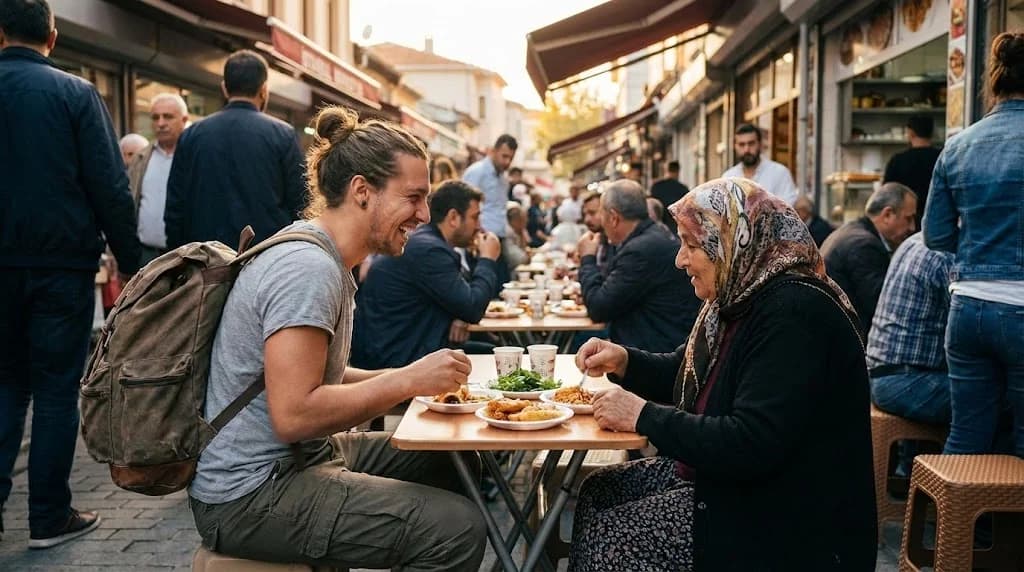
In the vast landscape of travel, two distinct paths often emerge: the well-trodden tourist route and the immersive journey of a local. While guidebooks and popular attractions offer comfort and convenience, truly traveling like a local unlocks a deeper, richer understanding of a destination. It is about moving beyond the superficial, engaging with communities, and discovering the authentic pulse of a place. This approach transforms a mere visit into a genuine experience, forging memories that resonate long after the trip concludes. It matters because it fosters cultural appreciation, supports local economies, and provides a more personal, meaningful connection with the world.
- Why Local Travel Enhances Your Journey
- Embracing Local Experiences Beyond the Tourist Trail
- Connecting with Locals and Their Culture
- Navigating Like a Local: Essential Tools and Connectivity
- The Practicalities of Immersive Travel: Accommodation and Budget
- Beyond the Map: Finding Hidden Gems and Authentic Moments
- Maintaining Seamless Connectivity for Local Exploration
- Frequently Asked Questions
Explore the World Like a Local with Cellesim
Connect instantly in 200+ countries and join 50,000+ happy customers who choose seamless connectivity abroad.
View Global eSIM PlansWhy Local Travel Enhances Your Journey
Traveling like a local fundamentally reshapes your perspective. Instead of merely observing, you become an active participant in the daily rhythm of a new environment. This approach allows for authentic encounters, whether it is discovering a tiny, family-run restaurant with the best regional cuisine or stumbling upon a vibrant local market untouched by tourist crowds. It fosters a deeper appreciation for the culture, customs, and people, moving beyond stereotypes and into genuine understanding.
The benefits extend beyond cultural immersion. Local travel often translates to more affordable experiences. By patronising local businesses, opting for public transport, and seeking out non-touristy attractions, you can often significantly reduce your travel costs. This strategy aligns perfectly with the goal of how to travel for cheap, making extended trips more feasible. Moreover, it contributes directly to the local economy, ensuring your travel spending benefits the community you are visiting rather than large international corporations. As a traveler, this shift offers a sense of ethical engagement, making your journey impactful in a positive way.
"The world is a book, and those who do not travel read only one page." , Saint Augustine. For truly reading the book, one must turn past the introductory chapters and delve into the narratives of its people.
Embracing Local Experiences Beyond the Tourist Trail
To truly travel like a local, one must intentionally step away from the well-worn paths designed for mass tourism. This means researching local events, festivals, and lesser-known attractions that offer a glimpse into the authentic life of a destination. Consider visiting neighbourhood parks, attending local sporting events, or exploring art galleries showcasing regional artists instead of just the major museums. Engaging with these aspects provides a more nuanced understanding of the culture.
Food is a cornerstone of any culture. Instead of eating at restaurants catering to international palates, seek out local eateries, street food vendors, and markets where residents shop and dine. Use language translation apps to navigate menus and converse with vendors. This culinary exploration is not just about taste; it is about understanding local ingredients, cooking methods, and social customs around meals. Many memorable travel quotes with friends often revolve around shared meals and the unique flavors discovered together.
Connecting with Locals and Their Culture
Genuine connection with locals is at the heart of immersive travel. Learning a few basic phrases in the local language, even simple greetings and polite requests, can open doors and show respect. People are often more willing to help or share insights when they see an effort to engage. Beyond language, observing and adapting to local customs and etiquette is crucial. This might involve understanding dress codes, social greetings, or dining practices.
Platforms like the couchsurfing app offer unique opportunities to stay with locals and experience their daily lives firsthand. Even if you do not use it for accommodation, the community features can connect you with locals willing to offer tours or meetups. Participating in workshops, cooking classes, or volunteer opportunities can also create meaningful interactions. These shared experiences often lead to some of the most profound travel quotes inspirational and short unique travel quotes you will carry with you.
Navigating Like a Local: Essential Tools and Connectivity
Effective navigation is paramount when exploring off the beaten path. Reliable mobile data is not just a convenience; it is a necessity for local travel. Using local maps, public transport apps, and translation tools requires constant internet access. This is where an eSIM becomes invaluable. Unlike traditional roaming, which can be expensive, or physical local SIMs, which require finding a store and registration, an eSIM from Cellesim provides instant connectivity.
With Cellesim, you can purchase a data plan for your destination before you even leave home. Upon arrival, your phone connects to the local network instantly. This allows you to hail local taxis via apps, find the quickest bus routes, translate signs and menus, and look up recommendations from local blogs without interruption. Avoiding the hunt for Wi-Fi or local SIM card shops immediately frees up time for exploration and immersion.
Consider the connectivity options available for your journey:
| Option | Price (7 days, approx.) | Speed | Setup | Local Integration |
|---|---|---|---|---|
| Cellesim eSIM | From $4.50 | Full 4G/5G | Instant (Pre-arrival) | Seamless (Dual SIM) |
| Local Physical SIM | $15-30 | Full 4G/5G | Store visit, registration | Good (New number) |
| Carrier Roaming | $10-15/day | Throttled/Variable | Automatic | Limited (High cost) |
The Practicalities of Immersive Travel: Accommodation and Budget
Choosing the right accommodation is key to a local experience. While hotels offer amenities, options like Airbnb or smaller, locally-owned guesthouses often provide a more authentic stay. Staying in residential neighbourhoods rather than tourist districts exposes you to daily life and offers opportunities to interact with neighbours, find local shops, and feel more integrated into the community. This choice supports local hosts and allows for a more personal touch.
Budgeting for local travel also involves smart choices. Eating out less frequently and cooking some meals in your Airbnb can save significant money. Using public transportation instead of taxis is not only cheaper but also provides a more realistic view of how locals commute. Exploring free attractions, such as parks, markets, and walking tours, helps manage costs. These strategies demonstrate how to travel for cheap without compromising on the richness of the experience.
Beyond the Map: Finding Hidden Gems and Authentic Moments
True local travel goes beyond checking off a list of attractions; it involves serendipitous discoveries and authentic moments. This requires an open mind and a willingness to deviate from planned itineraries. Ask locals for recommendations, whether it is the best coffee shop, a scenic viewpoint, or a quiet park. They often know the true hidden gems that are absent from typical guidebooks.
Embrace the unexpected. A wrong turn can lead to a charming alleyway, a quiet square, or an impromptu conversation with a local artisan. These moments often become the most memorable parts of a trip, embodying the essence of travel quotes about adventure and discovery. The flexibility offered by readily available connectivity, like a Cellesim eSIM in Italy, allows you to confidently explore without fear of getting lost or disconnected.
Maintaining Seamless Connectivity for Local Exploration
For the truly independent traveller, a reliable data connection is indispensable. Whether you are searching for a highly-rated local restaurant, navigating a complex public transport system, or looking up information about a spontaneous discovery, uninterrupted internet access is crucial. Cellesim provides this foundation, allowing you to focus on the experience rather than connectivity woes.
With eSIM compatible devices, setting up your local data plan is quick and easy. There is no need to hunt for physical SIM cards at unfamiliar airports or stores, nor do you contend with language barriers during activation. This efficiency means more time for exploration and less time worrying about logistics. Furthermore, with Cellesim's global coverage across 200+ countries, you can maintain this seamless connection across multiple destinations, making it an ideal choice for extended multi-country journeys focused on local immersion.
By using an eSIM, you also maintain your primary phone number for calls and texts, ensuring you stay connected with friends and family back home while using the eSIM for all your data needs abroad. This dual SIM functionality is perfect for those who want to keep their number when using a travel eSIM, striking the ideal balance between local immersion and personal connectivity.
Ready for Your Next Authentic Adventure?
Unlock genuine experiences and travel like a true local with Cellesim. Seamless connectivity, worldwide.
Start Your Connected JourneyTrusted by 50,000+ travelers worldwide. 24/7 email support.
Frequently Asked Questions
What is an eSIM and how does it help me travel like a local?
An eSIM is a digital SIM card embedded in your phone, eliminating the need for a physical card. It allows you to purchase and activate local data plans before you arrive, providing instant, affordable connectivity. This empowers you to use navigation, translation, and local discovery apps seamlessly, helping you immerse without worrying about expensive roaming charges or searching for Wi-Fi.
Can I keep my home number while using a Cellesim eSIM?
Yes, absolutely. With a Cellesim eSIM, you can continue using your primary physical SIM for calls and texts from your home number while using the eSIM for mobile data abroad. This dual SIM functionality ensures you stay connected with everyone and avoid high roaming costs for data services.
How do I know if my phone is compatible with an eSIM?
Most modern smartphones, especially those released in the last few years, are eSIM compatible. You can easily check your device's compatibility by visiting the Cellesim eSIM Checker or consulting your phone's settings. If your device supports eSIM, Cellesim offers a wide range of plans to suit your travel needs.
Is an eSIM cheaper than buying a local SIM card at the airport?
In many cases, yes. Cellesim eSIMs often provide competitive pricing, and the convenience factor is significant. You avoid queues, potential language barriers, and often convoluted registration processes at airports. With an eSIM, you are connected the moment you land, usually at a better or comparable rate to a local physical SIM, and often with more flexible package options.
What if I run out of data on my Cellesim eSIM plan?
Running out of data is not an issue with Cellesim. You can easily monitor your data usage through your Cellesim account and top up your plan instantly online. This ensures you maintain continuous connectivity throughout your trip, giving you peace of mind to explore without interruption.
How can an eSIM help me find local experiences?
An eSIM provides immediate internet access upon arrival, allowing you to use local navigation apps, search for hidden gems recommended by locals online, translate menus in authentic eateries, and connect with local communities or event listings. This seamless connectivity empowers you to fully engage with the local scene without the typical tourist hurdles.