Updated: 2026-02-15
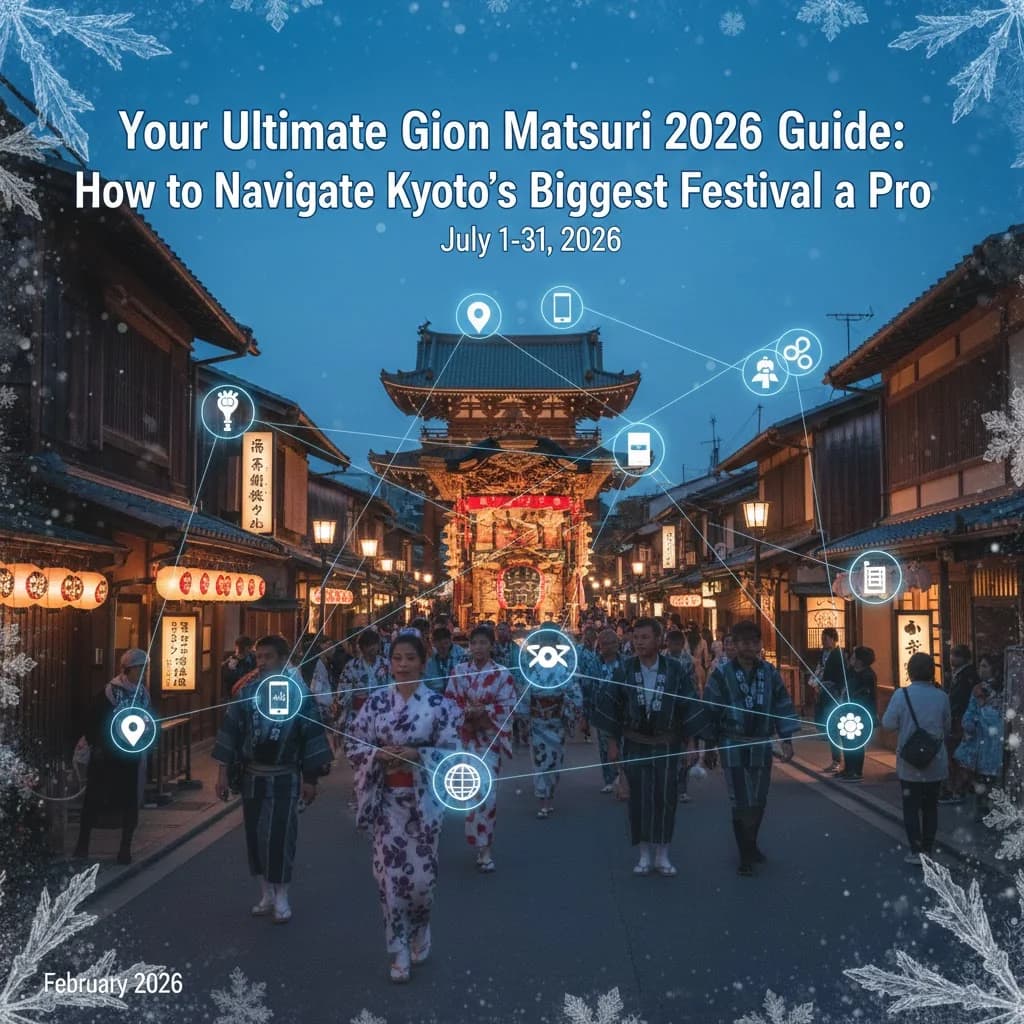
Picture this: You are standing on a crowded Kyoto street in the thick, humid air of a July evening. The sound of traditional flutes and drums echoes between buildings, massive, lantern-lit floats tower over you, and the energy of a million people buzzes around you. This is Gion Matsuri, one of Japan's most spectacular and historically significant festivals. It is an unforgettable experience, but it can also be incredibly overwhelming. Navigating the crowds, the heat, and the complex schedule can turn a dream trip into a stressful ordeal without the right preparation.
This is not your average travel blog post; this is a practical, on-the-ground Gion Matsuri 2026 guide designed to help you handle the logistics so you can immerse yourself in the magic. Having reliable data is a huge piece of that puzzle, and understanding the best eSIM for international travel will be your secret weapon for a seamless experience throughout your time at Kyoto's most iconic summer celebration.
- Before You Go: Essential Gion Matsuri 2026 Planning
- Mastering Connectivity for Gion Matsuri: Your eSIM Advantage
- Navigating the Gion Matsuri 2026 Parades and Yoiyama Evenings
- Gion Matsuri Etiquette and Immersive Cultural Experiences
- Practicalities: Staying Hydrated, Fed, and Comfortable
- Beyond the Floats: Exploring Kyoto During the Festival Month
- Frequently Asked Questions
Japan eSIM Plans from $4.50
Connect instantly in Japan for Gion Matsuri 2026. Join 50,000+ travelers who connect effortlessly with Cellesim.
Get Your Japan eSIMBefore You Go: Essential Gion Matsuri 2026 Planning
Success at Gion Matsuri begins months before you ever step on a plane. Spontaneity is great for a quiet weekend, but for one of the biggest Kyoto summer festivals, planning is non-negotiable. With Gion Matsuri 2026 drawing ever closer, securing your arrangements now is paramount.
Book Accommodation Yesterday for Gion Matsuri 2026
This is not an exaggeration. Hotels in Kyoto for the month of July 2026, especially during the festival's peak dates (around July 14-17 and 21-24), get booked up a year in advance. If you are reading this now, book your accommodation immediately. Many seasoned travellers looking for Gion Matsuri 2025 dates would have booked their stays well in advance, setting a precedent for 2026. Look for places near the Karasuma or Shijo subway lines. This gives you walkable access to the main festival areas and an easy escape route when you need a break from the crowds. Staying slightly further out along a direct train line can save you money, but factor in travel time to your daily plans. Consider options in nearby Osaka if Kyoto is completely full, but remember to account for daily commute times, which can eat into your festival enjoyment. Early booking can save you significant amounts and guarantee a more comfortable base for your Gion Matsuri 2026 adventure in Japan.
Understand the Gion Matsuri Schedule 2026
Gion Matsuri is not a single-day event; it spans the entire month of July. Knowing the key dates helps you decide when to visit and what to prioritize. This detailed schedule for Gion Matsuri 2026 will be crucial for planning your visit to this magnificent Kyoto festival.
- Yoiyama (July 14-16, 2026): These are the evening street festivals leading up to the main parade. Major streets in central Kyoto, particularly around Shijo and Karasuma, are closed to traffic, filled with food stalls (yatai), and you can get up close to the stationary floats (yamaboko and hoko). The atmosphere is electric and incredibly crowded, offering a unique glimpse into traditional Japanese culture. These evenings are perfect for soaking in the local ambiance before the main event of Gion Matsuri 2026.
- Saki Matsuri Junko (July 17, 2026): The main event. This is the grand procession of the larger yamaboko floats. It is a spectacular sight but involves massive crowds and requires staking out a viewing spot early. The floats are meticulously decorated with textiles and tapestries, some dating back centuries, making this a true moving museum. Witnessing the massive floats being turned at intersections (tsujimawashi) by teams of men using bamboo poles is a breathtaking highlight of the Gion Matsuri.
- Ato Matsuri Junko (July 24, 2026): The 'later festival' parade. It features smaller floats and follows a similar route but is significantly less crowded. If you want the parade experience without the intense crush of people, this is your day. The atmosphere is more relaxed, allowing for easier movement and photography. This part of the Gion Matsuri also includes the Hanagasa Junko, a vibrant procession of people in traditional attire, often accompanied by geiko and maiko.
Mastering Connectivity for Gion Matsuri: Your eSIM Advantage
Staying connected during a large-scale event like Gion Matsuri is not just a convenience; it is a necessity for navigation, communication, and sharing your experience. Traditional roaming can be costly, and finding a local SIM card in a foreign language can be time-consuming. This is where an eSIM becomes invaluable for your Gion Matsuri 2026 trip.
Why an eSIM is Essential for Festival Navigation
With an eSIM, you download a digital SIM profile directly to your phone. This means no physical SIM card swapping, no language barriers at local stores, and instant activation, often before you even land in Japan. During Gion Matsuri, crowds can be immense, and finding your way around the sprawling festival areas, locating specific floats, or meeting up with friends relies heavily on constant, reliable internet access. Google Maps, translation apps, and social media all function seamlessly with a Cellesim eSIM.
Network Coverage in Kyoto During Gion Matsuri
Japan boasts some of the world's most advanced mobile networks, with extensive 4G and growing 5G coverage, even in dense urban environments. Cellesim partners with leading local carriers like NTT Docomo and SoftBank to provide robust connectivity. You can expect reliable signal strength in central Kyoto, where the main festival activities take place. However, be aware that during peak parade times, with hundreds of thousands of people in a concentrated area, network congestion can sometimes occur, a challenge for any provider. An eSIM, however, ensures you are prioritized on the best available local networks.
How Much Data Will You Need for Gion Matsuri?
Estimating data usage for a festival can be tricky. Here is a general guide:
- Light User (1-3 GB for 7 days): Primarily for maps, occasional messaging (WhatsApp, Line), and light social media.
- Moderate User (5-10 GB for 7 days): Frequent navigation, regular photo/video sharing, video calls, streaming short clips.
- Heavy User (15+ GB for 7 days): Extensive social media, live streaming, frequent video calls, multiple device tethering.
Given the photo opportunities and the need for constant navigation, most Gion Matsuri attendees will fall into the moderate to heavy user categories. Consider a Cellesim plan that aligns with your anticipated usage. Use our Smart Data Calculator to estimate your needs.
Navigating the Gion Matsuri 2026 Parades and Yoiyama Evenings
With your connectivity sorted, focus on the festival itself. Gion Matsuri offers distinct experiences between its evening festivities and daytime parades.
Securing Your Spot for the Junko Parades
For the Saki Matsuri Junko (July 17), prime viewing spots along the parade route fill up extremely early. Many locals and seasoned tourists arrive by 6:00 AM or even earlier to claim a curbside location. Consider purchasing reserved seating, which offers a more comfortable and guaranteed view. These tickets typically go on sale a few months in advance through various local tourism platforms or convenience stores. The parade typically starts around 9:00 AM, so bring water, snacks, and something to sit on if you plan to arrive early. For the Ato Matsuri Junko (July 24), crowds are smaller, making it easier to find a good spot without such early arrival.
Experiencing the Yoiyama Evenings (July 14-16)
The Yoiyama evenings transform central Kyoto into a pedestrian-only street party. These nights offer a more interactive and intimate experience. Wander through the streets, admire the illuminated floats up close, and enjoy the festival food.
"The atmosphere during Yoiyama felt like stepping back in time, with the lanterns glowing and the sound of festival music filling the air. It's truly magical and unlike anything I've experienced." - A Gion Matsuri traveler.Be prepared for very slow movement through the dense crowds, especially on Shijo-dori and Karasuma-dori. Wear comfortable shoes and keep your valuables secure. This is also a fantastic time to try on a traditional yukata for an authentic cultural experience. Many shops offer rental services for the day or evening.
Find Your Japan eSIM Plan Today
Gion Matsuri Etiquette and Immersive Cultural Experiences
Respecting local customs enhances your experience and shows appreciation for the traditions of Gion Matsuri.
Observing the Floats (Yamaboko and Hoko)
The floats are works of art, some centuries old, decorated with precious textiles from around the world. While you can get close during Yoiyama, refrain from touching the floats unless invited to. During the parades, maintain respectful distance and avoid obstructing the path of the float pullers and musicians. Photography is generally allowed, but be mindful of blocking others' views.
"Byobu Matsuri" and Local Hospitality
During Yoiyama, some private residences in the old merchant districts (especially around Muromachi and Shinmachi streets) open their doors to display family heirlooms and folding screens (byobu). This unique tradition, known as "Byobu Matsuri," offers a rare glimpse into traditional Kyoto homes and hospitality. Look for houses with lanterns and signs indicating they are open to the public. Be polite, remove your shoes if requested, and enjoy these special cultural offerings.
Embracing the Festival Spirit
Japanese festivals are vibrant and communal. Do not be afraid to try street food from the yatai stalls, engage with local vendors, or simply soak in the joyous atmosphere. Learning a few basic Japanese phrases like "Konnichiwa" (hello), "Arigato gozaimasu" (thank you very much), and "Sumimasen" (excuse me/sorry) will go a long way.
Practicalities: Staying Hydrated, Fed, and Comfortable
Kyoto in July is intensely hot and humid. Prioritizing your comfort and health is key to enjoying Gion Matsuri.
Hydration is Non-Negotiable
Heatstroke is a real risk. Drink plenty of water throughout the day. Convenience stores are abundant, but consider carrying a refillable water bottle. Many public spaces and some shops offer water dispensers. Electrolyte drinks can also be beneficial. Take breaks in air-conditioned cafes or shops frequently to cool down.
Festival Food: A Culinary Adventure
The Yoiyama evenings are a feast for the senses, and that includes your taste buds. Expect a wide array of street food (yatai) from classic festival fare like yakisoba (fried noodles) and takoyaki (octopus balls) to more unique seasonal treats. Do not be afraid to explore. While delicious, street food can be rich, so balance it with lighter meals. Many restaurants will also be open, but popular ones may require reservations.
Packing Smart for Kyoto in July 2026
Kyoto in July is hot and humid. Think average temperatures of 32°C (90°F) with humidity that feels like you are walking through a sauna. Packing correctly is crucial for your comfort and sanity during the Gion Matsuri 2026 festivities. Being prepared will make a huge difference in your enjoyment of this Kyoto festival.
- Breathable Fabrics: Leave the polyester at home. Linen, loose-fitting cotton, and performance fabrics are your best friends. Many locals wear a yukata (a light summer kimono), and you can rent them for the day for an immersive experience, especially during the Yoiyama evenings. These light garments help in managing the summer heat.
- Comfortable Footwear: You will be doing a lot of walking and standing on crowded streets. Cushioned sandals or breathable sneakers are essential.
- Sun Protection: A wide-brimmed hat, sunglasses, and high-SPF sunscreen are vital. Consider a parasol, which is commonly used by locals for sun protection.
- Portable Fan and Towel: Many Japanese people carry small, battery-operated fans and small towels (often called "handkerchief towels") to dab away sweat. These are highly recommended.
- Small Backpack/Day Bag: Keep essentials like water, snacks, sunscreen, and your portable fan handy. Ensure it is not too bulky to navigate crowds.
Beyond the Floats: Exploring Kyoto During the Festival Month
While Gion Matsuri is the highlight, Kyoto offers countless other attractions. Plan your days to balance festival activities with exploring the city's rich history and serene beauty.
Gardens and Temples for Respite
Escape the crowds and heat by visiting Kyoto's numerous temples and gardens. Early mornings are best for places like Kinkaku-ji (Golden Pavilion), Fushimi Inari-taisha, or Arashiyama Bamboo Grove before the tourist rush. These serene locations offer a peaceful contrast to the bustling festival and are well worth the effort. Check official opening hours before your visit.
Day Trips from Kyoto
If you need a break from the festival intensity, consider a day trip. Nara, home to friendly deer and magnificent temples like Todai-ji, is just a short train ride away. Osaka offers a vibrant culinary scene and different urban energy. Both are easily accessible by Japan's efficient rail system. Learn more about navigating Japan by train for seamless travel.
Ready for Seamless Connectivity at Gion Matsuri 2026?
Connect instantly with a Cellesim Japan eSIM. Join 50,000+ travelers in 200+ countries.
Start Your Connected JourneyTrusted by travelers worldwide. 24/7 Email Support: [email protected]
Frequently Asked Questions
When is Gion Matsuri 2026?
Gion Matsuri spans the entire month of July 2026. The main highlight events are the Yoiyama evenings (July 14-16) and the Saki Matsuri Junko parade (July 17). The Ato Matsuri Junko parade takes place on July 24.
How do I stay connected during Gion Matsuri 2026?
An eSIM is the most convenient way to stay connected. Cellesim offers Japan eSIM plans that provide instant data connectivity without needing a physical SIM card. This is ideal for navigating crowds and staying in touch.
Is Gion Matsuri very crowded?
Yes, Gion Matsuri, especially during the Yoiyama evenings and the Saki Matsuri Junko on July 17, attracts hundreds of thousands of visitors. Be prepared for dense crowds, particularly in central Kyoto around Shijo and Karasuma streets.
Do I need to book accommodation far in advance for Gion Matsuri?
Absolutely. Accommodation in Kyoto for July, especially during the festival's peak dates, sells out many months in advance. It is highly recommended to book your hotel or other lodging at least six to twelve months prior to your trip.
What should I pack for Gion Matsuri in July?
Pack light, breathable clothing (cotton, linen), comfortable walking shoes, sun protection (hat, sunglasses, sunscreen), and consider a portable fan and a small towel due to the intense summer heat and humidity in Kyoto.